The Displaced Nation

A home for international creatives

Tag Archives: USA

TCK TALENT: Gene Bell-Villada, literary critic, Latin Americanist, novelist, translator and TCK memoirist

Gene B-V TCK Talent

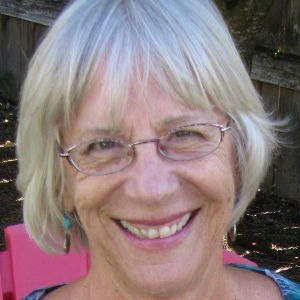
Professor Gene Bell-Villada (own photo)

Elizabeth (Lisa) Liang is here with her first column of 2015. For those who haven’t been following: she is building up quite a collection of stories about Adult Third Culture Kids (ATCKs) who work in creative fields. Lisa herself is a prime example. A Guatemalan-American of Chinese-Spanish-Irish-French-German-English descent, she has developed her own one-woman show about growing up as a TCK, which is receiving rave reviews wherever it goes.

—ML Awanohara

Happy New Year, readers! Today I’m honored to be interviewing Gene Bell-Villada, author of the Third Culture Kid memoir Overseas American: Growing Up Gringo in the Tropics and co-editor of my first published essay in the TCK/global-nomad anthology: Writing Out of Limbo. Gene grew up in Latin America and “repatriated” to the USA for college and beyond; he is a Professor of Romance Languages (Spanish), Latin American Literature, and Modernism at Williams College in Williamstown, Massachusetts. He is also a published writer of fiction and nonfiction.

* * *

Welcome to The Displaced Nation, Gene. Like me, you’re an Adult Third Culture Kid of mixed heritage. Since you were born in Haiti and grew up in Puerto Rico, Cuba, and Venezuela as the son of an Asian-Polynesian mother from Hawaii and a WASP father from Kansas, your identity development was complex and nuanced, as you make clear in your memoir.  Can you tell us how you identify yourself these days?
Like the title of my memoir, I identify myself as an Overseas American, of mixed WASP and Chinese-Filipino-Hawaiian ethnicity, with a Caribbean-Hispanic upbringing. I wrote my memoir in great measure to disentangle and explain that background—for myself and others! More broadly, in my middle 20s, it dawned on me that, by default, I happened to be a cosmopolitan, and that I couldn’t feel “local” even if I wished to. And so, I set out to make the best of that cosmopolitanism and build on it.

OverseasAmerican_cover

Tell us two things you miss about each of your childhood countries.
From my three childhood countries, I miss mostly the Latin informality and warmth…and salsa dancing! From Puerto Rico, I’ve fond memories of the University campus that was next door to my first home in Río Piedras, and where my mother would take us for walks. From Cuba I miss the richness of the music and folk culture. About Caracas, 3,000 feet above sea level, I remember its mild climate and “eternal spring.”

“Puerto Ricans do a lot of hugging, Dickie reflected. His parents and relatives almost never did.”

Your TCK childhood had extra upheaval due to your parents’ divorce and your two years at a military school in Cuba while your parents each lived in other countries. I imagine that affected your feelings about where you lived.
I must admit, I don’t “miss” most of what I lived in my 17 years in the Spanish Caribbean. I had a very difficult childhood, in which I never really “belonged” to any of those countries, had little contact with the expat community, and was leading a painful, dysfunctional family life. Since my brother and I were put away in a military school in Cuba, it’s not a place that I would “miss.” The circumstances of my upbringing have made childhood nostalgia an elusive sentiment for me.

After a young adulthood in New Mexico (briefly), Arizona, California, Massachusetts, and New York—and some trips to Europe—you settled in Williamstown, MA.  When did you come to feel that it was home, inasmuch as any place can be for an ATCK?
My wife and I actually have had homes in two locations in Massachusetts: Williamstown and Cambridge. So we lived both in the city, where we had our home life, and the country, where I taught. And I guess I realized sometime in the 1970s that New England had become my home. The place had enough cultural density, layered history, and overall cosmopolitanism for me to feel at ease in those parts. (I’d also earned my Ph.D at Harvard.) I even turned down a job offer from UCLA in 1976 because by then I felt attached enough to Massachusetts to stay there. Plus, I didn’t look forward to living in my car on the LA freeways, or putting up with Los Angeles pollution, which was fairly serious back then!

“‘Ah, but you speak such good Spanish…'”

Have you returned to any of the Latin American countries in which you grew up? 
I’ve been back to Puerto Rico and to Venezuela, always experiencing those mixed feelings. When I visited my old neighborhood in Hato Rey, PR, in 2012, I found it largely changed. Moreover, during a previous visit to San Juan in 1985, I went for a stroll at the University grounds. At the sight of the palm trees at the entrance and the tower looming above it all, I fell to the ground, crying. It was a reminder that much of my youth there, when I’d believed that I was an “American” boy in the tropics, had been illusory.

As for Cuba, I could only go back under very specific conditions—not because of the regime, which I’m not against, but owing to my painful personal memories of the place. I worry that seeing certain streets and buildings might elicit a wrenching sadness in me.

Since you’re a professor of Latin American literature and have written about the heavyweights in the field, I presume you’ve also visited quite a few countries in the region at this point. What were your impressions?
Inasmuch as I’ve written books and articles about Borges, García Márquez, Vargas Llosa, and Mexican literature, I’ve been more than once to Argentina, Colombia, Perú, and Mexico. Going to and traveling in those countries brought insight into their literary works that one cannot get simply from reading them in one’s study. On the other hand, my Latin American and Caribbean background proved enormously helpful in accessing the culture and the society of those places. Indeed, García Márquez’s world is the Caribbean coast of Colombia; exploring that area in 1982 and 1988 was a lot like being back in San Juan and Havana! Writing about it was fun, a bit like a return to my childhood, without the pain.

“She was from New York. Didn’t people from New York listen to classical music?”

Although you have always had a passion for classical and Latin music, you ultimately found ways to express yourself through writing fiction and nonfiction. Does music still play a big role in your life? 
Music is my first love. If I hadn’t had a late start at the piano (a fact that unfortunately set me back several years), I might have stayed with it. I turned to literature, in some measure, because it didn’t require advanced hand-muscle skills! But once I got involved with the written word, I strived to make my prose style as artistic, expressive, and fun as music can be, and I worked to give it rhythm and melody. (Someone has remarked that I write like a musician.) I still play piano, though.

Is there a particular work that you are most proud of having written, and if so, why?
I feel equally attached to all of them! Each one has had its role in my life. My books on Borges and García Márquez (which have sold well and gone through second editions) are used in AP courses, and are consulted by general readers, here and abroad. From early on, I had set out to be a “cultural mediator” between Latin American literature and U.S. readers, and those volumes serve that purpose.

My book Art for Art’s Sake and Literary Life, on the other hand, grew out of my cosmopolitanism and my desire to deal with the uses of art as both escape and expression. (In some subliminal way, it’s autobiographical.) The volume covers the phenomenon of aestheticism in Europe, the U.S., and Latin America. I felt vindicated when the thing was a finalist for the 1997 National Book Critics Circle Award (there I was, sharing space with Cynthia Ozick and William H. Gass). It also got translated into Serbian and Chinese! When I asked my two translators just what had drawn them to the book, they both replied that what I’d said about Latin American aestheticism was also applicable to analogous 19th-century movements in Serbia and Taiwan. So my cosmopolitanism had shed light on some corners elsewhere in this world.

My two books of fiction focus in part on TCK issues, plus such cultural-specific matters as American relativism or the seductive influence of Ayn Rand.

But I finally turned to memoir because I felt it was the way to confront head-on the question of my crazy, mixed-up background, to make sense out of it all and give it a living shape. The process of remembering that past, and crafting it and getting it out there, has proved enormously therapeutic. It also led to my meeting Nina Sichel and, then, you, Lisa, via our essay collection, Writing Out Of Limbo!

My latest volume is a kind of experiment, starting with its very title: On Nabokov, Ayn Rand and the Libertarian Mind: What the Russian-American Odd Pair Can Tell Us about Some Values, Myths and Manias Widely Held Most Dear. Besides dissecting the two authors, I tease out my troubled relationship to them, delve once again into my own life history, and finally move on to the larger problem of a rising, spreading libertarianism in this country. There’s even an Appendix in which I throw in a number of spoofs of my own of hard-line libertarians! (I’ve been playing with satires of something or other ever since I was in middle school in Puerto Rico…)
on-nabokov-ayn-rand-and-the-libertarian-mind_cover

You’re a true international creative, with works that run the entire gamut! Tell us, what’s next? Fiction? Nonfiction? Something else?
I have stuff in the works, but am in the process of rethinking my projects in the wake of my wife’s death in 2013. (Widowerhood does things to your mind and spirit, alas.)

Where can people find your works?
All my books are available from Amazon and local bookstores, as well as from any good library!

Thank you, Gene, for sharing your wonderfully inspiring story with the Displaced Nation. So, readers, any questions or comments for Gene? Be sure to leave them in the comments!

Editor’s note: All subheadings are taken from Gene’s book The Pianist Who Liked Ayn Rand: A Novella & 13 Stories.

STAY TUNED for our next fab post.

If you enjoyed this post, we invite you to register for The Displaced Dispatch, a round up of weekly posts from The Displaced Nation, with seasonal recipes, book giveaways and other extras. Register for The Displaced Dispatch by clicking here!

Related posts:

LOCATION, LOCUTION: Author and part-time expat Susan Jane Gilman, who plunders her life for memoir and fiction

JJ Marsh Susan Jane GilmanWe welcome JJ Marsh back to the Displaced Nation for her first “location, locution” column of the new year, in which she talks to current authors about their methods for portraying place in their works.

My guest this month is the precocious and prolific Susan Jane Gilman. She is the author of three acclaimed nonfiction works:

  1. A travel memoir, Undress Me in the Temple of Heaven
  2. A memoir of her upbringing in New York City Hypocrite in a Pouffy White Dress, and
  3. An advice book, Kiss My Tiara.

And now she has a novel, a work of historical fiction called The Ice Cream Queen of Orchard Street, which came out in February of last year.

Gilman has also contributed to numerous anthologies, worked as journalist, and written for many well-known publications including the New York Times, Los Angeles Times, Real Simple, and Us magazine. And she claims to have opened the Susan Jane Gilman Institute for Advanced Gelato Studies here in Geneva.

Oh, did I mention she is an expat?

Though made, born, and raised in New York City, and educated at Brown University and the University of Michigan (MFA in Creative Writing), Gilman currently divides her time between Switzerland and the United States.

Perhaps she developed her wanderlust through exposure to her high school English teacher (she went to Stuyvesant), the Pulitzer Prize-winning Irish-American memoirist Frank McCourt. In any event, she holds him accountable for her decision to become a writer.

Now let’s find out how Gilman perceives the connection between location and locution.

* * *

Which comes first, story or location?
Before I sit down to write, I need a sense of narrative, of a who-what-where, but so often, story and location are intertwined. Undress Me in the Temple of Heaven, for example, is the true story of a disastrous backpacking trip I made through the People’s Republic of China in 1986. To separate the story from the place is simply impossible; so much of what made the trip horrific was the poverty and totalitarianism of China itself; I can’t imagine that my travel companion and I would have disintegrated in the same way at, say, the Canyon Ranch Spa or a luxury resort in the Maldives. Similarly, my novel, The Ice Cream Queen of Orchard Street, is a rags-to-riches-to-indictment story that begins with a child immigrating to the USA in 1913. New York City was simply the logical place to have it begin. It is not only my hometown but, of course, the great immigrant gateway to America.

location locution gilman

Lower East Side New York City @1910, credited to the Brown Brothers [Public domain], via Wikimedia Commons; cover art.

What’s your technique for evoking the atmosphere of a place?
First, I usually describe vivid, visual details so that readers can see a place in their mind’s eye. Then I go for are the smells. Smell is the most evocative of all the senses. It brings a place to life more potently than anything else. Add sounds, and there you are. I’m afraid I’m sounding glib in the way that I’m saying this—”use all the senses”—it sounds easy, and it sounds like a recipe. But it’s not. I really struggle and strive to conjure a place, be it a roadside restaurant, a German city, an abandoned tenement, using incisive, significant details. I’m always on “cliche alert.”

Which particular features create a sense of location? Landscape, culture, food?
Background noises, cooking smells, shadow and light, voices, architecture…there are no given particulars. I try to find what is most unique and evocative and go with it.

How well do you need to know the place before using it as a setting?
Saul Bellow wrote a whole novel set in Africa, apparently without having set foot once on the continent. I find this presumptuous. That said, I have written about places that I’ve only been in briefly, or glimpsed, or created out as a composites of other places I’ve been. But I like to have a feel for a place; I need to be able imagine it throughly, to exist in it. Often, if a character needs to be in a place that I’ve never been to, I research it as much as possible. The Internet is a godsend; I find old photographs or use Google Earth. I try to travel there in whatever way I can.

Can you give a brief example of your work which illustrates place?
I don’t have any of my books in front of me because I’m on the road, but read the very first paragraph of The Ice Cream Queen of Orchard Street and you’ll immediately find yourself on the Lower East Side of Manhattan in 1913. Read the first page of Undress Me in the Temple of Heaven and you’re on board a plane plummeting into Hong Kong; the next six pages take you right into downtown Kowloon at night, with all its lurid traffic, neon, and squalor. I’ve been told by readers that these sections have utterly transported them…

Gilman Kowloon Undress_medium

“Typical street scene in downtown Kowloon,” by VasenkaPhotography via Flickr (CC BY 2.0); cover art.

Which writers do you admire for the way they use location?
I love the way Richard Ford conjures up the American West, John Cheever the Connecticut suburbs, Junot Díaz the Dominican community in New York City and Dominica. That said, I usually don’t admire writers so much as specific books, eg:

And, in a different way, I have always admired Anne Tyler for the way she conjures up so well these cosy, fraught, detailed middle class American households. She is stunning in her ability to make you see rooms, houses, offices—small, intimate tableaux—in such a rich way.

Locations need not be exotic or epic, just alive and relevant.

* * *

Readers, if this interview has piqued your curiosity about Susan Jane Gilman and her writings, I encourage you to visit her author site. You can also follow her on Twitter.

JJ Marsh grew up in Wales, Africa and the Middle East, where her curiosity for culture took root and triggered an urge to write. After living in Hong Kong, Nigeria, Dubai, Portugal and France, JJ finally settled in Switzerland, where she is currently halfway through her European crime series, set in compelling locations all over the continent and featuring detective inspector Beatrice Stubbs.

STAY TUNED for next week’s fab posts!

If you enjoyed this post, we invite you to register for The Displaced Dispatch, a round up of weekly posts from The Displaced Nation, with seasonal recipes, book giveaways and other extras. Register for The Displaced Dispatch by clicking here!

Related posts:

The Displaced Nation responds to France’s 9/11

Solidarity with Solidarite

SOLIDARITE, by Patrick Janicek via Flickr (CC BY 2.0).

Time and again, the Displaced Nation has featured the works of displaced creatives who have been captivated by Paris, a city that has been beloved of expats for longer than anyone can remember. For today’s post, a few of us offer some responses to the terrorist attacks that beset the city last week. Our thoughts are with those expats who remain in the city as it attempts to move forward in the wake of disruption and tragedy, what some have labeled France’s 9/11. We express solidarity with your solidarité.

—ML Awanohara

ML_for_blogML AWANOHARA, Displaced Nation founding writer/editor: My first two experiences with terrorism occurred when I was living abroad: first in Britain, where I always felt the threat of an IRA attack when traveling into central London for my studies; and then in Japan: I was living just up the street from one of the subways that Aum Shinrikyo attacked with sarin gas.

Then, not long after I repatriated and moved to New York City, 9/11 occurred: a spectacle almost beyond belief. I still remember the gamut of emotions I felt in the weeks and months that followed, everything from practical considerations (should I take the bus since a rumor is flying about another attack on the subway today?) to large questions: why do they hate us so much?

Although in each of these cases the terrorists were tied to religion (even Aum Shinrikyo espoused a “new religion”), when I first heard about the Parisian attacks, I felt that something different was taking place. It sounds grand to call it a clash of civilizations, but that’s been my impression, this time around.

I spent my formative years in Britain, you see, where I learned to appreciate irreverent humor, so much so that I’ve had a tough time adjusting back to life back here in the U.S., where people take themselves a lot more seriously. Though I don’t think I’m Charlie (I draw the line at the kind of irreverence that magazine was up to), I do feel that artists should be free to explore the boundaries…

In fact, isn’t that what the Displaced Nation is about? My fellow founders, Kate Allison and Anthony Windram, and I conceived of this site as a space where one could be irreverent about the expat life (within certain limits, of course—and we occasionally argued about that). Humo(u)r and sending things up has been our stock-in-trade.

On that note, and in the spirit of artistic freedom, allow me to offer one final thought. In the days after the terrorists struck, I have also been thinking that, in a strange kind of way, I’m not unlike the perpetrators. I went abroad to be exposed to new ideas and in some sense I became “radicalized”—emerging from my European experience as more secular, more aware of the world, and with more of a social conscience than I’d developed while growing up in America.

That’s where the comparison ends, of course. Having a European, secular mindset means I’m much more afraid of my fellow Americans waging war on me with their fundamentalist beliefs, Biblical literalism and guns than the other way around. No doubt that’s why I now live in New York City—though ironically, this location makes me more vulnerable to terrorists with an axe to grind against this country.

I look to the Displaced Nation as a source of community while also knowing it cannot guarantee my safety. No nation can do that, not even one built in cyberspace. (I’m thinking of the Sony hackers.)

Rita GardnerRITA GARDNER, Adult Third Culture Kid, memoirist, and interviewee for the Displaced Nation’s “A Picture Says…” column: I am outraged and scared that the acts of a small group of radicals just shook the world. It’s not just Paris that is reeling from this blow. The number of lives affected spiral out widely beyond those who lost their lives, crossing continents and oceans, the pain an ever-expanding circle. When I first heard about the Paris attacks, my first instinct was to go into denial – and pull into a cocoon of self-protection. Selfishly, I can turn off the TV and not see the horror. It’s happening “somewhere else”, not in my immediate world. I realize hiding is just a defense mechanism. I think that because expats have had the experience of living far from our “passport country”, none of us can cocoon into unconsciousness for long. We have been in that “somewhere else”—we know this attack could have happened to any of us, any place on the globe. And yet—we must live, we must manage somehow to reconcile the fact that evil and good exist within mankind. That’s the hardest idea to contemplate or absorb at this time. Maybe all we can do right now is attempt to be good ambassadors wherever we find ourselves, and add love to that ever-expanding spiral.

Cinda MacKinnon_300x300CINDA MACKINNON, ATCK, novelist, and subject of one of our writer interview features: I wanted to write something profound, but what words can you say about terrorists? It is shocking and senseless. No cause can justify terrorism, yet hardly a week goes without innocent people being slaughtered. There is a feeling that the real target in Paris is Western civilization and values (and some say freedom of speech). The French are united in their grief, and they joined us after 9/11 when the newspaper Le Monde wrote: “Nous sommes tous Américains.” In response I would like to say: “Nous sommes tous Françaises.

Joanna_Masters_Maggs_300 x 300JOANNA MASTERS-MAGGS, Displaced Nation (“Global Food Gossip”) columnist and expat in France: I talked to my children, who’ve spent six years on their young lives in Muslim countries, about what happened. As I explained in yesterday’s post, I’m never shocked by terrorism as I knew it existed at an early age. When the attacks in Paris happened and my kids asked about it, I didn’t sugar the pill for them. I told them I didn’t have the definitive answer. I don’t know why people do this sort of thing. I can’t imagine caring that much about anything. I think I would shoot someone who hurt my kids, but for an idea, a belief? I told them not to get so uptight about things themselves and never say something as embarrassing as “Well, I’ve never been so insulted in all my life”. Get over yourself. The victims in last week’s attacks died for nothing. It was a waste of life. That’s what I tell them. Because someone had a gun and a shaky ego. That’s the truth. That’s what terrorism is.

While I was talking to my kids, I was thinking about the historian Niall Fergusson’s book on WWI. He says the war went on as long as it did for many reasons, not least that young men are turned on by danger. “Going over the top” gives them a massive adrenaline charge, which becomes addictive, and they can’t really believe “it” will happen to them. When I read this, it was a light bulb moment. I suddenly understood why the working-class boys I witnessed in Belfast growing up (I’m half Irish) turned to paramilitary groups: it gave them a sense of power and authority and purpose. There appears to be a limitless supply of such young men. The current situation in Syria makes me think of all the young British idealists who went to Spain to fight in the Civil War. Sometimes I wonder if National Service might actually fill the need for thrills in a safer way? My father for example did two years in Northern Ireland in the Intelligence Corps, and my father-in-law spent his youth in the Malaysian jungle during the insurgency. Aren’t we all turned on at times, by the gun-toting hard guy? Hollywood thrives on it!

* * *

Readers, do you have anything to add, or any comments on these heart-felt responses? We’d love to hear from you!

STAY TUNED for tomorrow’s Location, Locution post!

If you enjoyed this post, we invite you to register for The Displaced Dispatch, a round up of weekly posts from The Displaced Nation, with Alice nominees, exclusive book giveaways and other extras. Register for The Displaced Dispatch by clicking here!

Related posts:

And the December 2014 Alices go to … these 4 international creatives

 © Iamezan | Dreamstime.com Used under license

© Iamezan | Dreamstime.com
Used under license

If you are a subscriber to our weekly newsletter, the Displaced Dispatch, you’re already in the know. But if you’re not, listen up. (Hey, why aren’t you? Off with your head!)

Every week, when that esteemed publication comes out, we present contenders for a monthly “Alice Award,” most of whom are writers or other kinds of international creatives who appear to have a special handle on the curious and unreal aspects of being a global resident or voyager.

Not only that, but this person tries to use this state of befuddlement as a spur to greater creative heights.

Today’s post hono(u)rs our four Alice recipients for December 2014. Listed in order of most to least recent, they are (drumroll…):

1) Lani Cox, half-Thai expat in Chiangmai, Thailand

For her comment on a post: “Dealing with Loneliness Abroad (and at home),” by Mary, former expat in Japan and blogger at The Ruby Ronin. (NOTE: Lani’s own blog is Life, the Universe and Lani.)
Posted on: 9 December 2014

2) Amanda Mouttaki, American expat in Morocco and blogger

For her post: The NOT-SO-NICE Side of Expat Life to her blog, MarocMama
Posted on: 25 November 2014

Alice Connection:
Pool of Tears Quote

LANI: “When I first moved to Thailand, … I was deeply confused over what I was expected to do and where I was supposed to go and basically get the help that I needed for my visa. So, I spent the day crying into my pillow! It didn’t help that we lived by this horrible electrical monster thingy and had squatters outside our window.”

AMANDA: “I cried. And cried. And cried. Over nothing specifically…”

Citation: Lani and Amanda, is it any wonder we have associated your writings with Alice in Wonderland’s “pool of tears” moment? Let us begin by saying how much we admire you both for overcoming the feeling of shame that comes with realizing, and admitting to others, that even “great girls” cry.

Lani, it seems that you blamed yourself, thinking that Thailand shouldn’t have confused you so much since you were raised in the United States by a Thai mother (she’d married an American soldier she’d met during the Vietnam War). But that of course is silly, especially as she didn’t teach you any Thai language (knowing some Thai would have helped with getting your visa sorted). On the other hand, maybe it’s good she didn’t teach you the language, you might have been further disappointed. (We speak from experience, having been Brits in the US or Yanks in the UK.)

Amanda, you say you didn’t want your readers to think you were complaining, especially when so many of them find your story romantic—and it is romantic, meeting and falling in love in fairy-tale fashion on the streets of Marrakesh. In any event, becoming catatonic over nothing specific sounds perfectly normal to us. We’re just glad MarocBaba was there to give you a hug—more than Alice could count on!

3) Kevin Lynch, American expat in Hong Kong

For his interview: “My Airbnb year in Hong Kong: ‘Big fat American’ discovers hidden sides to the city”, by Vanessa Yung, in the South China Morning Post
Posted on: 5 December 2014
Big Alice Quote

“Part of it is I’m a big fat American, which makes things even smaller. It’s just such a different scale of living. Just when I’m used to it—I don’t even take pictures of most of the small things any more—and then something will surprise me.”

Citation: Hats off to you, Kevin—even the Mad Hatter is removing his—for deciding to forgo Western digs to stay in Airbnb accommodation during your first 14 months in Hong Kong, a city that is challenged for space and known for its cramped accommodations. Recall that Alice, who isn’t fat, found the White Rabbit’s house a bit of an uncomfortable fit. You are right, of course: serviced apartments for expats don’t afford many opportunities to meet the natives even if they do have taller ceilings, longer beds, fatter sofas, and proper cutlery. Kudos to you for learning how to tilt your head when standing up in the low-ceilinged rooms and to sleep “in the fetal position” when beds are too short. You had the kind of Hong Kong experience not usually available to the generous of flesh.

4) Amanda van Mulligen, British expat in Holland, blogger, and one of the contributors to the new book Dutched Up! Rocking the Clogs Expat Style

For her post: “My Love Hate Relationship with Sinterklaas” to her personal blog, Expat Life with a Double Buggy
Posted on: 4 December 2014
Mock Tortoise SongAlice Connection:

“Now, I’m all for a good sing song. I’ll croon away with the best of them. But Sinterklaas songs get tedious sang at the top of a child’s voice for weeks on end.”

Citation: Amanda, surely a song repeatedly begging Sinterklaas to leave something nice in one’s shoe or boot is preferable to a song about green soup, such as the Mock Turtle sings to Alice? That’s after she had to withstand the Lobster Quadrille, with repeated refrains of:

Will you come and join the dance?
So, will you, won’t you, won’t you,
Will you, won’t you join the dance?
Will you, won’t you, will you,
Won’t you, won’t you join the dance?

But we do appreciate your attempt to convey the strange, Wonderland-like experience of raising children in a country other than the one in which you grew up. And we grant that you’re not as lucky as Alice, who was saved from having to hear the soup song in its entirety by the announcement of the trial, whereas for you the Sinterklaas din carries on until May! Sinterklaas bloody kapoentje indeed.

*  *  *

So, readers, do you have a favorite from the above, or have you read any recent posts you think deserve an Alice Award? We’d love to hear your suggestions! And don’t miss out on the shortlist of Alice contenders we provide in each week’s Dispatch, which are sources of creative thought if nothing else! Get on our subscription list now!

STAY TUNED for more fab posts.

Writers and other international creatives: If you want to know in advance the contenders for our monthly Alice Award winners, sign up to receive The Displaced Dispatch, a round up of weekly posts from The Displaced Nation, with news of book giveaways, future posts, and of course, our weekly Alice Award!. Register for The Displaced Dispatch by clicking here!

Related posts:

DIARY OF AN EXPAT WRITER: Will she, or won’t she, on Christmas Day? (We’re taking bets!)

diaryexpatwriter_christmas2014This past summer Shannon Young took the decision to quit her day job to become a full-time writer in Hong Kong, where she lives with her half-Chinese husband. As regular readers of the Displaced Nation will know, she has kindly agreed to chronicle this experience on our behalf.* Her December diary entry appears on Christmas Day for a reason—read on!

—ML Awanohara

Dear Displaced Diary,

This is my fourth update on my new life as an expat writer in Hong Kong. As I type this, I’m sitting in the Hong Kong International Airport waiting for my flight home to Arizona for the holidays. My plane is a little late, giving me time to reflect on the past four months.

I’ve written a lot about the bigger milestones I’ve reached this fall. They include the release of two books, one traditionally published and one self-published, speaking at a literary festival, and signing an audiobook deal.

These moments have been amazing, but right now I really want to talk about the work-a-day process of being a writer. I’ve finally settled into a routine, and that’s the part of this whole adventure that I love the most. Here’s what a day in the life of this expat writer is like:

Morning

I get up when my husband leaves for work around 9:15 am. I go straight to my computer to check my email, sales ranking (this is a bad habit), and Facebook.

At some point, I grab some breakfast (usually yogurt) and make a cup of tea. Over breakfast, I catch up on my favorite publishing blogs, read the news, and take care of any miscellaneous internet and email tasks.

Next I either take a shower or go to the gym (where I listen to audiobooks on the treadmill). I’m ready to work by 11 am or 12:30 pm.

I walk to a coffee shop, usually the Starbucks near me that has a tall table where I don’t have to hunch over my laptop. I typically write for three or four hours at a stretch. I only do more if I’m really on a roll. I’ve found that any more than four hours of actual writing time becomes counterproductive.

Late afternoon

When I hit a good stopping place I head home to make a late lunch or take a detour somewhere to eat and read. Those stopping places are often when I’ve been working at a tough problem like a segment of dialogue that doesn’t sound right and I don’t feel like I’m making any progress. Rather than continuing to chew at it, it helps to leave it and think about the problem throughout the rest of the day. Often I’ve come up with a way to tackle the issue by the next writing session.

After lunch I take care of more miscellaneous tasks like writing blog posts, answering emails, and doing research. I find that even if I’ve exhausted my writing energy for my book-in-progress, I can still blog and work on other things. The change of pace and change of location help me to continue being productive past the four-hour mark.

Evening

I usually work straight through until my husband gets home. Sometimes I stop to read, but I think that counts as work these days. I read widely, staying caught up on my genres while seeking inspiration from other types of literature. I read writing craft and publishing business books too, but not too often. I find it’s generally more productive to practice than to read about how to do things.

I don’t write in the evenings, except on Tuesdays when a regular group of writers gathers at a local coffee shop for two or three hours to work side-by-side on our own projects. I make a point of only going to that particular coffee shop on Tuesdays, and the habit helps me to be productive even if I’ve already been writing for a few hours earlier in the day.

My daily rituals

I’ve been reading a book lately called Daily Rituals: How Artists Work. It’s a collection of short descriptions of the work habits of famous writers, artists, and composers by Mason Currey. I’m reading a few entries at a time, and it’s amazing how similar the habits of the artists are. Like me, they work for a solid chunk of time (often three to four hours) and then devote the remainder of the day to correspondence and other tasks. Over a lifetime, they produce an incredible amount of work like this.

One theme I’ve noticed is that very few of the writers profiled actually waste time waiting for “the muse.” They just sit down and do the work. They recognize that although inspiration is helpful, you can’t sit around waiting for it. At the end of the day, you still have to put in the hours.

Looking to tomorrow…

For now, I’m putting in the hours and getting the work done. The jury is still out on whether this new path will be sustainable. I’m bringing in a bit of money and selling a few books, but I’m not there yet. I know it’ll take more books and more satisfied readers recommending my work to their friends before I can call this experiment a success. For now, I am happy with the process. I have my routine. I might even keep working over the holidays just because I love it.

In On Writing, his singular meditation on the writing life, Stephen King writes about how he used to tell interviewers that he wrote everyday except for Christmas Day. In the book, he says that was a lie. He even writes on Christmas. Perhaps I’ll do the same.

Well, my plane is boarding now. Thank you for all the encouraging comments over the past four months. I’ll keep you updated on my writing adventures in the New Year.

Happy holidays!

Yours,

Shannon Young

shannonyoungwriter.com

* * *

Readers, it’s time to place your bets. Here’s the question:
Will she or won't she

*Shannon Young has edited an anthology, How Does One Dress to Buy Dragonfruit? True Stories of Expat Women in Asia (2014), from which she is sharing some excerpts. We’re calling them “chunks” of dragonfruit—as they taste so delicious! Be sure to sample a few, if you haven’t already…

STAY TUNED for next week’s fab posts!

If you enjoyed this post, we invite you to register for The Displaced Dispatch, a round up of weekly posts from The Displaced Nation, with snippets of worldly wisdom, exclusive book giveaways and our nominees for the monthly Alice Awards. Register for The Displaced Dispatch by clicking here!

Related posts:

LOCATION, LOCUTION: Anthony St. Clair, author of urban fantasies whose plots are globally sourced

JJ Marsh Anthony St Clair

Columnist JJ Marsh (left) talks to “rucksack” urban fantasy writer Anthony St Clair about how he translates his travels into works of fiction.

In this month’s Location, Locution, JJ Marsh talks to Anthony St. Clair, author of the Rucksack Universe books, a series of urban fantasy travel novels set in Hong Kong, India and Ireland. When he’s not concocting the kind of fiction that thrills, delights and bewilders in the spirit of Neil Gaiman, Terry Pratchett, Douglas Adams and Tom Robbins, St. Clair is making a living as a copywriter, blogger and editor. He loves writing about business and anything related to craft beer, homebrew, travel (he’s a self-described globe-trotter), food, and the Pacific Northwest.

Which comes first, story or location?
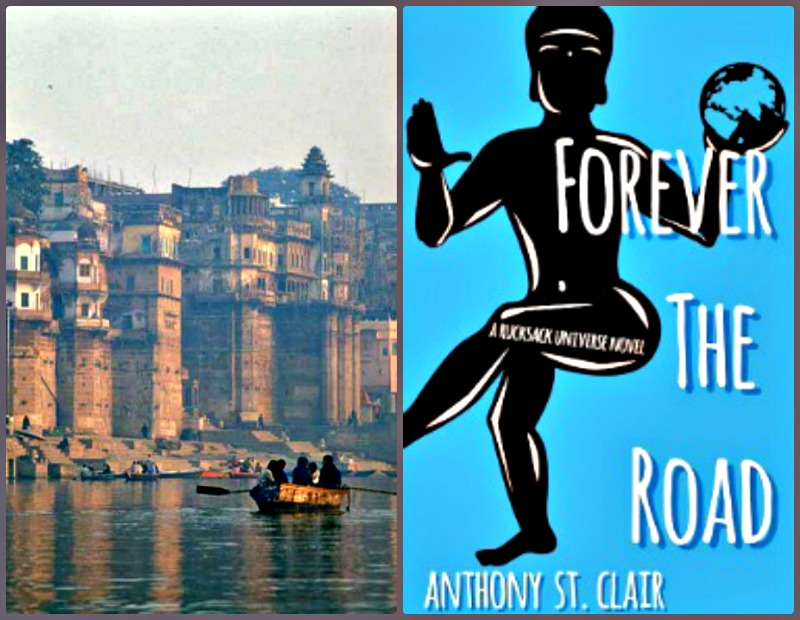
Location. My original idea for Forever the Road, the most recently published book in my Rucksack Universe series, came to me in 2003, when I spent two months traveling through India. As the story took shape, I created a fictional city and river, both called Agamuskara, which is Hindi for “smiling fire.” Both the river and the city are pivotal to the action of the story and what happens with the book’s various characters. But I don’t think I could have come up with either the story or the location without having also traveled through India, especially the city of Varanasi, the holy city on the banks of the Ganges, which Agamuskara is based on.

Photo credit: "Ganges River, Varanasi, Uttar Pradesh, India," by Babasteve via Flickr (CC BY 2.0).

Photo credit: “Ganges River, Varanasi, Uttar Pradesh, India,” by Babasteve via Flickr (CC BY 2.0); Forever the Road cover art.

What’s your technique for evoking the atmosphere of a place?
Have you ever noticed that when you go somewhere new, it’s like you notice everything and experience it more intensely? It’s like our guard comes down. We see, hear, smell, taste, and touch with an intensity and openness that we don’t usually bring to our day-to-day encounters with the world outside ourselves. I try to relate the atmosphere of a place by evoking all the senses. Is the place hot or cold? Crowded or sparse? What does it smell like? What does the food taste like? What are the colors? Sense helps us get to know a place, and evoking the senses works just as well in a book as it does in actual travel.

Which particular features create a sense of location? Landscape, culture, food?
All of the above. Landscape, culture, and food affect each other. What the land is like affects the food that can be available. Place shapes culture, because place drives so much of our experiences. Likewise, food has an influence on how culture connects and evolves. After all, how many of our most pivotal experiences have to do with a meal, or a particular moment in a new place, or by experiencing and trying to understand an aspect of a different culture?

Can you give a brief example of your work which illustrates place?
This excerpt is from Chapter 2 of Forever the Road, which was released September 8th in e-book, all formats, and trade paperback (more information here).

The rattling truck moved so fast that the world passed in a blur, but Jay marveled at all he saw. Countless people wore brilliant colors and smiled from weathered, driven faces. They defied the washed-out landscape and the humid mat of the air. Every village had been here before time was time, it seemed. Each village also brought a glimpse of temples and shrines, elephant-headed gods, bulls, monkeys, multi-limbed deities rendered in brick, stone, concrete, and reverence.

Approaching Agamuskara, Jay now understood that India was four things: heat, humans, history, and gods. They shaped India not so much into a country or a culture but a world. India was all of the world, all of time in every passing moment, and every emotion, every depravity and transcendence, every hope realized and every futility suffered, of all the human race.

And, gods, was India heat. Humid, blazing, sopping heat. India felt as if wet blankets had been baked for an hour in a pot of water, then, steaming and boiling, wrapped around the country. Even Jay’s sweat glands felt sluggish. The humidity jellied the will. It softened the wood of the few meager trees. Even the concrete blocks of houses and shacks seemed to sag, drip, and simmer in the midday, clear-sky blaze of sunlight.

The truck turned onto a highway, renown throughout northeastern India for being maintained. The road reminded Jay of the interstate highways of his left-long-ago home, except that as far as the traffic was concerned, the four lanes were simultaneously one lane, three lanes, twenty lanes, and no lanes. Still, the truck’s consistent speed and motion brought a soothing breeze to Jay’s skin, and the smooth road took him from a blazing sear to a nearly gentle simmer.

For once, Jay’s tenderized rump stayed in one merciful, bounceless spot. After a few kilometers, he relaxed like a roast chicken resting after coming out of the oven.

How well do you need to know the place before using it as a setting?
I want to visit a place before I write about it, and so far all my stories draw on places I’ve visited. Whether or not I’ve traveled there, I also use substantial research to try to understand a place as best I can, but there is no substitute for having been there. Nothing compares with eating the food, walking the quiet streets at dawn, observing the tiny everyday details that make a place its own.

Which writers do you admire for the way they use location?
I’ve spent many a time immersed in the works of Bill Bryson and Pico Iyer, and I try to bring their mix of place and experience into my own style. However, when it comes to using location in story, I admire Terry Pratchett the most. His long-running Discworld, a comic fantasy book series, is not only full of funny, richly told fantasy stories, but he clearly works hard to weave the setting into the story. Whether a book is set in a city or the mountains, it is always clear that a sense of place is key to the characters and events unfolding in the book. I try to evoke a similar connection in my own work. There’s an old saying that character is destiny, but I would add that place shapes character.

Thank you, Anthony! That was fascinating. Readers, if this interview has piqued your curiosity about Anthony and his writings, I encourage you to visit his author site. You can also follow him on Twitter.

* * *

Next up on Location, LocutionSusan Jane Gilman, Geneva resident and author of the New York Times bestseller The Ice Cream Queen of Orchard Street. Until then, I wish you happy holidays. See you next year!

JJ Marsh grew up in Wales, Africa and the Middle East, where her curiosity for culture took root and triggered an urge to write. After living in Hong Kong, Nigeria, Dubai, Portugal and France, JJ finally settled in Switzerland, where she is currently halfway through her European crime series, set in compelling locations all over the continent and featuring detective inspector Beatrice Stubbs.

STAY TUNED for our next fab post!

If you enjoyed this post, we invite you to register for The Displaced Dispatch, a round up of weekly posts from The Displaced Nation, with seasonal recipes, book giveaways and other extras. Register for The Displaced Dispatch by clicking here!

Related posts:

BOOKLUST, WANDERLUST: Best of 2014 in Expat Books (2/2)

Best of Expat Books 2014 Part 2Season’s greetings again, Displaced Nationers. And welcome back to our end-of-the-year bookfest!

Pass the eggnog!! (She takes a swig…)

Moving right along (hic!). In the first part of this BOOKLUST WANDERLUST series, posted yesterday, our BOOKLUST, WANDERLUST columnist Beth Green and I presented a list of 2014 expat books in the categories of Travel, Memoirs, and Cross-cultural Challenges.

In Part Two, we present our last three categories (hic, hic—hey, it’s the holidays!):

  1. IT’S FOOD!
  2. THIRD CULTURE KIDS
  3. COUNTRY GUIDES/TRIBUTES


A few points to note:

  • Books in each category are arranged from most to least recent.
  • Unless otherwise noted, books are self-published.
  • Contributions by Beth are in green (most appropriate, given her surname!).

* * *

IT’S FOOD!

Colour_of_Maroc_cover_smallColour of Maroc: A Celebration of Food and Life (Murdoch Books, October 2014)
Authors: Rob Palmer and Sophie Palmer
Synopsis: A collection of Moroccan recipes, both traditional and contemporary, interwoven with stories and anecdotes inspired by people, food and travel experiences as seen through the eyes of Rob, an Australian photographer, and Sophia, his French/Moroccan wife.
Expat Credentials: Rob first met Sophia in Sydney, who had freshly arrived in Australia from France. They were both on a food photo shoot for an ad agency. Fascinated by her half-Moroccan (she was born in Casablanca), half-French heritage, he was only too happy to join her on an extended tour of Morocco, which resulted in both marriage and this book.
How we heard about: Social media.


Cucina_Siciliana_cover_smallCucina Siciliana: A taste of the authentic Sicilian flavors (August 2014)
Author: Wanita
Synopsis: Wanita shares recipes she has collected from her elderly neighbor, her mother-in-law, and Italian friends she has made during her six years in Sicily—recipes that have passed down from generations, several of which, she suspects, have never been outside Sicily!
Expat creds: Wanita met her Sicilian husband on the Internet. After a 3-month online romance, he visited her in California; two weeks later, she accompanied him back to Sicily to get married. They now have an infant daughter.
How we found out about: We’ve pinned several of her Sicilian recipes to our IT’S FOOD! board.


My_Paris_Kitchen_cover_smallMy Paris Kitchen: Recipes and Stories (Ten Speed Press, April 2014)
Author: David Lebovitz
Synopsis: A collection of 100 sweet and savory recipes that reflect the way modern Parisians eat today, combined with Lebovitz’s personal stories of life in the world’s culinary capital. The book also features lush photos of Paris and of Lebovitz’s kitchen.
Expat creds: Lebovitz is an American pastry chef who has been living the sweet life in Paris for a decade. Before moving to France, he made his name at Chez Panisse in Berkeley, California, with celebrity chef Alice Waters as his mentor.
How we found out about: We are among his throngs of followers, keeping up with him any way we can: Facebook, Twitter, Pinterest, his monthly e-newletter… My Paris Kitchen (his 7th book!) has been named best cookbook of the year by Amazon.


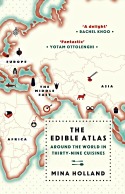
The_Edible_Atlas_cover_smallThe Edible Atlas: Around the World in 39 Cuisines (Canongate, March 2014)
Author: Mina Holland
Genre: International cookery
Synopsis: Not just a cookbook, The Edible Atlas introduces readers to the cultures behind the flavors and looks at why people eat what they do.
Expat credentials: Mina Holland, from the UK, has lived both in the USA and in Spain. She’s the acting editor of Guardian Cook.
How we heard about: Titles about food always catch our eye, and the idea of traveling around the world a mouthful at a time? Tantalizing! A review in Guardian Books first brought it to my attention.


THIRD CULTURE KIDS

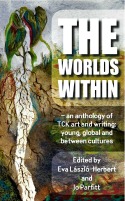
TheWorldsWithin_cover_smallThe Worlds Within, an anthology of TCK art and writing: young, global and between cultures (Summertime, November 2014)
Editors: Jo Parfitt and Eva László-Herbert
TCK Credentials: As the editors point out, that this is a rare book BY third culture kids, not about them.
Synopsis: Your mother is Swiss, your father is from the Philippines and you have so far lived in five countries, none of them your passport country. Who are you? Where are you from? Where is home? And what did you eat for breakfast? If you are a friend, this book will guide you. If you are a teacher, it will enlighten you. If you are a parent, it will spell it out for you and if you are an employer, it will convince you. Here they are, the cultural chameleons, the young global nomads, the TCKs—Third Culture Kids—from around the world, telling you their story.
How we heard about it: Initially from a Facebook post. Word is spreading fast on social media. One of the coolest things about this book? It features TCK art as well as writing.


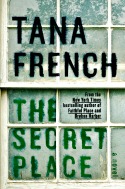
The_Secret_Place_cover_smallThe Secret Place (Dublin Murder Squad Book 5) (Penguin, August 2014)
Author: Tana French
Genre: Mystery
Synopsis: In Book 5 of the Dublin Murder Squad series, two detectives are given new information about a cold case—a boy’s murder on the grounds of an exclusive school for girls.
(A)TCK credentials: Tana French was born in Ireland but grew up in Italy, the USA, and Malawi during the years her family traveled with her father’s career as a development economist.
How we heard about it: I’m an avid reader of murder mysteries and fell in love with this series by French last year. In fact, I wrote about her Dublin Murder Squad series , and how it deals with issues of displacement, for my first Booklust, Wanderlust column.


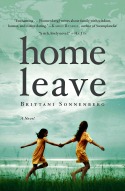
Home_Leave_sonnenberg_cover_smallHome Leave (Hachette, June 2014)
Author: Brittani Sonnenberg
Genre: Expat fiction
Synopsis: In a story that mirrors the author’s own life as a TCK, an expat family’s daughters search for their own identity and confront tragedy.
(A)TCK credentials: Sonnenberg was born in the USA but lived in the UK, Germany, China and Singapore as a child and teenager. She now lives in Berlin and treats Hong Kong as her second home.
How we heard about it: ML is always on the hunt for a good book about TCKs, so when she mentioned having read a review of the book last summer in the New York Times, I agreed to write a column about it.


COUNTRY GUIDES/TRIBUTES

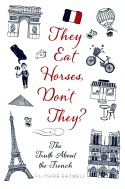
They_Eat_Horses_cover_smallThey Eat Horses, Don’t They? The Truth about the French (Thomas Dunne Macmillan, December 2014)
Author: Piu Marie Eatwell
Genre: Multicultural nonfiction
Synopsis: A series of entertaining mini-essays examines the stereotypes of French life, so beloved of the British in particular, only to discover that many are completely false.
Expat credentials: Eatwell, of mixed Asian and British descent, went to France for a long weekend one August summer holiday many years ago, and never left (how could she, with a surname like that?). After graduating from Oxford University, she trained first as a BBC television producer and then as a lawyer. Over the years she has worked as a documentary film maker, barrister, teacher, mother, and—most recently—full-time writer, both in London and Paris. They Eat Horses, Don’t They? is her first book.
How we heard about: Eatwell’s book is the winner of the 2014 Next Generation Indie Book Award in Amazon’s Multicultural Non-Fiction category.


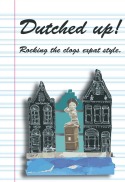
Dutched_Up_cover_smallDutched Up! Rocking the Clogs Expat Style (November 2014)
Authors: Various
Genre: Anthology
Synopsis: A compilation of stories by expat bloggers in the Netherlands.
Expat credentials: Too numerous to relay.
How we heard about: From a tweet by one of the contributors, Australian expat in Almere Nerissa Muijs. Once upon a time, Muijs was featured on our site as a Random Nomad. (She definitely rocks—we can vouch for it!)


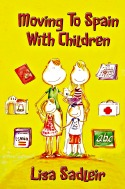
Moving_to_Spain_cover_smallMoving to Spain with Children: Essential reading for anyone thinking about moving to Spain (November 2014)
Author: Lisa Sadleir
Genre: Expat self-help
Synopsis: Spiced with the author’s own heart-warming anecdotes, the book aims to help you arrive at the same place her own family is now—but in half the time: living and loving family life in Spain!
Expat credentials: British born Lisa Sadleir is mother to two young, bilingual children. Educated in the UK and France, she has been a resident in Spain for over 23 years. She works as an independent relocation advisor and personal property finder.
How we heard about: Social media.


Paris_in_Love_cover_smallParis in Love (Chronicle Books, November 2014)
Author: Nichole Robertson
Genre: Photography
Synopsis: A photographic love letter to Paris from the author of the best-selling Paris in Color, capturing the hidden corners and secret moments that make Paris the most romantic city in the world.
Expat credentials: After a successful career in New York City as a writer and creative director for ad agencies, Robertson moved to Paris, which rekindled her love of photography and led to creating a series of prints and now books celebrating her relationship with the City of Light.
How we heard about: Social media.


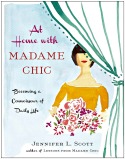
At_Home_with_Madame_Chic_cover_smallAt Home with Madame Chic: Becoming a Connoisseur of Daily Life (Simon & Schuster, October 2014)
Author: Jennifer L. Scott
Genres: Beauty/Fashion, How-to, Home Improvements
Synopsis: In this follow-up to her best-selling Lessons from Madame Chic, Scott has divided the book into two sections: 1) Chez Vous: exploring how to get your home in order and how to love it again; 2) Les Routines de la Journée: covering the pleasures of the morning, the pleasures of the afternoon, and the pleasures of the evening.
Expat credentials: Once upon a time, Scott was a college student living with a “chic” family in Paris, France, and her books represent her attempt to translate all that she learned from that European experience into her American lifestyle.
How we heard about: I interviewed Scott about her first book just before it was picked up by Simon & Schuster, and have been a big fan of hers ever since. (Her interview still gets lots of hits!)


How_to_live_in_Denmark_coverHow to Live in Denmark: A humourous guide for foreigners and their Danish friends (July 2014)
Author: Kay Zander Mellish
Synopsis: Life as a foreigner in Denmark, one of the world’s most homogenous countries, isn’t always easy. In this book, based on her popular podcast series, Kay Xander Mellish offers a fun guide to Danish culture and Danish manners, as well as tips on how to find a job, a date, someone to talk to or something to eat.
Expat credentials: An Wisconsin-born journalist, Mellish has lived in Denmark for more than a decade.
How we heard about: Mellish’s humorous and somewhat irreverent take on expat life caught our attention about a year ago, when she posted a story about the first woman to guard the Royal Palace at Amalieborg, who was fired not for being a prostitute but for refusing to follow orders and stop moonlighting—a post for which Mellish earned her one of our coveted (?!) Alice Awards. We were pleased to learn she’d published a book, and plan to feature it soon.


SoYou're_Moving_to_Australia_cover_smallSo, you’re moving to Australia?: The 6 essential steps to moving Down Under (June 2014)
Author: Sharon Swift
Genre: Self-help
Synopsis: Swift has distilled her formula for a successful international relocation into a 6-step process, outlined in this book for those making the big leap from the UK to Australia.
Expat credentials: Since her birth in Singapore to a British father and Singaporean mother, Swift has lived across five continents, experiencing life and cultures of 14 countries. Her move to Sydney from London in 2005 was her 18th international relocation. She lives in Sydney Inner West with her husband, both now Australian citizens.
How we heard about: Pinterest.

* * *

Your turn again, readers! Have you read any of the above works and if so, what did you think of them? And can you suggest other works to add to these three categories or to the ones presented yesterday? Beth and I look forward to reading your comments below.

From Beth:
Intrigued by some of these titles? Go ahead, download a few! ‘Tis the season to support the output of other international creatives.

In closing, please note: Beth and I may repeat this exercise in six months (summer reads). But if you can’t wait until then, I suggest that you sign up for our DISPLACED DISPATCH, which has a Recommended Read every week, and also follow our Pinterest board: DISPLACED READS.

Without further ado, we thank you for making this year great and wish you a season full of mirth and good cheer, along with the odd quiet moment for a displaced read or two!

(Oh, and pass that eggnog!!)

STAY TUNED for more fab posts.

If you enjoyed this post, we invite you to subscribe to The Displaced Dispatch, a weekly round up of posts from The Displaced Nation, plus some extras such as seasonal recipes and occasional book giveaways. Sign up for The Displaced Dispatch by clicking here!

Related posts:

BOOKLUST, WANDERLUST: Best of 2014 in expat books (1/2)

Best of Expat Books 2014

Kindle Amazon e-reader by Unsplash via Pixabay (CC0 1.0)

Seasons greetings, Displaced Nationers. That special time of the year is here again, when we publish our selection of this year’s books with meaningful connections to expats, Third Culture Kids, global wanderers, and others of us who have in some way led “displaced lives”.

Having assembled this list on my own in years past, I am pleased to be joined this year by Beth Green, our BOOKLUST, WANDERLUST columnist, who has also graciously agreed to sign over her column space for the month.

Let’s give Beth the floor:

Happy holidays, all! Preparing for this yearly special, I went back through all of the books I’ve read since January—not such an easy task; I read a lot!—and realized that I hadn’t actually read all that many that were published in 2014. I just now took a look at my TBR list, to which I’m constantly adding—and saw it includes a few that were written a couple of hundred years ago!

As is the case I suspect for many a well-traveled reader, I read most often on my Kindle, which means that I don’t often look at the title and publication pages to see when the book came out. Probably the book that has stayed with me for the longest this year is The Tiger’s Wife, the debut novel by Téa Obreht, an American writer of Bosniak/Slovene origin. But that came out in 2011!

* * *

And now for some 2014 picks in these three categories (stay tuned for a follow-up post with THREE MORE CATEGORIES!!):

  1. TRAVEL
  2. MEMOIRS
  3. CROSS-CULTURAL CHALLENGES

A few points to note:

  • Books in each category are arranged from most to least recent.
  • Unless otherwise noted, books are self-published.
  • Contributions by Beth are (appropriately enough!) in green.

* * *

TRAVEL

My_Gutsy_story_cover_smallMy Gutsy Story Anthology: Inspirational Short Stories About Taking Chances and Changing Your Life (Volume 2) (October 2014)
Compiled by: Sonia Marsh
Synopsis: Marsh celebrates the gutsy in each of us with this collection of stories from 64 authors who found the courage to face their fears and live their dreams.
Expat credentials: Born to a Danish mother and British father, who brought her to live in West Africa at the age of three months, Marsh has lived in many countries—Demark, Nigeria, France, England, the U.S. and Belize—and considers herself a citizen of the world. With a degree in environmental science from the University of East Anglia, U.K., she is currently living in Southern California with her husband but in 2015 intends to start a new chapter as a Peace Corps volunteer.
How we heard about: We have long enjoyed Marsh’s collection of “gutsy” travel stories and have followed her on Twitter for some time.
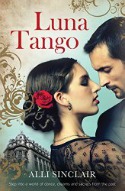

Luna_Tango_Cover_smallLuna Tango (The Dance Card Series Book 1) (Harlequin Mira, July 2014)
Author: Alli Sinclair
Genre: Romance
Synopsis: Tango is a mysterious—and deadly—influence in journalist Danni McKenna’s life. She looks for answers about her mother’s and grandmother’s lives, and finds romance in the process.
Expat credentials: Alli Sinclair is from Australia but lived for many years in South America, where she worked as a mountain and tour guide. She considers herself a citizen of the world.
How we heard about it:  I used to blog with Alli on the now-retired Novel Adventurers and have enjoyed hearing about her book’s path to publication. I was especially thrilled when Luna Tango won Book of the Year in the inaugural AusRom Today Reader’s Choice Awards last month. Congratulations, Alli!
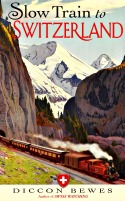

Slow-Train-final-cover_smallSlow Train to Switzerland (Nicholas Brealey Publishing, April 2014)
Author: Diccon Bewes
Genre: Travel history
Synopsis: Bewes follows “in the footsteps” of Miss Jemima Morrell, a customer on Thomas Cook’s first guided tour of Switzerland in 1863, and discovers how this plucky Victorian woman helped shape the face of modern tourism and Switzerland itself, transforming it into the Cinderella of Europe.
Expat creds: An Englishman who grew up in “deepest Hampshire”, Bewes worked for ten years at Lonely Planet and the UK consumer magazine Which? Travel, before moving to Bern, Switzerland, where he is now a full-time writer. He considers himself a “permanent expat.”
How we discovered: I came across Bewes’s blog through a Google Alert and was impressed by how prolific he is. I also liked the fact that he admits to being a chocolate lover. (No wonder he has a thing for Switzerland!)


Kamikaze_kangaroos_cover_smallKamikaze Kangaroos!: 20,000 Miles Around Australia. One Van,Two Girls… And An Idiot (February 2014)
Author: Tony James Slater
Synopsis: Tony James Slater knew nothing about Australia. Except for the fact that he’d just arrived there. The stage is set for an outrageous adventure: three people, one van, on an epic, 20,000-mile road trip around Australia. What could possibly go wrong?…
Expat credentials: As a former writer for the Displaced Nation, what more creds does Tony need?
How we heard about: The Displaced Nation is committed to tracking Tony’s progress as a writer. We are especially fond of his ability to make fun of himself! He wears his travels lightly, you might say…


MEMOIRS
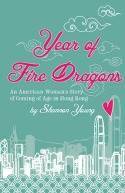
Year_of_Fire_Dragons_cover_smallYear of Fire Dragons: An American Woman’s Story of Coming of Age in Hong Kong (Blacksmith, forthcoming June 2015; available for pre-order)
Author: Shannon Young
Synopsis: When 22-year-old Shannon follows her Eurasian boyfriend to his hometown of Hong Kong, she thinks their long distance romance is over. But a month later his company sends him to London. The city enchants her, forcing her to question her plans. Soon, she will need to choose between her new life and the love that first brought her to Asia.
Expat creds: Shannon is an American twenty-something currently living in Hong Kong. (Reader, she married him!)
How we knew about: Shannon writes our “Diary of an Expat Writer” column and has also been sharing “chunks” from an anthology she edited of writings by women expats in Asia (see listing below: under “Crosscultural Challenges”).


Coming_Ashore_cover_smallComing Ashore (October 2014)
Author: Catherine Gildiner
Synopsis: The third and final in a series of best-selling memoirs by this American who has worked for many years as a psychologist in Toronto and writes a popular advice column in the Canadian women’s magazine Chatelaine. The book begins with Gildiner’s move to Canada in 1970 to study literature at the University of Toronto, where she ends up rooming with members of the FLQ (Quebec separatists), among other adventures.
How we heard about: Book #2 in Chatelaine’s 7 must-read books for November.
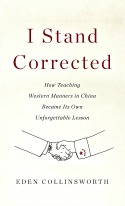

I_stand_corrected_cover_smallI Stand Corrected: How Teaching Manners in China Became Its Own Unforgettable Lesson (Nan A. Talese, October 2014)
Author: Eden Collinsworth
Synopsis: Collinsworth tells the story of the year she spent living among the Chinese while writing an advice manual covering such topics as personal hygiene (non-negotiable!), the rules of the handshake, and making sense of foreigners. (She has since returned to live in New York City.)
How we heard about: Book #3 in Conde Nast Traveler’s 7 Books to Get You Through Travel Delays, Bad Company.


Seven_Letters_from_Paris_cover_smallSeven Letters from Paris: A Memoir (Sourcebooks, October 2014)
Author: Samantha Vérant
Synopsis: At age 40, Samantha Verant’s life is falling apart—she’s jobless, in debt, and feeling stuck…until she stumbles upon 7 old love letters from Jean-Luc, the sexy Frenchman she’d met in Paris when she was 19. She finds him through a Google search, and both are quick to realize that the passion they felt 20 years prior hasn’t faded with time and distance.
How we heard about: From an interview with Vérant by British expat in Greece Bex Hall on her new blog, Life Beyond Borders.


Becoming_Home_cover_smallBecoming Home: A Memoir of Birth in Bali (October 2014)
Author: Melinda Chickering
Synopsis: Though born in small-town USA, Melinda never felt quite at home there. As an adult, her search for herself led her to the Indonesian island of Bali, where she found herself living a life she hadn’t anticipated, becoming a housewife and mother. This memoir of her experience with pregnancy and birth offers a window on life for a western woman living in an Asian culture that respects the forces of darkness as well as the light.
Expat credentials: Originally from Iowa, Chickering has settled in Bali.
How we heard about it: Displaced Nationer Melinda contacted me earlier this year to tell us the exciting news that her memoir was being published. Congratulations, Melinda!

The_Coconut_Latitudes_cover_smallThe Coconut Latitudes: Secrets, Storms, and Survival in the Caribbean (September 2014)
Author: Rita M. Gardner
Synopsis: Rita is an infant when her father leaves a successful career in the US to live in “paradise”—a seaside village in the Dominican Republic. The Coconut Latitudes is her haunting, lyrical memoir of surviving a reality far from the envisioned Eden—and of the terrible cost of keeping secrets.
How we heard about: Displaced Nation columnist James King interviewed Rita for “A picture says”.

At_home_on_Kazakh_Steppe_cover_smallAt Home on the Kazakh Steppe: A Peace Corps Memoir (August 2014)
Author: Janet Givens
Synopsis: The story a middle-aged grandmother who left behind a life she loved and forged a new identity as an English teacher, mentor, and friend in Kazakhstan, a newly independent country determined to find its own identity after generations under Soviet rule.
How we heard about: Recommended by the We Love Memoirs Facebook Community.


Good_Chinese_Wife_cover_smallGood Chinese Wife: A Love Affair with China Gone Wrong (Sourcebooks, July 2014)
Author: Susan Blumberg-Kason
Synopsis: A shy Midwesterner, Blumberg-Kason spent her childhood in suburban Chicago dreaming of the neon street signs and double-decker buses of Hong Kong. She moved there for graduate school, where she fell for Cai, the Chinese man of her dreams. As they exchanged vows, she thought she’d stumbled into an exotic fairy tale, until she realized Cai—and his culture—where not what she thought. One of our featured authors, Wendy Tokunaga, says: “A fascinating, poignant and brutally honest memoir that you won’t be able to put down. Good Chinese Wife is riveting.”
How we heard about: We had known about the book for some time but hadn’t realized it came out this year Jocelyn Eikenburg tipped us off in her comment below. She, too, highly recommends.

Into_Africa_cover_smallInto Africa: 3 kids, 13 crates and a husband (June 2014)
Author: Ann Patras
Synopsis: Patras was born and raised in Burton-upon-Trent, in the English Midlands. When her husband, Ziggy, is offered a two-year contract as site manager for building a new cobalt plant in Zambia, they discuss the pros and cons of leaving luxuries and England behind—and then decide it could be an “interesting” family adventure. They end up raising three kids, countless dogs and living in Africa for over thirty years. (She and Ziggy now live in Andalucía, Spain, and have absolutely no intention of ever moving again. Hmmm…have they encountered Charlotte Smith yet? See next item.)
How we heard about: E-book promotion.

PawPrintsinOman_cover_smallPaw Prints in Oman: Dogs, Mogs and Me (April 2014)
Author: Charlotte Smith
Synopsis: Smith was born, raised and lived in West Sussex, UK, until her persuasive husband, Nick, swept her and their youngest daughter off to live in mystical Oman. Her love of animals helped her to shape an extraordinary life in the Middle East—her first step being to convince a local veterinary clinic to employ her. (Note: Smith now lives in Andalucía, in southern Spain.)
How we heard about: Recommended by the We Love Memoirs Facebook community. The book was also on the New York Times best-seller list (“animals”) in October.


loveyoubye_cover_smallLoveyoubye: Holding Fast, Letting Go, And Then There’s the Dog (She Writes Press, April 2014)
Author: Rossandra White
Synopsis: A collision of crises on two continents forces Rossandra White to face the truth. Just as her American husband disappears to Mexico, her brother’s health crisis calls her back home to Africa, and her beloved dog receives a fatal diagnosis. She faces down her demons to make a painful decision: stay in a crumbling marriage, or leave her husband of 25 years and forge a new life alone.
How we heard about: Through a Facebook share of White’s Good Reads giveaway.
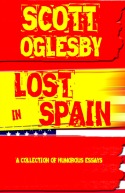

Lost_in_Spain_cover_smallLost in Spain: A Collection of Humorous Essays (March 2014)
Author: Scott Oglesby
Synopsis: Scott Oglesby moved to Spain to start over. When he discovered he was still the same person, now six thousand miles from home, the result was dysfunction, delusion, chaos and this book, which many readers have described as “hilarious” and “brilliant”.
How we heard about: E-book promotion.


Journey_to_a_Dream_cover_smallJourney to a Dream: A voyage of discovery from England’s industrial north to Spain’s rural interior (February 2014)
Author: Craig Briggs
Synopsis: Craig, his wife Melanie and their dog, Jazz, left their home town of Huddersfield, in England’s industrial north, and set off for Galicia: a remote and little-known autonomous province in the northwest corner of Spain. And so began their Journey to a Dream…
How we heard about: E-book promotion, as a result of which I am currently reading this on my Kindle. It’s very well written and entertaining.


Paris_Letters_cover_smallParis Letters: One woman’s journey from the fast lane to a slow stroll in Paris (February 2014)
Author: Janice Macleod
Synopsis: MacLeod found herself age 34 and single, suffering from burn-out and dissatisfaction. So she abandoned her copywriting job and headed off to Europe, where she ended up finding love and freedom in a pen, a paintbrush…and Paris! Macleod says her journey was inspired by The Artist’s Way, written by Julie Cameron.
How we heard about: From an interview with MacLeod by American expat in Paris Lindsey Tramuta, which appeared on Lindsey’s blog, Lost in Cheeseland.


lenin_smallLenin Lives Next Door: Marriage, Martinis, and Mayhem in Moscow (Small Batch Books, January 2014)
Author: Jennifer Eremeeva
Synopsis: Based on Eremeeva’s two decades in Russia, Lenin Lives Next Door is a work of self-described “creative nonfiction.” It knits together vignettes of cross-cultural and expatriate life with sharp observation, historical background, and humor. Each chapter explores an aspect of life in today’s Russia, told with the help of a recurring cast of eccentric Russian and expat characters, including HRH, Eremeeva’s Handsome Russian Husband (occasionally a.k.a. Horrible Russian Husband), and their horse-mad daughter.
How we heard about: Eremeeva sent me a review copy and we met up for coffee at Columbia University. I found her a delightful conversationalist. No wonder several reviewers have likened her style to Jane Austen’s.


CROSS-CULTURAL CHALLENGES
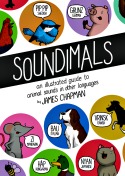
Soundimals_cover_smallSoundimals: An illustrated guide to animal sounds in other languages (November 2014)
Author/illustrator: James Chapman.
Synopsis: In English, we say dogs go WOOF, but in Romanian they go HAM HAM. Chapman regularly publishes illustrations of onomatopoeia and animal sounds in other languages on his Tumblr blog. This book (available through his Etsy shop) collects some of those plus a lot of new sounds that weren’t in the original comics, and a few new animals that haven’t been posted at all.
Expat creds: None that we know of; would love to hear more about how he got started collecting these sounds.
How we heard about: Pinterest.
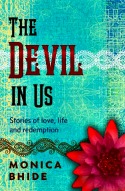

The_Devil_in_us_cover_smallThe Devil in Us (CreateSpace, October 2014)
Author: Monica Bhide
Genre: Literary fiction
Synopsis: Short stories that carry you to a far away place, amidst people seemingly very foreign to you, but somehow create a connection—from the Indian-American cancer survivor escaping her pain and finding passion in Mumbai, to the Japanese teen in Georgetown discovering forbidden love. Bhide is known for her writings about Indian food. This is her first work of fiction.
Expat creds: Monica is originally from Delhi, India, but has lived in Bahrain ad now in the United States.
How we found out about: Pinterest.
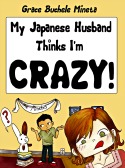

Japanese_Husband_cover_smallMy Japanese Husband Thinks I’m Crazy! The comic book: Surviving and thriving in an intercultural, interracial marriage in Tokyo (October 2014)
Author: Grace Buchelle Mineta
Genre: Comics/manga; humor
Synopsis: The autobiographical misadventures of a native Texan freelancer and her Japanese “salaryman” husband, in comic book form.
Expat credentials: Mineta grew up mostly in Texas, but also spent her teenage years in Accra, Ghana and Sapporo (Hokkaido), Japan. She now lives in Tokyo with her Japanese husband (they got married in January) and blogs at Texan in Tokyo.
How we found out about: From a guest post by Mineta on Jocelyn Eikenburg’s blog, Speaking of China, titled The “Dark Side” to Moving Across the World for Love.
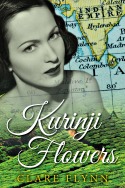

Kurinji_Flowers_cover_smallKurinji Flowers (October 2014)
Author: Clare Flynn
Genre: Historical romance
Synopsis: Set in South India during World War II and India’s struggle for independence, the book is centered on a young British colonial, Ginny Dunbar, who has arrived in India for a new start in life. She has to battle her inner demons, the expectations of her husband, mother-in-law, and colonial British society, and her prejudices towards India and its people.
Expat credentials: Flynn is a repeat expat, having lived for two years each in Paris and Brussels, three years in Milan, and six months in Sydney, though never in India. She now lives in London but spends as much time as she can in Italy. Almost needless to say, Flynn loves travel and her idea for this book came while she was on holiday in Kerala, India.
How we knew about: Flynn was interviewed by JJ Marsh for the latter’s popular column, LOCATION LOCUTION.
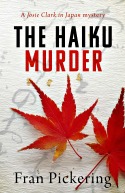

The_Haiku_Murder_cover_smallThe Haiku Murder (Josie Clark in Japan mysteries Book 2) (October 2014)
Author: Fran Pickering
Genre: Expat mystery series
Synopsis: A haiku-writing trip turns to tragedy when a charismatic financier falls from the top of Matsuyama castle. But was he pushed? Expat Londoner Josie Clark thinks he was, and that’s when the trouble starts…
Expat credentials: Pickering has lived and worked in Tokyo, and though she is now back in London (literally next door to where she was born), she travels back to Japan frequently to visit friends and do research for the Josie Clark mystery series.
How we heard about: Pickering was interviewed by JJ Marsh for the latter’s popular column, LOCATION LOCUTION.
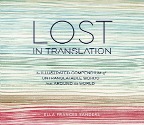

LostinTranslation_cover_smallLost in Translation: An Illustrated Compendium of Untranslatable Words from Around the World (September 2014)
Author: Ella Frances Sanders
Genre: Illustration/Translation
Synopsis: Did you know that the Japanese language has a word to express the way sunlight filters through the leaves of trees? Or that there’s a Finnish word for the distance a reindeer can travel before needing to rest? This book is an artistic collection of more than 50 drawings featuring unique, funny, and poignant foreign words that have no direct translation into English.
Expat credentials:  A self-described “intentional” global nomad, Sanders has lived all over the place—most recently Morocco, the United Kingdom, and Switzerland.
How we heard about: From a post about the book by Maria Popova on her much-acclaimed Brain Pickings site.


Everything_I_Never_Told_You_cover_smallEverything I Never Told You (Penguin, June 2014)
Author: Celeste Ng
Genre: Thriller
Synopsis: A mixed-race family in the 1970s tries to unravel a family tragedy.
Expat credentials: Celeste Ng isn’t an expat, but she has a deep understanding of what it means to feel displaced. Her work deals with multiculturalism and race issues in the United States.
How we heard about it: It was voted the Amazon Book of the Year.
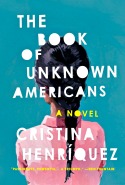

TheBook_Of_Unknown_Americans_smallThe Book of Unknown Americans (Knopf, June 2014)
Author:  Cristina Henríquez
Genre: Literary fiction
Synopsis: Arturo and Alma Rivera have lived their whole lives in Mexico. One day, their beautiful fifteen-year-old daughter, Maribel, sustains a terrible injury, one that casts doubt on whether she’ll ever be the same. And so, leaving all they have behind, the Riveras come to America with a single dream: that in this country of great opportunity and resources, Maribel can get better.
Expat credentials: Henríquez isn’t an expat, but her father was—he came to the US from Panama to attend university.
How we heard about it: Henríquez’s novel was Amazon’s No. 1 bestseller this year in the Hispanic American Literature & Fiction category.


TheOtherLanguage_cover_smallThe Other Language (Pantheon, April 2014)
Author: Francesca Marciano
Synopsis: A collection of short stories involving women who are confronted by radical change or an old flame, in locations that range from New York to India to Kenya to southern Italy.
Expat credentials: Marciano is an Italian novelist who left Rome at age 21 to live in the United States. She later moved to Kenya, where she lived for a decade. Although Italian is her first language, she chooses to write in English.
How we found out: From an essay by William Grimes in the New York Times Book Review: “Using the Foreign to Grasp the Familiar: Writing in English, Novelists Find Inventive New Voices.”


Dragonfruit_cover_smallHow Does One Dress to Buy Dragon Fruit: True Stories of Expat Women in Asia (April 2014)
Editor: Shannon Young
Genre: Expat non-fiction; anthology
Synopsis: In this collection, 26 women reveal the truth about expatriate life in modern East Asia through original works of memoir and creative non-fiction.
Expat credentials: To qualify for inclusion in the volume, writers had to be able to say they were, or had once been, expats.
How we heard about: We have followed Shannon Young ever since she contributed to the Displaced Nation on the topic of the London Olympics. She currently writes a column for us about being an expat writer, and we’ve been sharing “chunks” from her Dragonfruit anthology for the past few months.


Chasing_Athens_cover_smallChasing Athens (April 2014)
Author: Marissa Tejada
Genre: Romance
Synopsis: When Ava Martin’s new husband unexpectedly ditches her months after they’ve relocated across the world to Greece, the heartbroken American expat isn’t sure where home is anymore. On the verge of flying back to the States with her tail between her legs, she makes an abrupt decision to follow her gut instead and stay on in Greece, until a crisis back home forces her to decide where she truly belongs.
Expat credentials: A Native New Yorker, Tejada is an author, writer and journalist based in Athens, Greece. Living the expat life in Europe inspired her to write her debut novel.
How we heard about it: Again, from an interview conducted by British expat in Greece Bex Hall on her blog, Life Beyond Borders.


Moving_without_Shaking_cover_smallMoving Without Shaking: The guide to expat life success (from women to women) (April 2014)
Author: Yelena Parker
Genre: Guidebook-meets-memoir
Synopsis: Parker draws from the experiences and views of 9 women who have lived across 12 countries, to craft a resource for those who are dreaming of—or already facing—relocation abroad.
Expat creds: Parker herself is originally from Eastern Ukraine but has lived and worked in the US, Switzerland, the UK and Tanzania. She has chosen London as her latest expat location.
How we heard about: From a Google Alert.

QueenOfCloudPirates_cover_smallQueen of the Cloud Pirates (Crossing the Dropline Book 1) (March 2014)
Author: Andrew Couch
Genre: Fantasy novella
Synopsis: Far to the North of the Iron League core cities lies the Dropline. Beyond this line of cliffs the power of elemental Air rules supreme. The crucial region is threatened and two young men stand at the tipping point. In order to survive, they must learn to work together and rise above their own shortcomings. Oh yeah, and escape from pirates. Don’t forget the pirates….
Expat credentials: An American abroad, Couch lives with his wife in Freiburg, Germany. He says that much of the inspiration for the worlds he writes about is a mix of a wild and crazy imagination (he grew up reading fantasy books) and his travels around the world.
How we found out about: Couch contributes the HERE BE DRAGONS column to the Displaced Nation, focusing on the connection between the displaced life and fantasy writing (more powerful than any skeptics out there might think!).

What_Happens_in_Nashville_cover_smallWhat Happens in Nashville (March 2014)
Author: Angela Britnell
Genre: Romance (“choc lit”)
Synopsis: Claire Buchan, a straight-laced barrister from Exeter, UK, flies to Nashville, Tennessee, to organize her sister Heather’s bridal bash—and quickly finds herself out of her comfort zone and into the arms of a most unsuitable beau…
Expat credentials: Britnell grew up in a small Cornish village in southwestern England. She served in the Royal Navy for almost six years, culminating in an assignment in Denmark, where she met her American husband. Thus began a chronic expat life. The couple, now empty nesters, have settled in Brentwood, Tennessee.
How we heard about: Rosie Milne wrote about Britnell in an article that appeared on Telegraph Expat: “Expat romantic novelists inspired by real life.” (Milne btw lives in Singapore and runs Asian Books Blog.)


Monsoon_Memories_cover_smallMonsoon Memories (January 2014)
Author: Renita D’Silva
Genre: Literary fiction
Synopsis: Sometimes the hardest journeys are the ones that lead you home. Exiled from her family in India for more than a decade, Shirin and her husband lead a comfortable but empty life in London. Memories of her childhood fill Shirin with a familiar and growing ache for the land and the people that she loves. With the recollections, though, come dark clouds of scandal and secrets. Secrets that forced her to flee her old life and keep her from ever returning…
Expat credentials: Now living in the UK, Renita grew up in a picturesque coastal village in South India.
How we heard about: Amazon.

The_Shaping_of_Water_cover_smallThe Shaping of Water (December 2013—we’re letting it squeak in!)
Author: Ruth Hartley
Genre: Literary fiction
Synopsis: The story concerns the overlapping lives of several different people, expats and locals or some mix, who are connected to a ramshackle cottage by a man-made lake in Central Africa during the Liberation wars across its region.
Expat credentials: Hartley grew up on her father’s farm in Zimbabwe, which at that point was known as Rhodesia, at a time when struggles for independence in European-ruled African territories were spreading like a wave. As a young woman, she moved to South Africa to study art and then had to escape to England because of her political activities. She later moved back to Africa, as an expat. She now lives in Southern France.
How we heard about: I discovered Hartley via one of my social networks and then decided to approach her about being interviewed for the Displaced Nation.

* * *

Your turn readers: Have you read any of the above works and if so, what did you think of them? And can you suggest other works to add to the list? Beth and I look forward to reading your comments below!

From Beth:
Intrigued by some of these titles? Go on, download a few! ‘Tis the season to support the output of other international creatives!

Finally, please note: Beth and I may repeat this exercise in six months (summer reads!). But if you can’t wait until then, I suggest that you sign up for our DISPLACED DISPATCH, which has a Recommended Read every week, and also follow our Pinterest board: DISPLACED READS.

STAY TUNED for PART 2 of this post: IT’S FOOD!, THIRD CULTURE KIDS & COUNTRY GUIDES/TRIBUTES.

If you enjoyed this post, we invite you to subscribe to The Displaced Dispatch, a weekly round up of posts from The Displaced Nation, plus some extras such as seasonal recipes and occasional book giveaways. Sign up for The Displaced Dispatch by clicking here!

Related posts:
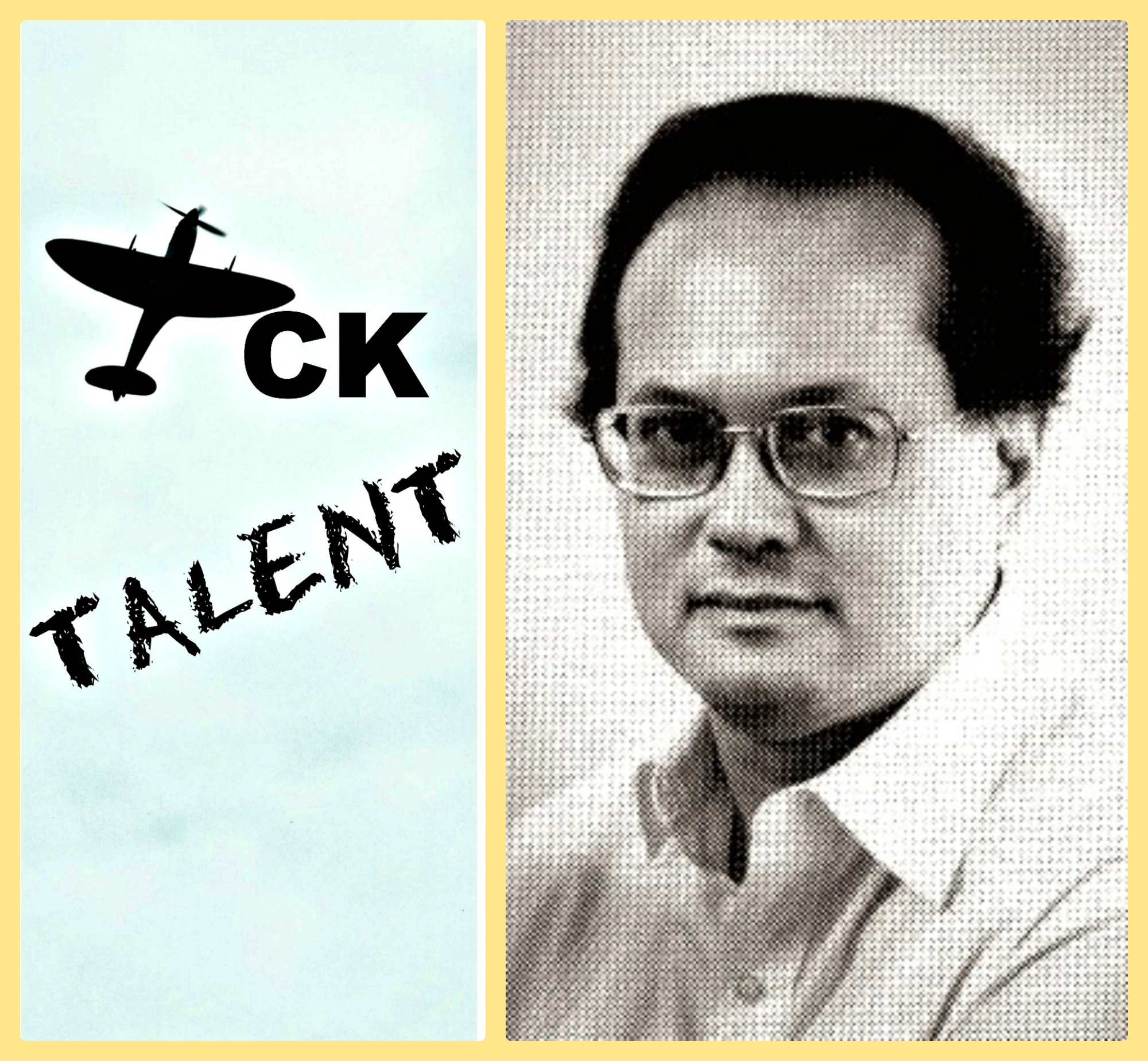
GLOBAL FOOD GOSSIP: ‘Tis the season to be jolly—and for that I recommend crunchy sweet potatoes

Crunchy Sweet Potato Collage

Joanna Masters-Maggs portrait; “Pecan Sweet Potato Casserole,” by Vox Efx and “Thanksgiving feast,”  by Star Mama, both via Flickr (CC-BY 2.0).

Joanna Masters-Maggs was displaced from her native England 17 years ago, and has since attempted to re-place herself in the USA, Holland, Brazil, Malaysia, Venezuela, Saudi Arabia, and now France. She describes herself as a “food gossip”, saying: “I’ve always enjoyed cooking and trying out new recipes. Overseas, I am curious as to what people buy and from where. What is in the baskets of my fellow shoppers? What do they eat when they go home at night?”

* * *

Last month I had intended to contribute a pleasant little piece invoking “memories of Thanksgivings past”—but I am afraid I just wasn’t feeling in a terribly thankful sort of mood.

That was a shame, really, as Thanksgiving is one of the few holidays I have been lucky enough to experience overseas that my crabby little heart actually embraces. As a foreigner living in the United States, my experience could be likened to that of a grateful orphan, adopted warmly by a family as a vaguely interesting addition to proceedings.

Really, what is there not to like? Good food, and plenty of it, a lot of wine, usually in the host family’s nice crystal—and ABSOLUTELY NO PRESENT-GIVING other than generous hostess gifts.

Et tu, le shopping?

It was actually the contemplation of present-BUYING that prompted my spell of bad humour. Black Friday, the day after Thanksgiving—which Americans traditionally spend at pre-Christmas sales, in a frenzy that can take on the appearance of contact sports with credit cards—has now arrived in France, my current home.

France!

It seems that even the French have lost their ability to say non to foreign habits that threaten their own culture.

Le shopping, too. 😦

Veggies, glorious veggies!

All of that said, I regret that I never sat down and wrote the column I originally had in mind. Soon after I made that decision, the thought of those cosy Thanksgivings where outdoor grey light gives way to the warmth of candles and fires began to get the better of my jour noir.

Especially when I remembered the BEST THING OF ALL about Thanksgiving: it affords an opportunity for Americans to demonstrate their magical ability to convert healthy, vitamin-brimming vegetables into artery-clogging, heart-stopping not-much-time-left-bombs.

The general principle seems to be to cook out as much of the vegetable’s vitamin content as possible, along with its texture and possibly colour. Next comes the flavour makeover. Those green beans must taste of ham hock and bacon, not bean. The loss of beanly texture is viewed as desirable—and really, who enjoys the blackboard squeak of green beans on teeth?

However, I cannot approve of the makeover given to the sweet potato, whose texture when cooked is always soft. Sweet potatoes require a little more bite—and how!

The joy of this vegetable is that, even after the rather horrifying treatment meted out to it, often involving marshmallows, the B vitamins remain intact allowing it to count as a health food still.

God Bless America indeed.

Let’s talk turkey, or where’s the beef?

If there are to be any complaints about Thanksgiving and, given my heritage, there must be complaints, it would be about the bird. As my own father once said of Christmas lunch in the UK:

If it’s meant to be a fancy there should be proper meat.

For him this means beef, I believe. I’m open to other meats, other birds even, but I agree with my dad’s sentiment that the Turkey is a duffer in pretty much every respect. Even at its most organic, just shot and plucked best, it’s just a stomach filler for crowds. Does anyone, I wonder, ever consider serving two smaller but glorious geese rather than one ho hum turkey?

On the bright side, though, who needs meat at all when you can have sides like green-bean-and-bacon casserole?

Since my mood has lifted somewhat with all this talk of misbehaving veggies, I have decided to share the cheer by offering you the sweet potato recipe I love. It was given to me years ago and involves brown sugar, pecans and cinnamon baked to a crisp and crumble like finish—plenty of crunch and bite!

It’s wonderful for Christmas and it’s wonderful anytime. Bon appétit!

pecan sweet potato casserole

Sweet Potato Casserole

Ingredients:
½ kilo (just over a pound) of sweet potatoes
115g (half a cup) white sugar
2 large eggs
salt to taste
50g (3.5 tbsp) butter
120 ml (half a cup) of milk
1tsp of cinnamon powder

For the topping:
100g (half a cup) brown sugar
40 g (one third a cup) plain flour
40g (one third of a stick) butter
140 g (around one and one third cups) chopped pecans—you can substitute with other nuts if necessary, but I do think pecan is the best for this as it has a pleasing sweetness. (Walnuts, the natural substitute, can be a little bitter.)

Method
Cover sweet potatoes with cold water and bring to boil. Cook gently until tender.

Mash sweet potatoes with the sugar, beaten eggs, salt, butter milk and vanilla extract if desired.

Spread the sweet potato mixture into a casserole dish measuring 22 x 33 centimeters (8.5″ x 13″).

Preheat the oven to 165°C (around 350ºF).

To make the topping, rub the butter into the flour with your fingertips until the mixture resembles breadcrumbs. Stir in the sugar and nuts. Sprinkle evenly over the potato mixture.

Bake for half an hour until golden brown—keep an eye on it, though, as pecans burn easily.

* * *

Fellow Food Gossips,do you have any post-Thanksgiving (or pre-Christmas) food stories & recipes to share? And also please let us know: do you agree with Joanna’s take on the sweet potato?

STAY TUNED for our next fab post!

If you enjoyed this post, we invite you to register for The Displaced Dispatch, a round up of weekly posts from The Displaced Nation, with seasonal recipes, book giveaways and other extras. Register for The Displaced Dispatch by clicking here!

Related posts:

And the November 2014 Alices go to … these 3 international creatives

 © Iamezan | Dreamstime.com Used under license

© Iamezan | Dreamstime.com
Used under license

If you are a subscriber to our weekly newsletter, the Displaced Dispatch, you’re already in the know. But if you’re not, listen up. (Hey, why aren’t you? Off with your head!)

Every week, when that esteemed publication comes out, we present contenders for a monthly “Alice Award,” most of whom are writers or other kinds of international creatives who appear to have a special handle on the curious and unreal aspects of being a global resident or voyager.

Not only that, but this person tries to use this state of befuddlement as a spur to greater creative heights.

Today’s post hono(u)rs our three Alice recipients for November. Listed in order of most to least recent, they are (drumroll…):

1) Becky Ances, American expat in China and creator behind the Moo-Cow Fan Club, an award-winning children’s magazine & book series

For her post: “No I DO NOT Want to Drink F&%#%$ Hot Water,” to her personal blog, Writer Traveler Tea Drinker: Doing all three in China
Posted on: 18 November 2014
Queen Alice Drink CollageAlice Connection:

“Drink more hot water”
This is the most annoying piece of advice you hear ALL THE TIME when living in China. My friend smashed her elbow, the bone, and went to the hospital. Their recommendation? Drink hot water.

Citation: Becky, please forgive us for having found your post about what happened when you came down with a “major disgusting, hocking, snotty nose, bleary-eyed” case of flu in your adopted home of China highly amusing. That is actually a compliment, coming from us! We also think, moreover, that you may have overreacted slightly to being told repeatedly by Chinese students and friends to drink hot water. We refer you to the “Queen Alice” chapter in Through the Looking Glass, specifically the section where Alice, having found herself wearing a golden crown, arrives at a party being held in her honor. She is surprised to be serenaded by a solo singer with a shrill voice pretending to be her stand-in. She is even more surprised when the hundreds of looking-glass creatures (animals, birds, even a few flowers) who are attending as guests join in a refrain that proposes concocting drinks full of cats and mice, treacle and ink, etc., for a special toast. Looping back to your situation in China: Be grateful it was only hot water they were prescribing (besides, isn’t hot water safer to drink in China?). Under other circumstances, your Chinese friends might have been foisting snake wine or other therapeutic drinks on you as curatives. You are absolutely right, however, to avoid people who sneeze and don’t cover their mouths. And we hope you are also sensible enough to know that if someone offers you a  bottle labeled 我喝 to pour the contents into a flower pot when no one’s looking. (The flowers will thank you for it!) Get well soon, Becky. We wish to read more of your posts!

2) Ruth Van Reken, Adult Third Culture Kid writer, editor, and lecturer; and author of the memoir Letters Never Sent

For her interview: “Exploring Her Third Culture Through Journaling with Ruth Van Reken,” by Eric for geodip
Posted on: 3 November 2014
Alice Connection:
Alice Cheshire Cat Collage

It is from this frequent changing of worlds and communities that the two main challenges of growing up global form. The question of identity: Which of my many selves am I? and the matter of unresolved grief. With so many cycles of transition, if people don’t process the inevitable losses as they happen, the grief that is inherent in losing things that we love will have to go somewhere deep inside.

Citation: Ruth, reading about your struggle to embrace your multiple identities and channel your grief at saying so many goodbyes at a young age—well, let’s say it makes Alice’s confession of an identity crisis to the Cheshire Cat seem a bit of a cake walk. Alice presumably had only one other self, that of a well-behaved Victorian girl, to reconcile with the adventuresome spirit she’d become in Wonderland. You by contrast have had to deal with multiple selves after spending your first 13 years in Nigeria with your missionary parents. We must say, it was brilliant of you to use journaling as your Cheshire Cat when you found yourself, in your late thirties, suffering from a depression about these unresolved emotions. Translating feelings of loss, grief and confusion into the written word has clearly been a tonic. It has left you with a grin about your cross-cultural life, which you’ve generously shared with others through your memoir and other writings. Kudos, Ruth, and thank you.

3) Hannah Reyes, photographer, travel enthusiast, Filipina expat in Phnom Penh, Cambodia, and National Geographic Young Explorer

For her interview: “I Heart My City: Hannah’s Phnom Penh,” in Beyond the Guidebook, a feature of NationalGeographic.com’s Intelligent Travel section.
Posted on: 22 October 2014
Tweedle Dums Collage

The most random thing about my city is the quantity of people going about their workdays dressed in matching, printed pajamas.

Citation: Hannah, our first concern, after reading your engrossing interview post, is whether there’s a way to tell “dee” from “dum” when you see two people wearing identical pajamas—and if not, would they consider embroidering their names on their collars? Also, the concept of wearing pajamas during the workday sounds most unusual to those of us who know Japan, where pajama costumes might be worn to the hot springs bath but certainly not to work. Finally, we are curious about the print on the pajamas. Most uniforms we’ve seen, including those for Tweedle Dum and Tweedle Dee, don’t involve prints (apart, that is, from the stripes on their caps). We hope for your sake that the print is subtle rather than garish. Otherwise, there might be too much “ditto”, as Tweedledum might say, or “ditto ditto” as Tweedle Dee would respond. To sum up, Hannah, your interview has left us curiouser and curiouser. Well done!

*  *  *

So, readers, do you have a favorite from the above, or have you read any recent posts you think deserve an Alice Award? We’d love to hear your suggestions! And don’t miss out on the shortlist of Alice contenders we provide in each week’s Dispatch, which are sources of creative thought if nothing else! Get on our subscription list now!

STAY TUNED for more fab posts.

Writers and other international creatives: If you want to know in advance the contenders for our monthly Alice Award winners, sign up to receive The Displaced Dispatch, a round up of weekly posts from The Displaced Nation, with news of book giveaways, future posts, and of course, our weekly Alice Award!. Register for The Displaced Dispatch by clicking here!

Related posts: