The Displaced Nation

A home for international creatives

Tag Archives: Booklust Wanderlust

BOOKLUST, WANDERLUST: Beach bound? Check out summer reading recommendations from featured authors (1/2)

booklust-wanderlust-2015

Attention displaced bookworms! Our book review columnist, Beth Green, an American expat in Prague (she is also an Adult Third Culture Kid), has arrived with a treasure chest full of recommended reads to take you through the summer. NOTE: Check out Part Two here.

Hello again, Displaced Nationers!

Summer is upon us—well, for readers in the northern hemisphere, that is! And for those in the United States, Fourth of July weekend is coming shortly. Even if you’re not beach bound, perhaps you are at least picturing yourself sitting in a beach chair feeling the sand through your toes, the waves pounding towards you, the fresh, bracing sea air filling your lungs…

And what’s that you have in your hand—a book or a Kindle?

I find the sound of the waves and the ocean breeze the perfect conditions for escaping into other worlds that writers conjure up for us in their books. This summer, I’ve already been to a few local parks with my e-reader, and I’ll soon be topping it up with some of the books from our best-of-2014 list for an overseas trip. But I’m always on the look-out for fresh new material, and as there are miles to go before I can flop down on the beach of my dreams, I fear I’ll run out of prime reading matter by then. With this eventuality in mind, I decided to reach out to a few of the authors whose books I’ve recently read or reviewed, along with a few of my bookish friends, to see what books they recommend taking on vacation. I asked them to tell me:

Summer Reading 2015

Photo credits: Amazon Kindle PDF, by goXunuReviews via Flickr (CC BY 2.0); beach chair and sandy feet via Pixabay.

They responded with recommendations that seem tailor made for an audience of international creatives. Enjoy! Part 2 will be posted on Friday.

* * *

ALLI SINCLAIR, world traveler, Australian romance author and former co-blogger at Novel Adventurers: I recommend that you bring one travel book, one classic, and one novel. The following make a good combination:

ChasingtheMonsoon_cover_x300Chasing the Monsoon: A Modern Pilgrimage Through India, by Alexander Frater (Henry Holt & Co, May 1992)
There are some books that touch something in your soul that stays with you forever. For me, Chasing the Monsoon falls into that category. Originally published in the early nineties (and thankfully, still available!), Alexander Frater follows the monsoonal rains from the Kerala backwaters in southern India to Cherrapunji, in northern India—known as the wettest place on earth. Frater connects beautifully with the people he meets and he writes for all senses, giving the reader a full immersion into one of the most captivating countries on Earth.

The Ascent of Rum Doodle_cover_x300The Ascent of Rum Doodle, by W.E. Bowman (Vintage Classics, 2010)
Originally published in 1956 but still in print, this book is one of the most celebrated mountaineering stories of all time. The 1950s saw some of the world’s highest mountains successfully climbed (including Everest), and this book is a parody of mountaineering at it’s finest…er, worst. There’s a route finder who is constantly lost, a diplomat who continually argues, and a doctor who is always ill. Rum Doodle will most definitely appeal to fans of Bill Bryson, who wrote the introduction to the book’s international edition (published in 2010).

HellofromtheGillespies_cover_x300Hello From The Gillespies, by Monica McInerney (Penguin, 2014)
I’m a long time fan of Monica McInerney’s books, maybe because Monica is a “displaced” person: having grown up in Australia, she has split her time between Australia and Ireland for the past 20 years. This book is mostly set in outback Australia but with ties to England. Angela Gillespie, a mother of four adult children, has sent out a regular Christmas letter to friends and family for thirty years. The notes are always cheery and full of good news but this year, her note details the unsettling truth of how her family has fallen apart. If you enjoy family sagas with humour and heart, you can’t go wrong with this book. (True, some people recommend it for the holidays, but it’s summer in Australia at Christmas time, remember?)


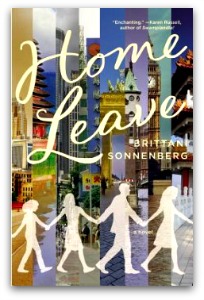
BRITTANI SONNENBERG, adult TCK, current expat and author of Home Leave (which we reviewed in November): I would pack the following books (assuming I’d be packing it for someone else, who hadn’t read them yet).
Sonnenberg_collage

The Dog, by Joseph O’Neill (Vintage, September 2014)
It’s a devilish, compelling take on cosmopolitan and expat life by the TCK author of Netherland. (Joseph O’Neill was born in Cork, Ireland, in 1964 and grew up in Mozambique, South Africa, Iran, Turkey, and Holland. He now lives in New York City.)

Ghana Must Go, by Taiye Selasi (Penguin, 2014)
This is an intimate examination of a splintered family, set in Accra, Lagos, London, and New York.

All My Puny Sorrows, by Miriam Toews (McSweeney’s, 2014)
One of the saddest and funniest books I’ve ever read; an honest, moving portrayal of sisters and mental illness.


CHRISTINE KLING, author of travel- and sailing-related thrillers: I’ve just finished up the edits on a the third novel in my Shipwreck Adventure series, and I’m looking forward to taking a bit of time off from writing and working at reading my way through some of the long list of books I’ve been wanting to read. The three books I’d take in my beach bag include two novels and a combination cookbook/memoir/travelogue.

The-Janissary-Tree_cover_x300The Janissary Tree, by Jason Goodwin (Sarah Crichton Book, 2006)
My husband and I are contemplating building a new boat in Turkey, and after our recent visit, I’ve fallen in love with the country. Jason Goodwin has written travel books, histories, and thrillers, and I’ve been waiting for the chance to begin reading his work. The Janissary Tree, winner of the 2007 Edgar Award for Best Novel, is the first in what is now his five-book series set in in the waning days of the Ottoman Empire’s Istanbul. The series features a very unique protagonist Yashim Togalu, a eunuch guardian. In this book, Yashim is called upon to investigate a series of crimes including murder and theft of jewels.

Marina_cover_x300Marina by Carlos Ruiz Zafón (Little, Brown Books for Young Readers, 2014)
The first book I read by this author was The Shadow of the Wind, which I often cite as one of my favorite books of all time. I knew Zafón had written a young adult novel that was published in 1999 and became a “cult classic” in Spanish, and since I enjoy good YA novels like the Harry Potter series and the Hunger Games, I was happy to see this book finally released in English in 2014. Marina is set in Barcelona around 1980 at the end of Franco’s regime. This gothic tale is touted as containing elements of mystery, romance and horror as a young boarding school boy meets the exotic, dark Marina. Together they embark on a series of adventures where they meet the kind of grotesque Barcelona characters Zafón does so well.

Sea-Fare_cover_x300Sea Fare: A Chef’s Journey Across the Ocean, by Victoria Allman (Norlightspress Com, 2013)
Years ago I worked as a chef on our owner-operated charter sailboat, and I know what it is like to have to create meals for demanding guests. Victoria Allman is in an entirely different category as she trained as a chef and has worked your years on multi-million dollar yachts. In Sea Fare, Allman has combined the tales from her beginning as a green Canadian chef looking for a job in the charter yacht industry to the joys of shopping in exotic markets from Italy to Vietnam. From the descriptions of her experiences on board the yacht, dealing with crew problems and falling in love with the captain, the stories are grand, but the recipes and the outstanding color photos of the food, will probably cut my trip to the beach short as I head home to try some new dish.


HEIDI NOROOZY, adult TCK, translator and author of multicultural fiction: I just returned from a research trip to Germany, and my choices seem to reflect that! (I went there because I’m writing a novel about an East German detective, Johannes Christian Alexander Freiherr von Maibeck—I know, it’s a bit of a mouthful—I created for a short story I once wrote. The setting is Leipzig, German Democratic Republic, 1981.)

The-Leipzic-Affair_cover_x300The Leipzig Affair, by Fiona Rintoul (Aurora Metro Press, May 2015)
Set in 1985, this novel tells the story of a Scottish student at Leipzig University who falls in love with an East German girl and stumbles into a world of shifting half-truths. Well written and fast paced, the story captures the atmosphere of its setting very well, a world where nothing is ever quite what it seems. As one reviewer writes: “The book is expertly written and seems to me to be a very comprehensive picture of what it was like to live in the East German state.” (Rintoul, a Scot who lives in Glasgow, gathered her material for the book by visiting East Germany and meeting a woman who had been imprisoned. She also looking at extracts of STASI files on people she met.)

Zoo-Station_cover_x300Zoo Station: Adventures in East and West Berlin, by Ian Walker (Atlantic Monthly Press, 1988)
British journalist Ian Walker, who once covered Central America for the Observer (and never managed to write his promised volume on Nicaragua), produced this travelogue on the two Berlins back in 1988. It depicts bohemian life in the once-divided city, where everyone seemed to be from somewhere else: West Berlin was full of Brits, Asians, Danes, Turks and East German exiles; East Berlin, of Anglo-Austrian expats. Walker’s descriptive narrative and reflections on the broader social issues of the day are what make this book stand out. As one of Amazon reviewer puts it:

Having read “Zoo Station”, I was able to understand why some people regarded East Germany as a pinnacle of socialist achievement, much more preferable to its capitalist twin in the West. It is good travel writing, and is both politically and culturally astute.

The-One-That-Got_Away_cover_300xThe One That Got Away, by Simon Wood (Thomas & Mercer, 2015)
Okay, this one isn’t about Germany, and I haven’t read it yet—but it’s at the top of my summer book bag. Tag line: “She escaped with her life, but the killer’s obsessed with the one that got away.” The story of two grad students in California who decide to take a road trip to to Las Vegas, this suspense novel deals with survivor’s guilt and is bound to be a thrilling ride. (Originally from England, Simon Wood lives in California with his wife.)

* * *

Readers, that’s it for this round; we’ll have another round on Friday (update: check it out here). Meanwhile, have you read any of the above and/or do you have summer reading recommendations to add? Please leave in the comments!

And if you need more frequent fixes, I urge you to sign up for the DISPLACED DISPATCH, which has at least one Recommended Read every week.

STAY TUNED for PART 2 of this post on July 3rd!

Beth Green is an American writer living in Prague, Czech Republic. She grew up on a sailboat and, though now a landlubber, continues to lead a peripatetic life, having lived in Asia as well as Europe. Her personal Web site is Beth Green Writes. She has also launched the site Everyday Travel Stories. To keep in touch with her in between columns, try following her on Facebook and Twitter. She’s a social media nut!

If you enjoyed this post, we invite you to subscribe to The Displaced Dispatch, a weekly round up of posts from The Displaced Nation and much, much more. Sign up for The Displaced Dispatch by clicking here!

Related posts:

BOOKLUST, WANDERLUST: In Shireen Jilla’s second novel, a group of old friends go on safari and unpack their lives

Booklust Wanderlust column for the Displaced Nation

Attention displaced bookworms! Our book review columnist, Beth Green, an American expat in Prague (she is also an Adult Third Culture Kid), is back with her latest recommended read.

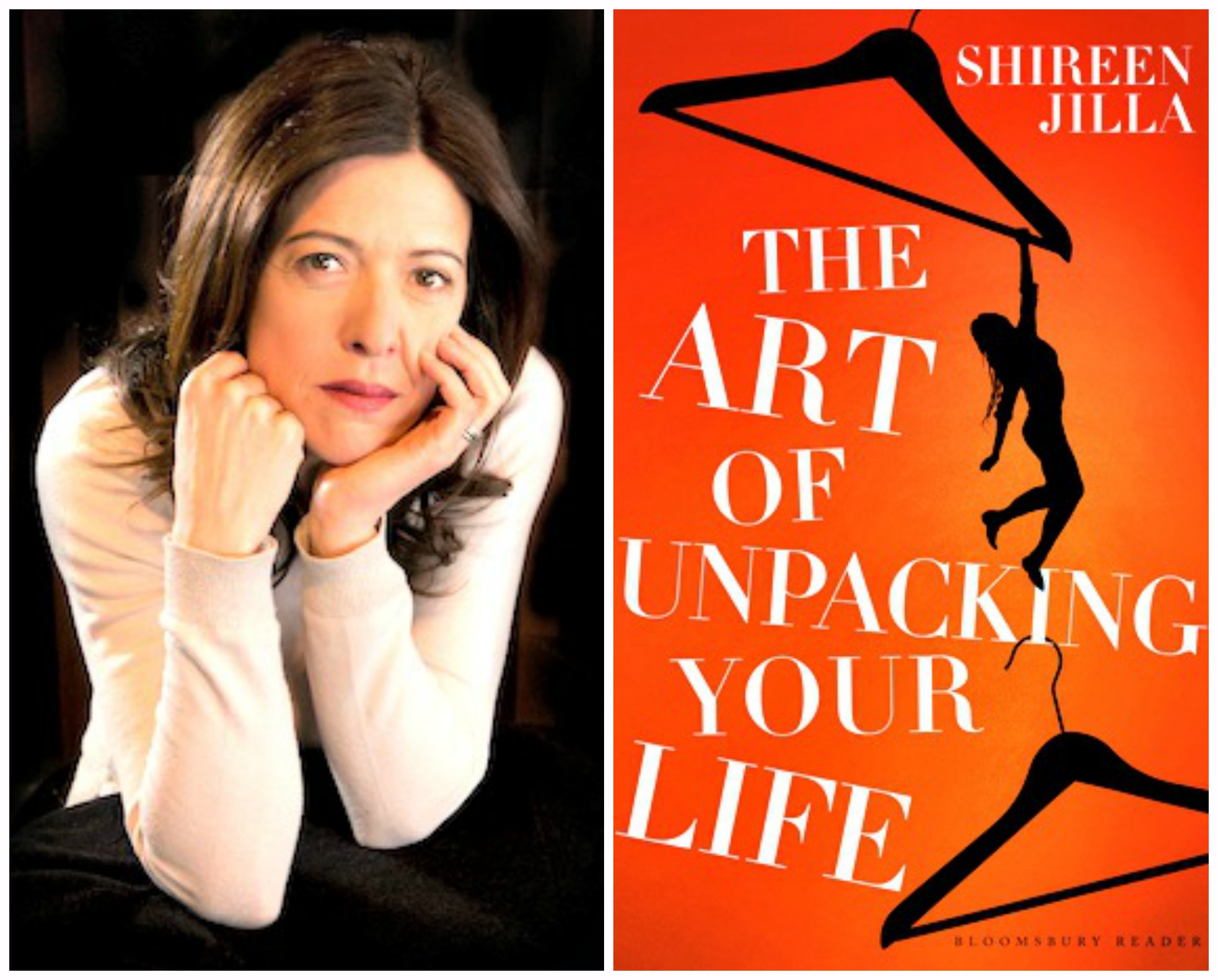
Hello Displaced Nationers! Do I have a treat in store for you this month! Shireen Jilla, whose 2011 psychological thriller, Exiled, was previously featured on the Displaced Nation, is with us again. She has written a new novel, The Art of Unpacking Your Life, which came out in March, and has graciously agreed to answer my questions about her latest work.

Shireen Jilla author photo and book cover for her second novel, The Art of Unpacking Your Life

Shireen Jilla author photo, by Francesco Guidicini (from her author site); cover art.

The book made our list of anticipated “displaced reads” for 2015. For those not in the know, it tells the story of what happens when an Englishwoman named Connie decides to celebrate her 40th birthday by organizing a group of her old university friends and their partners to go on an African safari.

But if Connie is the main character, she is not the only point-of-view character. She functions as the heart of the group—but, as we soon learn, doesn’t seem to manage her own affairs very well. To quote one of my favorite lines from the book:

“Connie was brilliant at life’s details, particularly other people’s life details.”

We all know someone like that, don’t we?

Many authors stick to similar genres and even similar stories but in her two books, Jilla has explored very different places and themes. Where Exiled is a thriller akin to Rosemary’s Baby—it centers on Anna, a British expat leading a privileged life in New York—Unpacking is The Big Chill set in an exotic landscape. Anna may feel isolated within the bustle of the Big Apple, but Unpacking‘s characters are faced with the Kalahari Desert, the kind of place where one must unpack one’s life, finding strengths as well as weaknesses.

Both stories are informed by Jilla’s own travels. An adult TCK and former expat, she has lived in Paris, Rome, and New York as an adult; and in Germany, Holland and England as a kid. (She is now back “home” in London.) And as a traveler, she has experienced firsthand the dry, unusual beauty of the South African bush she describes in Unpacking.

But enough introduction! Time to give Shireen Jilla the floor.

* * *

Hi, Shireen, and welcome back to the Displaced Nation. When we discussed your previous novel, you told us about how the cityscape of New York lent itself to writing a thriller. What made you go from New York’s hustle bustle to the stark, sparse landscape you describe in The Art of Unpacking Your Life? Why the Kalahari?
I had the characters in my mind for a long time. I wanted to explore my generation’s surprisingly disparate lives: single, divorced, gay, with children, successful, jobless. I needed them to be away from home, from their daily lives, unnerved and unsure and therefore open to exploring their issues. I tried setting the book in Sardinia because I know it well. But it wasn’t remote or dramatic enough to force them to “unpack” their problems. When I stepped out of an eight-seater plane into the vast orange heat of the Green Kalahari, I knew I had found my setting.

“Everything in Africa bites—but the safari bug, worst of all.” —Brian Jackman

Tell us more about that moment. I understand from another of your interviews that you went to the Kalahari with your brother?
Yes. My brother generously took me on what can only be called a trip of a lifetime to a private reserve, Tswalu, in the Northern Cape Province of South Africa, bang near the border of Botswana. I had never been to Africa before. So my own experience of this extraordinary trip coloured my story in Unpacking. I was surprisingly drawn to the Kalahari.

Connie and her friends started out in the same place—in a shared house at university—but when the book takes place, they’re all at different places in their lives and don’t appear to have much in common any more. One is a happy housewife, or so she thinks, another feels like success has passed her by both professionally and romantically, others want to start a family, while still others are recuperating from seeing their families crumble. Many books are written from the point of view of a single character, but you give us a glimpse into the thoughts of six multi-layered characters. Was it difficult to imagine how all these people would react to the same events—how they would react to travel?
Thank you for asking this question. It touches the heart of the novel. I wanted to tell this story from the point of view of each of the main six characters because I am fascinated by how differently people read, and react to, the same events. I was inspired by Virginia Woolf’s Mrs Dalloway, which roams from character to character, from paragraph to paragraph. That said, I wasn’t keen to jump around that much, so each chapter in Unpacking is told from a different character’s point of view. I loved writing the same scene from different points of view. It gave me a great sense of freedom.

“Africa is mystic; it is wild; it is a sweltering inferno…” —Beryl Markham

Many of our readers are international creatives, so I’m asking this with them in mind: how do you capture inspiration while you travel? 

“Instead they snapped away, looking up periodically from their cameras, as if undecided whether photo memories or physical ones were more powerful.”

This line in Unpacking reflects my own feelings. While in Africa, I kept a detailed diary and took hundreds of photos, a selection of which are on my author’s site. Having started life as a journalist, I also bought books and talked extensively to the guides. I used all of this material for Unpacking, which I believe is faithful to the actual setting.

In the book, Connie and her group have a very dramatic encounter with one of the animals in the park and the friends’ various reactions reveal their state of mind. Did you have any big-animal encounters during your Africa adventure? 
Thankfully not! The scene was imagined.

Giraffe & Namibian sand Collage

A silent, self-contained Kalahari giraffe and blood orange sands make it into Shireen Jilla’s novel about a group of friends on an African safari. Photo credits: Male giraffe, by Charles Sharp, and Silhouettes in Sossusvlei, by Monica Guy, both via Flickr (CC BY 2.0).

“The more I traveled, the more I realized, fear makes strangers of people who should be friends.” —Shirley MacLaine

As I mentioned in the introduction, you grew up a Third Culture Kid and you’ve also been an expat. Is there anything from your experiences living abroad as a child and an adult that worked its way into this book?
From own experience, I am acutely interested in how people react to being outside their comfort zone. Living or traveling abroad is a very visceral way of exploring this theme. With Unpacking, I wanted to place a group of close friends, who haven’t traveled extensively, into a remote, unnerving location. For me, it gives the novel its heartbeat.

I’m an Adult Third-Culture Kid, too (and an expat currently), and one of the things that I found remarkable in this book is the close cohesion of a group of people who met at an early stage of their adult lives—not always something we TCKs can find! I’m curious. Do you have a group of friends like Connie’s?
Actually, I have a varied and disparate group of old friends from many places and stages in my life. What I drew on in Unpacking is the notion that one can still feel intensely loyal to old friends, despite growing in different directions. But no, I’ve never planned a big trip with old friends as Connie does.

I noticed that within the group of friends you’ve created, there are two cross-cultural relationships. I enjoyed watching the conflicts from their opposing cultures arise in their relationships. Was this something you set out to capture from the beginning?
This is an interesting question. I haven’t consciously created two cross-cultural relationships. But I am clearly fascinated by and drawn to them. I loved writing both relationships, particularly exploring the cultural misunderstandings between the English friends and New Yorker Katherine.

“Travel and change of place impart new vigor to the mind.” —Seneca

So far you’ve given us two great books based on interesting locations—New York and South Africa. What’s next? Will you follow up with Connie and her friends in another novel? Take your readers on a new adventure somewhere else?
I’m normally adverse to sequels, but I would actually love to write another novel based on the same characters. I’m not ready to let any of them go. I am deeply attached to them all. And I would also enjoy the challenge of another new setting abroad. It’s like moving country. Always exciting.

Lastly, my favorite question for everyone—what are you reading at the moment? Any suggestions for good books that might appeal to the Displaced Nation audience?
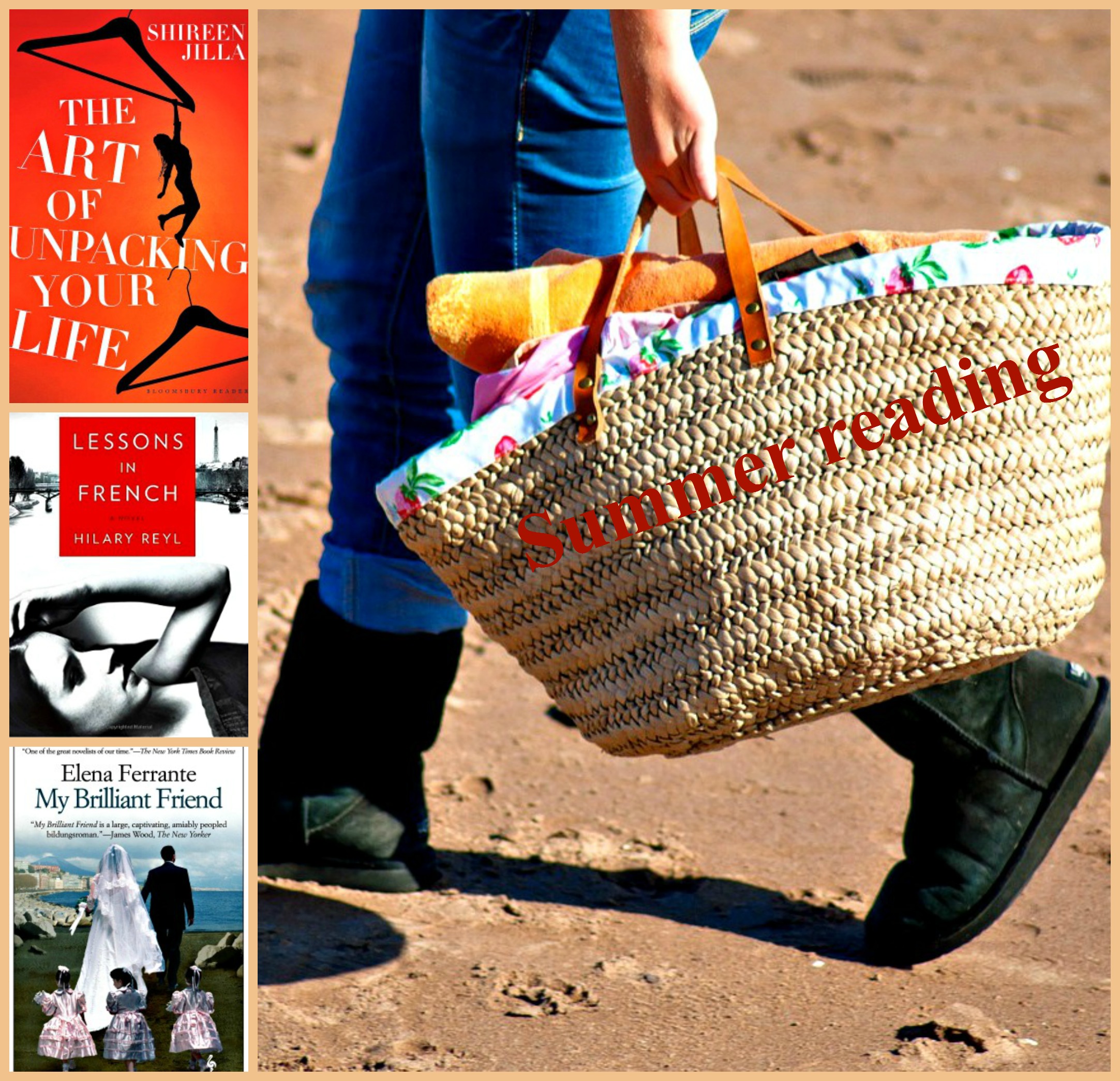
I am currently reading New York writer Hilary Reyl’s Lessons in French. The novel is an absorbing coming-of-age story about an American girl who does work experience with a demanding photographer in Paris. It’s an evocative, lyrical read for all expats. Elena Ferrante’s My Brilliant Friend, is another addictive page turner that lights up a poor working class community in fifties Naples.

Thanks, Shireen, I’ll check those out! And readers, if you’re selecting books for your summer reading list, I suggest you pack Unpacking in your beach bag! Or on your Kindle, more likely… 🙂

Beach bag via Pixabay.

Don’t go to the beach without Shireen’s book and at least one of her recommended reads! Beach bag via Pixabay; book cover art.

* * *

And now Displaced Nationers, it’s your turn to answer some questions. And have you ever tried traveling with friends? Did you pick up any insights about them and/or about yourself? Do let us know in the comments!

Beth Green is an American writer and English teacher living in Prague, Czech Republic. She grew up on a sailboat and, though now a landlubber, continues to lead a peripatetic life, having lived in Asia as well as Europe. Her personal Web site is Beth Green Writes, and she is about to launch a new site called Everyday Travel Stories. To keep in touch with her in between columns, try following her on Facebook and Twitter. She’s a social media nut!

STAY TUNED for the next fab post!

If you enjoyed this post, we invite you to register for The Displaced Dispatch, a round up of weekly posts from The Displaced Nation, and SO much more. Register for The Displaced Dispatch by clicking here!

Related posts:

Photo credit (top of page): “Notebook in hand,” by Oleh Slobodeniuk via Flickr (CC BY-NC-SA 4.0).

BOOKLUST, WANDERLUST: Meet me in Atlantis—Mark Adams’ globetrotting search of the ultimate ancient mystery

Booklust Wanderlust Collage

Left: Oleh Slobodeniuk (CC BY-NC-SA 4.0); right: Beth Green (her own photo).

Attention displaced bookworms! This month our book review columnist, Beth Green, an American expat in Prague (she is also an Adult Third Culture Kid), is exploring a new book in one of her favorite genres, mystery—only this time the mystery has to do with an ancient place and travel.

—ML Awanohara

Hello again, Displaced Nationers!

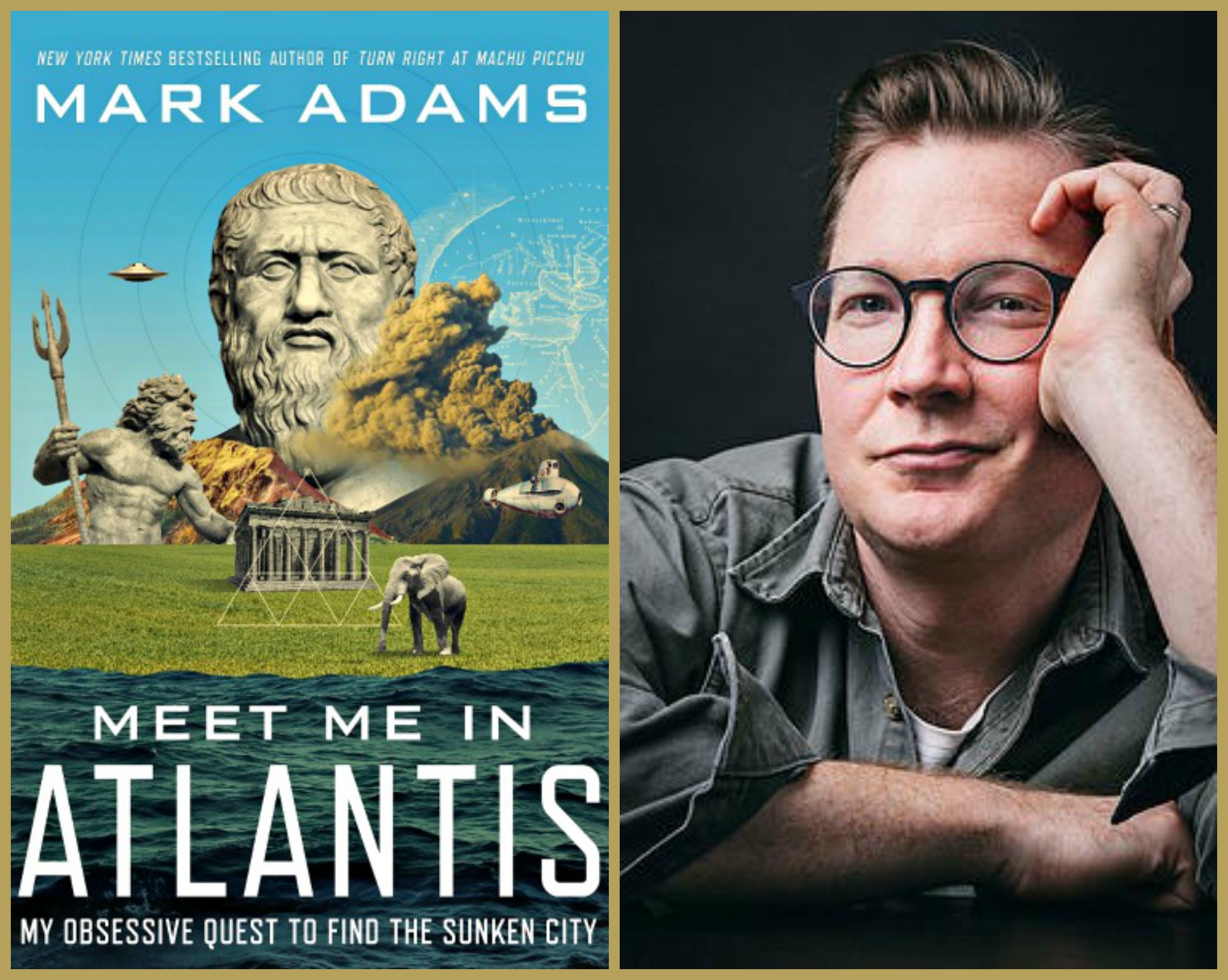
Here in Europe, the spring weather has me in a mood for getting outdoors and exploring—but, alas, I’ve been inside submerged in this month’s book pick, Meet Me in Atlantis: My Obsessive Quest to Find the Sunken City, by Mark Adams, which has just the right ingredients to appeal to international creatives. After all, didn’t we all venture abroad looking to solve at least one mystery and/or locate a utopian society?

Adams, who spent his career editing adventure and travel magazines, says he thrives on combining “travel writing with deep research and reporting.” (He is the bestselling author of two previous nonfiction books: Turn Right at Machu Picchu and Mr. America, a biography of “muscular millionaire” Bernarr Macfadden.)

Meet Me in Atlantis came out in March, and, yes, Adams does take a deep dive into uncovering the real story behind this fabled sunken city! As he puts it:

…this is a detective story, one that starts in ancient Greece and follows a twisting path through (to list just a few locations) Pharaonic Egypt, Nazi Germany, and contemporary Saint Paul, Minnesota.

Sinking one’s teeth into the Atlantis story

The mystery Adams is trying to solve isn’t so much a “who” or a “where” as a “why” and a “how”. Why do people keep trying to find the legendary city of Atlantis? And how did it get lost, anyway?

Book cover; author photo: Joshua Scott.

Book cover; author photo: Joshua Scott.

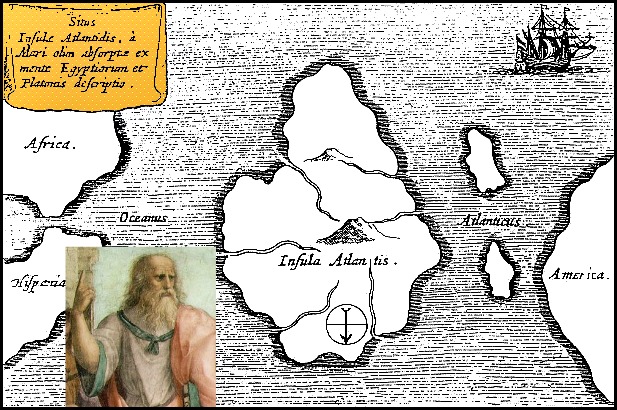
Adams starts off, as any good detective would, at the scene of the crime—two dialogues written by Plato more than 2,000 years ago, Timaeus and Critias. According to Plato, Atlantis represents the antagonist naval power that besieges “Ancient Athens”—the pseudo-historic embodiment of Plato’s ideal state. Athens is able to repel the Atlantean attack, thereby proving its superiority.

Inset: Raphael's Plato.

German scholar Athanasium Kircher’s map of Atlantis, in the middle of the Atlantic Ocean (south is at top). From Mundus Subterraneus. 1669. Inset: Raphael’s Plato (detail). Both photos licensed under Public Domain via Wikimedia Commons.

Plato’s descriptions of the society—lost even when he wrote about it—serve as a textual treasure map. Among the features mentioned are “the rings, the earthquakes, the elephants, the location outside the Pillars of Heracles.”

It’s these seemingly concrete details that have enticed a whole group of people, known as Atlantologists, to search for the ruins of the island nation, which, as legend has it, fell out of favor with the gods and submerged into the Atlantic Ocean. And it’s the absence of other sources—every single clue comes from Plato—that makes the search so hard, some would say infuriating.

Meet today’s Atlantis sleuthhounds

Atlantologists (doesn’t exactly trip off the tongue!) are more numerous than I’d realized. Adams’ interviewees range from historians, archeologists and geologists whose work loosely concerns Atlantis, to laypeople who find themselves caught up in the mystery of the lost city.

Now, I’m the kind of person who loves to seek out obscure places that catch my attention for some reason. Once when I was living as an expat in China, I spent a few days with my partner without a map or Internet access trying to find packed-mud forts built hundreds of years ago by Hakka clans in the Guangdong countryside. Another time, in Inner Mongolia, we took a bus 10 hours across the desert each way to find a specific grove of poplar trees my partner had once heard about at a dinner party three years before. (How we even managed to remember the trees after the beer consumed at the dinner is another mystery!)

But I digress. Returning to Adams’ book: for me, the most entertaining aspect are the people. I appreciated his light-hearted touch when presenting the cast of modern-day characters who continue searching for Atlantis.

For instance, he describes one of the historians he interviews as follows:

Coleman looked like a Broadway casting director’s idea of a state librarian—tall, white-haired, tie askew. His office was as comically perfect as a stage set, too: precarious piles of ancient hardbound books, sepia maps of Minnesota on the walls…

Another Atlantologist is so intent on explaining data, he misses Adams’ repeated requests to use the restroom. Several characters he interviews don’t want to be known as Atlantologists at all—it’s regarded as pseudoscience by many academics.

“The great Egyptian age is but a remnant of the Atlantian culture…” (from the song “Atlantis,” by Donovan Leitch)

But wait, Adams isn’t writing a spoof but an exhaustive book on the Atantis myth. Light-hearted he may be, but it soon becomes clear he wants his readers to care as much as he does about the whether or not Atlantis existed. He includes sections on Pythagoras, on warring peoples, on ancient catastrophes, and on the question of whether an ancient scribe could have transposed numbers. And, though it would be satisfying to suddenly debunk the Atlantis myth as a series of typos or an allegory using math as symbols, Adams remains skeptical. He also doesn’t give much credence to the new theories about Atlantis that have cropped up in the last 10 years (more than in the past 2,400 years thanks to tools like GoogleEarth).

Adams wouldn’t approve, but my personal favorite is the one that was propagated by a 19th-century ex-U.S. congressman from Minnesota. Sometimes referred to as the “father of the 19th-century Atlantis revival,” Ignatious Donnelly published a pseudo-scientific book Atlantis: The Antediluvian World forwarding the idea that the existence of Atlantis would explain supposed similarities between ancient civilizations of the Old and New Worlds. As Adams recounts:

Pyramids stretching from Egypt to Peru to India to Mesoamerica indisputably share an Atlantean source despite their having been built in hugely different styles over thousands of years. The use of bronze, mummification of the dead similarities of language—Donnelly assembled every available scrap of evidence to support his diffusionist idea of a benevolent ur-Atlantis spreading its wisdom to the far corners of the globe.

Adams has no time for a theory that says all the sophistication found in the world descends from a single Mother Culture. And of course he is right. Donnelly must have been a bit of a kook, and a condescending one at that.

Getting that sinking feeling…this mystery may never be solved!

Like all good detectives, Adams sticks close to the original source, Plato, and tries to make sense of the 2,000-year-old evidence.

After a conversation particularly dense with particulars and logical arguments, one interviewee brushes off one of Adams’ questions with a smile. “I think Plato maybe made a joke,” he tells him.

But Adams doesn’t agree. He sets out to visit Tony O’Connell, an Irishman who runs a project called The Atlantipedia. He ends up spending a week with Tony in rural Ireland, during which they narrow down the number of plausible theories about the location of Atlantis to four: southern Spain, Malta, Santorini, or Morocco. Notably, none of them are in the Atlantic Ocean, the original Platonic setting.

In sum Meet me in Atlantis is worth reading not only for its insights on the culture of Atlantology but also for the way Adams weaves philosophy, archeology, recorded history, geology and more into his investigation. I enjoyed the book’s sections on map-making, sea trade and old legends, but the part that really got my imagination going was the discussion of natural disasters. If there was an Atlantis, what happened to it? Was it wiped out by a volcanic explosion? Slammed by a tsunami? Swallowed by an earthquake? Devastated by plague? Warfare? Or, simply, did the society decline until it was no longer known by its former glory? Could Atlantis still be thriving—under another name?

By the end I wanted more. As Adams said in a recent Ask Me Anything (AMA) discussion on Reddit: “The thing about a topic like Atlantis is that you come across so many ‘holy crap’ moments that you can’t fit them all in a book.”

And perhaps that’s the best kind of mystery, the head-scratcher that may never be solved, that always leaves you wanting to search for one more piece of evidence. Adams had that kind of mystery in Manchu Picchu: the structure whose purpose no one can explain. And he has found it again in Atlantis: the kingdom for which we have a description but no physical evidence.

* * *

That’s all for this month, Displaced Nationers! Have you ever read a book that references an obscure site and been inspired to go on a madcap quest to find it? Do tell in the comments!

Beth Green is an American writer and English teacher living in Prague, Czech Republic. She grew up on a sailboat and, though now a landlubber, continues to lead a peripatetic life, having lived in Asia as well as Europe. Her personal Web site is Beth Green Writes, and she is about to launch a new site called Everyday Travel Stories. To keep in touch with her in between columns, try following her on Facebook and Twitter. She’s a social media nut!

STAY TUNED for the next fab post!

If you enjoyed this post, we invite you to register for The Displaced Dispatch, a round up of weekly posts from The Displaced Nation, and much, much more. Register for The Displaced Dispatch by clicking here!

Related posts:

BOOKLUST, WANDERLUST: When what happens in a third culture refuses to stay there: Allen Kurzweil’s “Whipping Boy”

Booklust Wanderlust Collage

Left: Oleh Slobodeniuk (CC BY-NC-SA 4.0); right: Beth Green (her own photo).

Attention displaced bookworms! Our book review columnist, Beth Green, an American expat in Prague (she is also an Adult Third Culture Kid), is back with a rather unusual selection: a memoir that reads like crime fiction. The author, but of course, is an international creative. Enjoy!

—ML Awanohara

Hello again, Displaced Nationers!

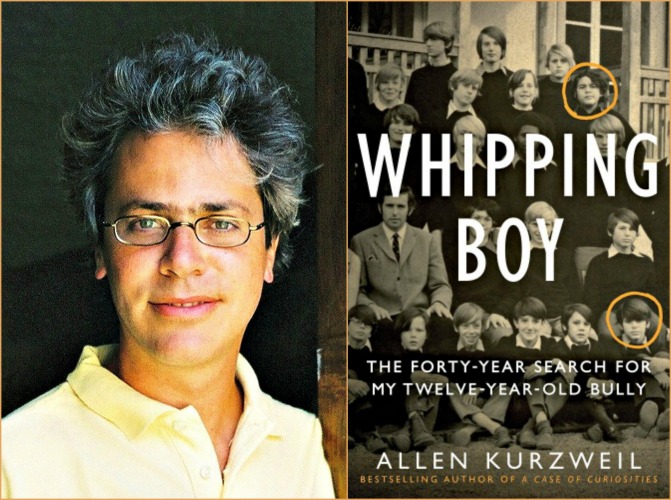
Our Booklust, Wanderlust roundtable series left me with such a wide selection of books to read that I’m only just now coming up for air. This month I’d like to tell you about Whipping Boy: My Forty-Year Search for My Twelve-Year-Old Bully, by the bestselling novelist Allen Kurzweil—which our own ML named as one of the books on her radar in early 2015.

Well, Whipping Boy is out, and it’s a cracking (so to speak) read!

"Allen Kurzweil Wiki2007," by Allen Kurzweil - an image provided by Allen Kurzweil. Transferred from en.wikipedia by SreeBot. Licensed under CC BY-SA 3.0 via Wikimedia Commons.

TCK author Allen Kurzweil & his memoir. Photo credits: “Allen Kurzweil Wiki2007,” by Allen Kurzweil – an image provided by Allen Kurzweil. Transferred from en.wikipedia by SreeBot. Licensed under CC BY-SA 3.0 via Wikimedia Commons.

Kurzweil has produced a memoir that deals with deep emotions dating back to his displaced youth—but that still manages to flow fast and fun like an international thriller. As marketing whiz Kat Gordon put it in a recent tweet:

Hanging on every word of @AllenKurzweil memoir “Whipping Boy.” A whodunit + fairytale in one.

In the fairy tale portion, we watch as our hero, age ten, attends a British-style boarding school perched on an alpine meadow high above Geneva. All goes well until he meets the dastardly Cesar (full name Cesar Augusto Viana), who torments him mercilessly. When our hero grows up, he resolves to track down and confront his childhood nemesis, however long it takes…

The whodunit starts the moment Kurzweil discovers that Cesar has become a leading figure in an international fraud scheme. At that point he converts into an investigative journalist, leaving no stone unturned in his quest to find out how many victims the adult Cesar has racked up.

Before saying anything more about the book, I should point out that Kurzweil is an adult Third Culture Kid. His parents were Jewish émigrés from Vienna to New York City. The family relocated to Milan, Italy, when Kurzweil was young, but he spent his teen years back in New York. He got his education at Yale and the University of Rome and then worked for ten years as a freelance journalist in France, Italy, and Australia before settling back in the United States with his French wife and son.

Kurzweil’s previous works include two novels and a children’s book inspired by his son’s preschool bully. The Whipping Boy has also been excerpted and condensed in the New Yorker.

“In 1971, I met a boy who changed my life forever.”

Kurzweil roomed with Cesar—a burly Filipino rumored to be the son of Ferdinand Marcos’s head of security—at the exclusive Aiglon College, in Villars, Switzerland, for the better part of a year, while Kurzweil’s mother was “test-driving her third husband.” (Kurzweil’s father died of cancer when he was five.)

Kurzweil loved the idea of the school—his deceased father had adored the Alps and mountaineering. But he hated boarding, particularly at night, when Cesar and his stooges would subject him to all manner of hazing. They forced him to eat hot pepper sauce, stole his things (including his most prized possession, his father’s Omega Seamaster watch), taunted him with anti-Semitic slurs, and at one point whipped him with a belt while playing “The 39 Lashes” from Jesus Christ Superstar (Kurzweil was Jesus).

Some form of bullying in schools is universal, but when the kids are internationals, and boarders—dealing with the losses of worlds they have loved (which in Kurzweil’s case was tied to the loss of his dad)—things can get even more intense, something non-TCKs may not appreciate.

Fortunately, though, Kurzweil has a sense of humor. In this book he never misses a chance to point out that life, even when traumatizing, has its comic moments.

“It didn’t take long to shed the habits I’d picked up in Switzerland.”

After a year at the school, Kurzweil moves back to New York City, and quickly re-acculturates:

“[My mother and I] returned to New York, where the plimsolls, anoraks and rucksacks I wore at Aiglon reverted to sneakers, parkas and backpacks. I no longer had to address my teachers as sir and ma’am.”

But while Kurzweil displays the TCK’s resilience in adjusting back to life in the U.S., happy to get rid of the crossbars on his “7s” and scuttle his schooner-sail “4s”, he cannot let go of his memories of Cesar so easily. He harbors an obsession, which grows worse with the years, even (especially?) after he finds success as a writer.

When he learns that his boyhood enemy is most probably a con man working for a shady “royal”-family-led corporation named Badische (pronounced “Baddish,” Kurzweil notes slightly gleefully) that runs investment “schemes” for hard-up New York one-percenters, Kurzweil becomes unstoppable:

Obsessives tend to have obsessions. Cesar wasn’t my first fixation, and I’m sure he won’t be the last. Baseball cards, Matchbox cars, Pez dispensers—I’ve always been a collector…my point is I tend to go overboard. I investigated Cesar and Badische the same way I collected Lincoln pennies—intent on filling every void.

“…I began to acknowledge the obvious: Cesar had taken over my life.”

His investigations span decades and continents, and throughout it all he is haunted by memories of Cesar:

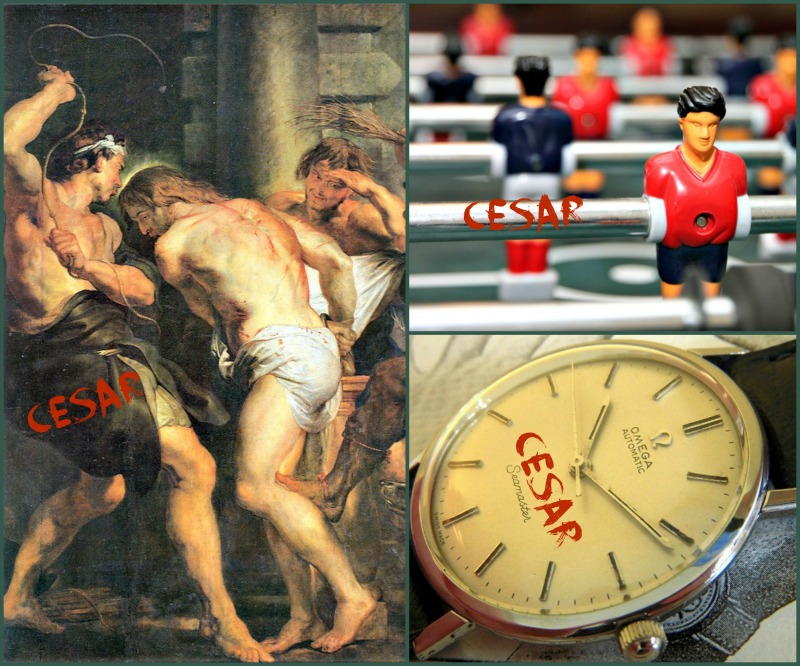
At the back of a dingy bar in Alice Springs, a pair of drunks playing foosball recalled my ex-roommate’s unstoppable bank shot. In Vienna, hanging on the wall of the Kunsthistoriches Museum, a Flagellation of Christ reinvoked the musical whipping. Hot sauce, Andrew Lloyd Weber tunes, Ferdinand Marcos, Montblanc fountain pens, and more than anything else, vintage Omegas, had me reaching for the journal.

The Ubiquitous Cesar. Photo credits (clockwise from left): “Flagellation-of-christ-Rubens” by Peter Paul Rubens (licensed under CC BY-SA 3.0 via Wikimedia Commons); foosball, byrev via Pixabay; Omega watch, ephotographythemes via Pixabay.

Kurzweil shares with the reader his mixed emotions when he at last finds Cesar, wondering what to say to someone who may not even remember him. And then the fear returns—the fear that he experienced as a shy boy being whipped with a belt in his dorm room…only now it is morphing into an adult fear as Kurzweil realizes he has tracked down an actual criminal:

Fake knights. False banks. Imaginary kingdoms. These guys travelled on bogus passports. They hosted lavish dinner parties at five-star hotels. They performed knighting ceremonies. (When I interviewed the assistant U.S. attorney who filed the initial charges, he summed up the crime as Dirty Rotten Scoundrels meets Clue.)

“So, basically, I’m being blamed for your memories?”

Whipping Boy was a quick, satisfying read. I loved the truth-is-stranger-than-fiction details that Kurzweil unearths about Cesar and his company’s schemes.

I loved his humor.

I also enjoyed the quiet pauses when Kurzweil would describe personal moments having nothing to do with the hunt for Cesar: for example, when he met his wife in outback Australia:

A French anthropologist named Françoise Dussart spotted me wandering toward a sacred site off limits to visitors. Concerned for my safety, she drove up and warned me away. She was sitting in the cab of a Toyota Land Cruiser and cradling a baby kangaroo. How could I not fall in love?

And then:

She flew west, from Alice. I flew east, from New York. We met each other halfway, in Paris, broke and in love.

Juanchito via Pixabay[http://pixabay.com/en/kangaroo-australia-jump-creature-250873/]; talitaraquel via Pixabay[http://pixabay.com/en/eiffel-tower-paris-france-tower-350453/]. License: CC0 Public Domain[http://pixabay.com/en/service/terms/#download_terms]

From kangaroo love to love in the City of Light. Photo credits: Australian kangaroo, Juanchito via Pixabay; Eiffel Tower, talitaraquel via Pixabay. License: CC0 Public Domain

I further appreciated his candor in admitting that two people can remember the details of an event differently, particularly when one of them is a psychopath with a chip on his shoulder. As Cesar puts it when they finally meet up again for the first time:

“I recall a lot… But just in bits and pieces. There are some things that people have told me about that I really don’t remember. You might need to prod me a bit.”

I would particularly recommend the book to those who like stories about heists or con artists—the movie American Hustle has some parallels—as well as to anyone who has harbored a fantasy of facing down a childhood bully.

Kurzweil may be beaten but he isn’t conquered, and that’s an inspiration to victims everywhere.

But most of all I appreciated Kurzweil’s understanding that for us TCKs, what happens in a third culture doesn’t always stay in a third culture. Some readers may wonder why Kurzweil couldn’t leave his bullying experience behind, particularly as it happened overseas, in a country to which he had limited personal ties. But for Third Culture Kids, the floating world of the expat is as real as it gets. And, as Kurzeil’s story shows, what happens there can have a life-long impact.

* * *

Fellow TCKs, do you have a Cesar or other skeletons in your cupboard dating back to your school days, at an international school or boarding school? Do tell!

Till next time!

Editor’s note: All subheds are quotes taken from Allen Kurzweil’s New Yorker article.

Beth Green is an American writer and English teacher living in Prague, Czech Republic. She grew up on a sailboat and, though now a landlubber, continues to lead a peripatetic life, having lived in Asia as well as Europe. Her personal Web site is Beth Green Writes, and she is about to launch a new site called Everyday Travel Stories. To keep in touch with her in between columns, try following her on Facebook and Twitter. She’s a social media nut!

STAY TUNED for the next fab post!

If you enjoyed this post, we invite you to register for The Displaced Dispatch, a round up of weekly posts from The Displaced Nation, and much, much more. Register for The Displaced Dispatch by clicking here!

Related posts:

BOOKLUST, WANDERLUST: 2014–2015 books recommended by expats & other international creatives (2/2)

Globe Bookshelf Part TwoHello Displaced Nationers! As those who caught Part One of this post last week will know, we are continuing the party we had at the end of last year in publishing a Best of 2014 in expat books list by soliciting various international creatives and other “displaced” contacts for more recommended books.

In Part One, several of my bookworm friends from a previous blog, Novel Adventurers, along with ML and JJ Marsh (JJ writes the Location, Locution column for Displaced Nation), revealed their favorite 2014 reads.

In Part Two, below, kicking off with yours truly, we talk about releases we’re hotly anticipating this year.

A “forthcoming reads” roundtable, if you will.

—Beth Green

* * *

BETH GREEN: I actively search out books by Elizabeth George, the American author of the Inspector Lynley mystery novels set in Britain, and Elizabeth Gilbert, who achieved fame with her travel memoir, Eat, Pray, Love. 2015 is a great year for me as both Elizabeths have books coming out.

A_Banquet_of_Consequence_300s_coverA Banquet of Consequences (Inspector Lynley Book 19), by Elizabeth George, due out in October.
Synopsis: Lynley and Havers are drawn from Cambridge to London to the windswept town of Shaftesbury during one of their most complex cases yet: the murder of a feminist writer and speaker.
Why I’m excited: Though actually not in the “expat” realm, I have to confess it’s the book I’m most looking forward to reading. I’m a huge fan of George’s diverse characters and elaborate stories.

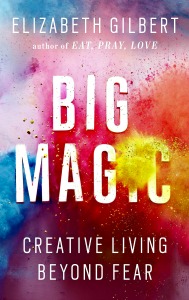
BigMagic_cover_300Big Magic: Creative Living Beyond Fear, by Elizabeth Gilbert, due out in September.
Synopsis: Gilbert digs deep into her own creative process to share her wisdom and unique perspective about creativity.
Why I’m excited: As some readers may recall, I reviewed her novel The Signature of All Things last fall for this column. It seems that Gilbert is now turning her hand to self-help/motivational books for us creatives. I’m intrigued, and I figure other international creatives should be as well.

Three other upcoming books, by authors I’ve not come across before, have also caught my eye:

Displacement_cover_300Displacement, by Lucy Knisley, due out February 8th.
Synopsis: A graphic-novel-style/comic-book travelogue reporting on a cruise ship trip to the Caribbean Knisley took with her grandparents.
What interests me: Even though I seldom read graphic novels, I’m curious to pick it up, especially given its title(!). Knisley has two previous travelogues in graphic form: French Milk (her six-week trip to Paris to celebrate a milestone birthday) and An Age of License (her all-expenses trip to Europe/Scandinavia).
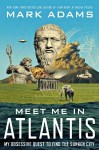
Meet_Me_in_Atlantis_cover_300Meet Me in Atlantis: My Obsessive Quest to Find the Sunken City, by Mark Adam, due out in March
Synopsis: A few years ago, travel writer Mark Adams made a strange discovery: everything we know about the lost city of Atlantis comes from the work of one man, the Greek philosopher Plato. Then he made a second, stranger discovery: amateur explorers are still actively searching for this sunken city all around the world, based entirely on the clues Plato left behind. Adams decides to track these people down. He reports on what he learns from scientists and amateur historians who all share his curiosity about the facts and fiction surrounding the “lost city.”
What interests me: Count me in that curious group!

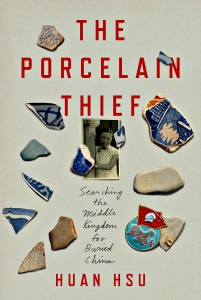
The Porcelain Thief: Searching for the Middle Kingdom in Buried China, by Huan Hsu (forthcoming in March).
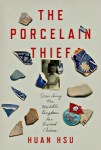
The_Porcelain_Thief_cover_300Synopsis: The author, raised in Utah, goes back to his ancestral homeland in China, in part to look for porcelain and other treasures his great-great-grandfather may have buried before the family fled the Sino-Japanese War.
What interests me: As a former expat in China, I love anything about this part of the world, and this displaced family saga sounds particularly fascinating!


ML AWANOHARA: I am always on the lookout for books that could be of interest to the Displaced Nation readership. (Whether I end up reading them or not is a different matter!) I’m sure this is just the tip of the iceberg, but thus far in 2015 I have my eye on one novel and several memoirs.

First, the novel:

The_Art_of_Unpacking_Your_Life_cover_300The Art of Unpacking Your Life, by Shireen Jilla (forthcoming in March)
Synopsis: A million miles away from their daily concerns, on a safari in the Kalahari Desert, two women who were once best friends see if they can reconnect.
What interests me: We featured Jilla’s first novel, Exiled, on the Displaced Nation shortly after we started the site as we were curious to as to why, after her own expat life in New York City, she had produced such a dark, dysfunctional family psychodrama concerning a British expat family living on the Upper East Side of New York. (Her answer was extremely satisfying!)

As to memoirs, here are three that were issued in January:
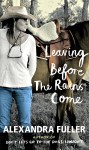
Leaving_Before_the_Rains_Come_cover_300Leaving Before the Rains Come, by Alexandra Fuller (came out in January)
Synopsis: A child of the Rhodesian wars and daughter of two deeply complicated parents, Alexandra Fuller is no stranger to pain. But the disintegration of her own marriage leaves her shattered. Looking to pick up the pieces of her life, she finally confronts the tough questions about her past, about the American man she married in hopes of being saved from the madness of her early life, and about the family she left behind in Africa.
What interests me: I so enjoyed Fuller’s first memoir, Don’t Let’s Go to the Dogs Tonight, about growing up in a white family during the Rhodesian Bush War, I have come to think of her as a modern-day displaced heroine, or goddess: larger than life, an extraordinary mix of beauty and brains, out of this displaced world… (Hmmm… No wonder her marriage to a mere mortal didn’t last.)

Russian_Tattoo_cover_300Russian Tattoo: A Memoir, by Elena Gorokhova
SYNOPSIS: In her first memoir, A Mountain of Crumbs, Gorokhova detailed her life growing up with an iron-willed mother in Soviet-era St. Petersburg. In this follow-up, she escapes both mother and country by entering into an unsuitable marriage with an American. When her husband first brings her to live in Austin, Texas, the culture shock is extreme. He then ships her off to Princeton to live with his psychotherapist mother. There she meets her second husband and a happier future.
WHAT INTERESTS ME: Maybe because I lived abroad for so long and then had to readjust to life in the U.S., I identify very closely with immigrant stories. And for personal reasons, I’m always attracted to stories that revolve around the challenges of cross-cultural marriage.

Whipping_boy_cover_300Whipping Boy: The Forty-Year Search for My Twelve-Year-Old Bully, by Allen Kurzweil
SYNOPSIS: As a 10-year-old American shipped to a Swiss boarding school, Kurzweil endured a year of torment. Years later he set out to search for the chief bully, Cesar, who, it turned out, had gone to prison twice, having become a professional con man. In circling the globe to find Cesar, Kurzweil stands up for all who’ve been the victim of bullies.
WHAT INTERESTS ME: As we’ve always recognized on this site, some of us who are “displaced” have gothic tales to tell. Thank goodness in this case the villain picked on a man who was destined to become a world-class writer, hence able to exact an exquisite revenge.

Finally, I just now heard about another memoir whose title alone has me panting to know more: The Dead Ladies Project: Exiles, Ex-Pats and Ex-Countries, by litblog founder and book reviewer Jessa Crispin, who moved to Berlin in 2009. It’s due out in September; no book cover yet.


JJ MARSH, crime series author and Displaced Nation columnist (Location, Locution): I have a novel and a poem on my list, along with one publishing house.

A_Spool_of_Blue_Thread_300A Spool of Blue Thread: A Novel, by Anne Tyler (forthcoming this month).
Synopsis: It’s not an expat story but rather the opposite: a domestic family saga. The family, Whitshanks, have lived in Baltimore for several generations.
What interests me: Tyler wrote The Accidental Tourist (about the ultra-insular Leary family, who also live in Baltimore) and I’m curious.

“Sentenced to Life”, by Clive James (James, for those who don’t know, is an Australian writer and personality who has long lived in Britain.)
Synopsis: It’s one of James’s recent poems, published in May of last year, and can be read in full on her author site.
What interests me: I heard James on the radio talking about writing poetry about facing death and it humbled me.

I also look forward to whatever Galley Beggar Press puts out because they’re exciting and adventurous and try things other publishers will not. This strategy paid off with their Baileys Prize success of A Girl is a Half-Formed Thing by Eimear McBride last year.


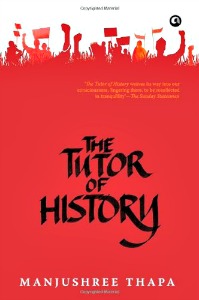
The_Tutor_of_History_cover_300HEIDI NOROOZY, adult TCK, translator and author (@heidinoroozy): This year I’ve resolved to read more books in translation and stories from far-flung parts of the world. And, as I enjoy novels set in foreign locations that are told in local voices, I’ve got these two on my list:

The Tutor of History, written in English by the Nepali author Manjushree Thapa
SYNOPSIS: One of South Asia’s best-known writers, Thapa follows the lives of a variety of characters in the lead-up to local and national elections in a small town in central Nepal.
NOTE: This novel came out in 2012, but I haven’t gotten round to reading it yet.

The_Little_Paris_Bookshop_cover_300The Little Paris Bookshop, by the German author Nina George (forthcoming in English in June).
SYNOPSIS: Monsieur Perdu calls himself a literary apothecary. From his floating bookstore in a barge on the Seine, he prescribes novels for the hardships of life. The only person he can’t seem to heal through literature is himself…but will he manage to do that on a mission he takes to the south of France, with an Italian chef as his companion?
NOTE: I already read the novel in German. In Germany it spent over a year on the bestseller lists.


My_Fellow_Prisoners_cover_300KELLY RAFTERY, translator and writer: In 2015, I am looking forward to being able to read Mikhail Khodorkovsky’s collection of short stories entitled My Fellow Prisoners. Already available in Europe, it is due to have its U.S. release in late February. Convicted on thinly disguised, politically motivated charges, Mikhail Khodorkovsky went from being Russia’s richest man to a labor camp inmate in Siberia. In the decade of his incarceration, Khodorkovsky scribbled short sketches of the men he encountered, jailers and prisoners alike.


SUPRIYA SAVKOOR, editor and mystery writer: In the last roundtable, I mentioned having recently read two gripping memoirs: Not My Father’s Son, by Alan Cumming, and A Long Way Home, by Saroo Brierley. In 2015 I’m looking forward to more books that surprise me as these two did, particularly ones in which the new stories are intertwined with the old ones and make me see the grander scheme of things.
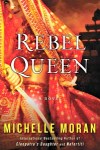

Rebel_Queen_cover_300ALLI SINCLAIR, world traveler and novelist (www.allisinclair.com): I’m a huge fan of Michelle Moran’s books and any book of hers is an automatic buy for me. Moran has an interesting story. Born in Southern California, she was a public high school teacher before becoming a writer, using her summers to travel around the world. It was her experiences as a volunteer on archaeological digs that inspired her to write historical fiction. Moran’s upcoming work, Rebel Queen, will be released in March. It’s about Queen Lakshmi—also known as India’s Joan of Arc because she stood up to the British invasion of her beloved Kingdom of Jhansi. The queen raises two armies—one male and one female—and they go into battle against the well-prepared British.

Moran’s books are rich in historical facts but the stories are so enthralling it never feels like a history lesson. Another reason I’m a fan is because she usually chooses the point of view of someone not so well known. For example, in this story the main character is Sita, one of the Queen’s trusted soldiers and companions, a device that serves to paint a less-biased picture of the more famous Queen Lakshmi.

* * *

Thank you, ML, JJ and guests! Readers, do you have any further 2015 recommendations? Please leave a comment below. And then let’s get our noses back into our books!

Finally, please be sure to sign up for the DISPLACED DISPATCH, which has a Recommended Read every week. You can also follow the Displaced Nation’s DISPLACED READS Pinterest board.

STAY TUNED for next week’s fab posts!

If you enjoyed this post, we invite you to subscribe to The Displaced Dispatch, a weekly round up of posts from The Displaced Nation, plus some extras such as seasonal recipes and occasional book giveaways. Sign up for The Displaced Dispatch by clicking here!

Related posts:

BOOKLUST, WANDERLUST: 2014–2015 books recommended by expats & other international creatives (1/2)

Global Bookshelf Part OneHello Displaced Nationers! Looking back at the our popular series Best of 2014 in expat books, published at the end of last year, I decided we should continue the fun at the start of the year—and managed to convince our redoubtable editor, ML Awanohara, that the pair of us should canvass our “displaced” contacts to see what they’d enjoyed reading from last year’s crop of new books, as well as books they’re looking forward to reading in 2015.

A “best reads” roundtable, if you will.

In Part One, which appears below, several of my bookworm friends from a previous blog, Novel Adventurers, along with ML and JJ Marsh (JJ writes the Location, Locution column for Displaced Nation), discuss their favorite 2014 reads.

In Part Two, a similar group of us will talk about releases we’re hotly anticipating this year.

Having already shared my 2014 faves in last year’s series, I’ll concede the floor to others, beginning with ML.

—Beth Green

* * *

ML AWANOHARA: Thanks, Beth. These days, I seem to be more of a collector than a reader (I simply can’t keep up with all the titles I hear about!). If you’ll allow me to bend the rules, I’d like to highlight five more 2014 books I’ve discovered since our Best of 2014 in expat books went live. While I can’t personally recommend any of these titles, I feel justified in presenting them as an addendum to our series.

I’ll start with these four “displaced” novels, listed from most to least recent:

IHaveLivedToday_cover_300x200I Have Lived Today (October 2014)
Author: Steven Moore
Synopsis: Having barely survived his Dickensian childhood in 1960s Britain, Tristan Nancarrow sets out on a journey that will take him through the alleys of London and New York, to the rocky shores of ancient islands, and on pub crawls in dark and gloomy ports. The book is a classic coming-of-age adventure.
Expat creds: Originally from England, Moore is a writer, photographer, traveler and part-time ESL teacher who splits his time between Mexico, Korea and the world.
How we learned about: From his blog, Twenty-first Century Nomad.

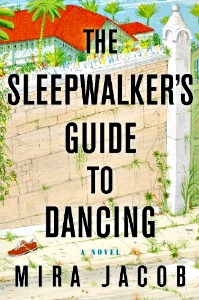
SleepwalkersGuide_cover_300x200The Sleepwalker’s Guide to Dancing (Random House, July 2014)
Author: Mira Jacob
Synopsis: This debut novel takes us on a journey that ranges from 1970s India to suburban 1980s New Mexico to Seattle during the dot.com boom. It follows the fortunes of the Eapens, an Indian American family dealing with tragedy and loss. Alternating between past and present, it shows the family’s transition from India to the United States. As one Indian critic writes, the story is “firmly rooted in an immigrant home, its peculiar methods and madness.”
Expat creds: Jacob is an Adult Third Culture Kid, whose Syrian Christian parents came over from Kerala, India, to New Mexico, in the 1960s. She now lives in Brooklyn with her Jewish American husband and son.
How we found out about: Recommended by Condé Nast Traveler as a book to read on a plane.

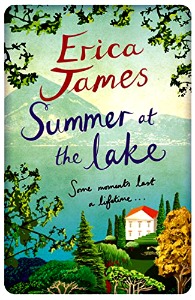
SummerattheLake_cover_300x200Summer at the Lake (Orion, June 2014)
Author: Erica James
Synopsis: An Oxford Tour guide, Floriana, a property developer, Adam, and Esme, an elderly woman who lives next door to a recent purchase by Adam, meet by chance and develop a lovely friendship, which takes them from the glittering spires of Oxford to the balmy shores of Lake Como. The story blends the tale of an old romance with a modern love affair.
Expat creds: James divides her time between living in Cheshire, UK, in a small rural hamlet and Lake Como, Italy, giving her plenty to draw upon in her books.
How we heard about: Pinterest.

TheBalladofaSmallPlayer_cover_300x200The Ballad of a Small Player: A Novel (Deckle Edge, April 2014)
Author: Lawrence Osborne
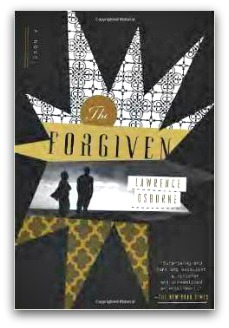
Synopsis: Lord Doyle decamps from the stuffy legal courtrooms of London to the smoky back-alley casinos of Macau, where he tries to capitalize on the ill-gotten gains that forced his flight from his homeland. But can he game the system at the island’s glitzy baccarat tables? With its expat angst and debauched air of moral ambiguity set amid the sinister demimonde of the Far East’s corrupt gambling dens, the book is an introspective study of decline and decay.
Expat creds: Lawrence Osborne was born in England and lives in New York City. A widely published and widely traveled journalist, he has lived a nomadic life in Mexico, Italy, France, Morocco, Cambodia and Thailand, places that he draws on in his fiction and non-fiction. His first novel was The Forgiven, which Beth Green reviewed for the Displaced Nation last year.
How we learned about: From Amazon.

Lastly, I have another expat memoir that was issued in 2014 and I think deserves a spot on our shelves:

FallinginHoney_cover_300x200Falling in Honey: How a Tiny Greek Island Stole My Heart (Sourcebooks, March 2014)
Author: Jennifer Barclay
Synopsis: Barclay first visited the tiny Greek island of Tilos, in the south Aegean, with friends, including a lover with promising prospects. In her mid-thirties when those prospects fell apart, she decides to reconnect with herself by returning to Tilos for a month and immersing herself in Greek culture, food, language, and dance. Emotionally healed and recharged, she returns to England, where she meets a man who wants what she wants, only to discover… (I won’t ruin it for you.)
Expat creds: Born in Manchester, UK, Barclay subsequently grew up on the edge of the Pennines—but has lived in Greece, Canada and France, with longish stays in Guyana and South Korea. She now lives mostly on Tilos. Notably, she previously produced a memoir about life in South Korea, amusingly titled Meeting Mr. Kim: Or How I Went to Korea and Learned to Love Kimchi.
How we learned about: Barclay’s “Gathering Road” podcast interview with Elaine Masters.


TheShadowoftheWind_coverJJ MARSH, crime series author and Displaced Nation columnist (Location, Locution): My best book of 2014 is The Shadow of the Wind, by Carlos Luis Záfon. All booklovers will fall hopelessly in love with this tale of a boy and a book he swears to protect after he is taken to the Cemetery of Forgotten Books by his bookseller father. Which of us could resist doing the same? Readers know how a story can act as a portal to otherwhere. This is the most perfect example, not to mention illuminating Barcelona in addition to the Franco dictatorship, love, loyalty and growth.


TheLie_coverHEIDI NOROOZY, adult TCK, translator and author (@heidinoroozy): One of the most remarkable and memorable books I’ve read recently is The Lie, by Hesh Kestin. Set in Israel, it features a Jewish human rights lawyer whose commitment to her principles is put to the test when her soldier son is kidnapped by Arab militants and whisked over the border to Lebanon. I love stories that explore the human spirit and are set against a backdrop of real-life events. The heart of this novel is the question of how far a mother is willing to go to save her child. Very chilling at times, heartbreaking at others and masterfully told overall.


PointofDirection_cover_300x200KELLY RAFTERY, translator and writer: In 2014, I loved Point of Direction, by Rachel Weaver. A starkly beautiful tale set in the Alaskan outback, it reads like a cross-cultural adventure. Most expats will recognize the feelings of culture shock, disorientation and unreality that haunt Anna, a woman on the run from her own ghosts. The sharp writing style perfectly mirrors the jagged mountains and rough seas that inhabit the novel as surely as another character.


SUPRIYA SAVKOOR, editor and mystery writer: I haven’t read many memoirs, but in recent months, I read two that blew me away. The first, Not My Father’s Son, by Alan Cumming, is a must-read, even if celebrity memoirs aren’t your thing or you don’t know much about this Scottish actor, now a dual American-British citizen based in New York City. NotMyFathersSon_cover_300x200Cumming, it turns out, is a genius storyteller, and he takes us on an extraordinary journey through two juicy family mysteries across four countries and three time periods. It is, in turns, emotional, tragic, exciting, suspenseful, and funny. The colorful cast of characters, with names like Tommy Darling and Sue Gorgeous, are real people. Along the way, you’ll learn all kinds of fascinating little tidbits, much of it cross-cultural, about genealogy, history, pop culture, language, psychology. Even Cumming’s anecdotes about his life as a TV and film star are surprisingly interesting, largely because of the author’s clear-eyed, honest wisdom. (I also highly recommend the audiobook, narrated by Cumming himself. Alongwayhome_cover_300x200 His lovely Scottish accent and intonations are an additional treat.)

A Long Way Home: A Memoir, by Saroo Brierley, is another great read. The story is simple but powerful: a five-year-old boy in rural India gets lost, is ultimately adopted to a family in Australia, then, as an adult, tracks down his birth family and reunites with them. How he pieces together his past and finds his roots is one of several beautiful mysteries in this small book. Loss and identity are obvious themes, but not just for the author. A truly unique story. (Side note: Modern technology is one of this book’s heroes.)


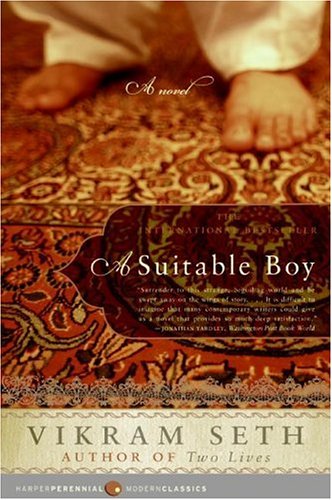
ASuitableBoy_coverALLI SINCLAIR, world traveler and novelist (www.allisinclair.com): I recently re-read A Suitable Boy by Vikram Seth. It was released way back in 1993 and caused quite a stir in the literary world as it was one of the longest novels ever to be published in English (1,349 pages hardcover). I first read it then, and, while it’s highly unusual for me to give a book a second or third read, every few years I return to this wonderful novel rich with Indian history, family saga, and a heartbreaking romance. It’s set in post-partition India and explores the political issues at the time (1950s), along with the Hindu-Muslim issues and the caste system. It’s quite an undertaking to read this book but I enjoy revisiting the characters I love. I am very fond of stories written by Indian authors as there is a beautiful style and interesting points of view I find appealing. There’s a sequel in 2016—I can’t wait!

* * *

Thank you, ML, JJ and guests! Readers, have you read any of the above or do you have further 2014 recommendations? Please leave a comment below. And stay tuned for Part Two of this post, books to look forward to in 2015!

Finally, please be sure to sign up for the DISPLACED DISPATCH, which has a Recommended Read every week. You can also follow the Displaced Nation’s DISPLACED READS Pinterest board.

STAY TUNED for PART 2 of this post: 2015 reads!

If you enjoyed this post, we invite you to subscribe to The Displaced Dispatch, a weekly round up of posts from The Displaced Nation, plus some extras such as seasonal recipes and occasional book giveaways. Sign up for The Displaced Dispatch by clicking here!

Related posts:

BOOKLUST, WANDERLUST: Best of 2014 in Expat Books (2/2)

Best of Expat Books 2014 Part 2Season’s greetings again, Displaced Nationers. And welcome back to our end-of-the-year bookfest!

Pass the eggnog!! (She takes a swig…)

Moving right along (hic!). In the first part of this BOOKLUST WANDERLUST series, posted yesterday, our BOOKLUST, WANDERLUST columnist Beth Green and I presented a list of 2014 expat books in the categories of Travel, Memoirs, and Cross-cultural Challenges.

In Part Two, we present our last three categories (hic, hic—hey, it’s the holidays!):

  1. IT’S FOOD!
  2. THIRD CULTURE KIDS
  3. COUNTRY GUIDES/TRIBUTES


A few points to note:

  • Books in each category are arranged from most to least recent.
  • Unless otherwise noted, books are self-published.
  • Contributions by Beth are in green (most appropriate, given her surname!).

* * *

IT’S FOOD!

Colour_of_Maroc_cover_smallColour of Maroc: A Celebration of Food and Life (Murdoch Books, October 2014)
Authors: Rob Palmer and Sophie Palmer
Synopsis: A collection of Moroccan recipes, both traditional and contemporary, interwoven with stories and anecdotes inspired by people, food and travel experiences as seen through the eyes of Rob, an Australian photographer, and Sophia, his French/Moroccan wife.
Expat Credentials: Rob first met Sophia in Sydney, who had freshly arrived in Australia from France. They were both on a food photo shoot for an ad agency. Fascinated by her half-Moroccan (she was born in Casablanca), half-French heritage, he was only too happy to join her on an extended tour of Morocco, which resulted in both marriage and this book.
How we heard about: Social media.


Cucina_Siciliana_cover_smallCucina Siciliana: A taste of the authentic Sicilian flavors (August 2014)
Author: Wanita
Synopsis: Wanita shares recipes she has collected from her elderly neighbor, her mother-in-law, and Italian friends she has made during her six years in Sicily—recipes that have passed down from generations, several of which, she suspects, have never been outside Sicily!
Expat creds: Wanita met her Sicilian husband on the Internet. After a 3-month online romance, he visited her in California; two weeks later, she accompanied him back to Sicily to get married. They now have an infant daughter.
How we found out about: We’ve pinned several of her Sicilian recipes to our IT’S FOOD! board.


My_Paris_Kitchen_cover_smallMy Paris Kitchen: Recipes and Stories (Ten Speed Press, April 2014)
Author: David Lebovitz
Synopsis: A collection of 100 sweet and savory recipes that reflect the way modern Parisians eat today, combined with Lebovitz’s personal stories of life in the world’s culinary capital. The book also features lush photos of Paris and of Lebovitz’s kitchen.
Expat creds: Lebovitz is an American pastry chef who has been living the sweet life in Paris for a decade. Before moving to France, he made his name at Chez Panisse in Berkeley, California, with celebrity chef Alice Waters as his mentor.
How we found out about: We are among his throngs of followers, keeping up with him any way we can: Facebook, Twitter, Pinterest, his monthly e-newletter… My Paris Kitchen (his 7th book!) has been named best cookbook of the year by Amazon.


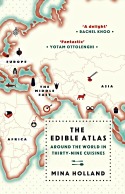
The_Edible_Atlas_cover_smallThe Edible Atlas: Around the World in 39 Cuisines (Canongate, March 2014)
Author: Mina Holland
Genre: International cookery
Synopsis: Not just a cookbook, The Edible Atlas introduces readers to the cultures behind the flavors and looks at why people eat what they do.
Expat credentials: Mina Holland, from the UK, has lived both in the USA and in Spain. She’s the acting editor of Guardian Cook.
How we heard about: Titles about food always catch our eye, and the idea of traveling around the world a mouthful at a time? Tantalizing! A review in Guardian Books first brought it to my attention.


THIRD CULTURE KIDS

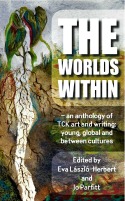
TheWorldsWithin_cover_smallThe Worlds Within, an anthology of TCK art and writing: young, global and between cultures (Summertime, November 2014)
Editors: Jo Parfitt and Eva László-Herbert
TCK Credentials: As the editors point out, that this is a rare book BY third culture kids, not about them.
Synopsis: Your mother is Swiss, your father is from the Philippines and you have so far lived in five countries, none of them your passport country. Who are you? Where are you from? Where is home? And what did you eat for breakfast? If you are a friend, this book will guide you. If you are a teacher, it will enlighten you. If you are a parent, it will spell it out for you and if you are an employer, it will convince you. Here they are, the cultural chameleons, the young global nomads, the TCKs—Third Culture Kids—from around the world, telling you their story.
How we heard about it: Initially from a Facebook post. Word is spreading fast on social media. One of the coolest things about this book? It features TCK art as well as writing.


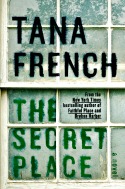
The_Secret_Place_cover_smallThe Secret Place (Dublin Murder Squad Book 5) (Penguin, August 2014)
Author: Tana French
Genre: Mystery
Synopsis: In Book 5 of the Dublin Murder Squad series, two detectives are given new information about a cold case—a boy’s murder on the grounds of an exclusive school for girls.
(A)TCK credentials: Tana French was born in Ireland but grew up in Italy, the USA, and Malawi during the years her family traveled with her father’s career as a development economist.
How we heard about it: I’m an avid reader of murder mysteries and fell in love with this series by French last year. In fact, I wrote about her Dublin Murder Squad series , and how it deals with issues of displacement, for my first Booklust, Wanderlust column.


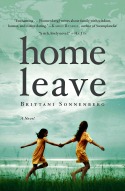
Home_Leave_sonnenberg_cover_smallHome Leave (Hachette, June 2014)
Author: Brittani Sonnenberg
Genre: Expat fiction
Synopsis: In a story that mirrors the author’s own life as a TCK, an expat family’s daughters search for their own identity and confront tragedy.
(A)TCK credentials: Sonnenberg was born in the USA but lived in the UK, Germany, China and Singapore as a child and teenager. She now lives in Berlin and treats Hong Kong as her second home.
How we heard about it: ML is always on the hunt for a good book about TCKs, so when she mentioned having read a review of the book last summer in the New York Times, I agreed to write a column about it.


COUNTRY GUIDES/TRIBUTES

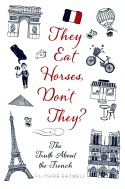
They_Eat_Horses_cover_smallThey Eat Horses, Don’t They? The Truth about the French (Thomas Dunne Macmillan, December 2014)
Author: Piu Marie Eatwell
Genre: Multicultural nonfiction
Synopsis: A series of entertaining mini-essays examines the stereotypes of French life, so beloved of the British in particular, only to discover that many are completely false.
Expat credentials: Eatwell, of mixed Asian and British descent, went to France for a long weekend one August summer holiday many years ago, and never left (how could she, with a surname like that?). After graduating from Oxford University, she trained first as a BBC television producer and then as a lawyer. Over the years she has worked as a documentary film maker, barrister, teacher, mother, and—most recently—full-time writer, both in London and Paris. They Eat Horses, Don’t They? is her first book.
How we heard about: Eatwell’s book is the winner of the 2014 Next Generation Indie Book Award in Amazon’s Multicultural Non-Fiction category.


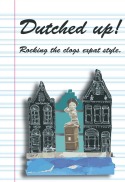
Dutched_Up_cover_smallDutched Up! Rocking the Clogs Expat Style (November 2014)
Authors: Various
Genre: Anthology
Synopsis: A compilation of stories by expat bloggers in the Netherlands.
Expat credentials: Too numerous to relay.
How we heard about: From a tweet by one of the contributors, Australian expat in Almere Nerissa Muijs. Once upon a time, Muijs was featured on our site as a Random Nomad. (She definitely rocks—we can vouch for it!)


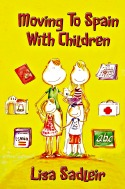
Moving_to_Spain_cover_smallMoving to Spain with Children: Essential reading for anyone thinking about moving to Spain (November 2014)
Author: Lisa Sadleir
Genre: Expat self-help
Synopsis: Spiced with the author’s own heart-warming anecdotes, the book aims to help you arrive at the same place her own family is now—but in half the time: living and loving family life in Spain!
Expat credentials: British born Lisa Sadleir is mother to two young, bilingual children. Educated in the UK and France, she has been a resident in Spain for over 23 years. She works as an independent relocation advisor and personal property finder.
How we heard about: Social media.


Paris_in_Love_cover_smallParis in Love (Chronicle Books, November 2014)
Author: Nichole Robertson
Genre: Photography
Synopsis: A photographic love letter to Paris from the author of the best-selling Paris in Color, capturing the hidden corners and secret moments that make Paris the most romantic city in the world.
Expat credentials: After a successful career in New York City as a writer and creative director for ad agencies, Robertson moved to Paris, which rekindled her love of photography and led to creating a series of prints and now books celebrating her relationship with the City of Light.
How we heard about: Social media.


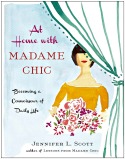
At_Home_with_Madame_Chic_cover_smallAt Home with Madame Chic: Becoming a Connoisseur of Daily Life (Simon & Schuster, October 2014)
Author: Jennifer L. Scott
Genres: Beauty/Fashion, How-to, Home Improvements
Synopsis: In this follow-up to her best-selling Lessons from Madame Chic, Scott has divided the book into two sections: 1) Chez Vous: exploring how to get your home in order and how to love it again; 2) Les Routines de la Journée: covering the pleasures of the morning, the pleasures of the afternoon, and the pleasures of the evening.
Expat credentials: Once upon a time, Scott was a college student living with a “chic” family in Paris, France, and her books represent her attempt to translate all that she learned from that European experience into her American lifestyle.
How we heard about: I interviewed Scott about her first book just before it was picked up by Simon & Schuster, and have been a big fan of hers ever since. (Her interview still gets lots of hits!)


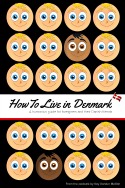
How_to_live_in_Denmark_coverHow to Live in Denmark: A humourous guide for foreigners and their Danish friends (July 2014)
Author: Kay Zander Mellish
Synopsis: Life as a foreigner in Denmark, one of the world’s most homogenous countries, isn’t always easy. In this book, based on her popular podcast series, Kay Xander Mellish offers a fun guide to Danish culture and Danish manners, as well as tips on how to find a job, a date, someone to talk to or something to eat.
Expat credentials: An Wisconsin-born journalist, Mellish has lived in Denmark for more than a decade.
How we heard about: Mellish’s humorous and somewhat irreverent take on expat life caught our attention about a year ago, when she posted a story about the first woman to guard the Royal Palace at Amalieborg, who was fired not for being a prostitute but for refusing to follow orders and stop moonlighting—a post for which Mellish earned her one of our coveted (?!) Alice Awards. We were pleased to learn she’d published a book, and plan to feature it soon.


SoYou're_Moving_to_Australia_cover_smallSo, you’re moving to Australia?: The 6 essential steps to moving Down Under (June 2014)
Author: Sharon Swift
Genre: Self-help
Synopsis: Swift has distilled her formula for a successful international relocation into a 6-step process, outlined in this book for those making the big leap from the UK to Australia.
Expat credentials: Since her birth in Singapore to a British father and Singaporean mother, Swift has lived across five continents, experiencing life and cultures of 14 countries. Her move to Sydney from London in 2005 was her 18th international relocation. She lives in Sydney Inner West with her husband, both now Australian citizens.
How we heard about: Pinterest.

* * *

Your turn again, readers! Have you read any of the above works and if so, what did you think of them? And can you suggest other works to add to these three categories or to the ones presented yesterday? Beth and I look forward to reading your comments below.

From Beth:
Intrigued by some of these titles? Go ahead, download a few! ‘Tis the season to support the output of other international creatives.

In closing, please note: Beth and I may repeat this exercise in six months (summer reads). But if you can’t wait until then, I suggest that you sign up for our DISPLACED DISPATCH, which has a Recommended Read every week, and also follow our Pinterest board: DISPLACED READS.

Without further ado, we thank you for making this year great and wish you a season full of mirth and good cheer, along with the odd quiet moment for a displaced read or two!

(Oh, and pass that eggnog!!)

STAY TUNED for more fab posts.

If you enjoyed this post, we invite you to subscribe to The Displaced Dispatch, a weekly round up of posts from The Displaced Nation, plus some extras such as seasonal recipes and occasional book giveaways. Sign up for The Displaced Dispatch by clicking here!

Related posts:

BOOKLUST, WANDERLUST: Brittani Sonnenberg’s gem of a novel about an expat family for whom home is everywhere–and nowhere

Booklust Wanderlust Collage

Left: Oleh Slobodeniuk (CC BY-NC-SA 4.0); right: Beth Green (her own photo).

Attention displaced bookworms! Our book review columnist, Beth Green, is back. An American who lives in Prague, Beth mixes booklust with wanderlust in equal measures, which gives her just the right background for reviewing recent book releases on behalf of international creatives.

—ML Awanohara

November greetings, Displaced Nationers! I’ve been reading up a storm lately (including Tana French’s latest addition to the Dublin Murder Squad series that I reviewed here this past summer—another great book!). But as I contemplated which work to pull down from my digital bookshelf for this month’s review, my attention came to rest on a super example of Third Culture Kid fiction: Home Leave, the debut novel from Brittani Sonnenberg, which came out earlier this year.

Home_Leave_coverPerhaps I was attracted to this book because the story Sonnenberg tells, about a globetrotting family, reminds me of my own. As some of you may know, I grew up on a boat and spent most of my life before high school outside the US—we were seven years in the Caribbean and two in the South Pacific.

But if it’s my story, it’s also Sonnenberg’s. She spent her childhood alternating between her native US and the UK, Germany, China, and Singapore, and, like many of us TCKs, has opted to become a “chronic expat” in her adulthood. She has worked as a journalist in Germany, China, and throughout Southeast Asia. (Currently, she resides in Berlin but is also a visiting lecturer in Hong Kong.)

Until Home Leave, Sonnenberg was known primarily for her short stories and NPR commentaries about life in Berlin.

In fact, her novel started as a memoir, but then one of her agents encouraged her to try re-approaching the material through fiction.

There must be more to life than having everything!”—Maurice Sendak

Home Leave concerns an American nuclear family, the Kriegsteins. The parents, Chris and Elise, determine to escape their dreary lives in the US by living and working overseas as expats. As Chris pursues a career at several international companies, their two daughters, Leah and Sophie, learn what it is to feel at home abroad and a stranger “at home” in the US. They revel in their uniqueness, but they also sometimes long for putting down roots and living like kids back home.

Sonnenberg makes a creative decision not to have a single character as the protagonist. Each of the Kriegsteins is a main character, and there are multiple narrators.

But for me, the book did have a star, and that was Leah. Sonnenberg links Leah’s emotional and personal success as a young adult to her peripatetic childhood, delivering in her a multifaceted portrait of a Third Culture Kid to whom other TCKs can relate.

“Home is where one starts from.”—T.S. Eliot

Leah is the elder daughter, and her toddler years abroad insert themselves into her identity almost from the moment when the family moves back to the US for a few years. As Sonnenberg writes:

Even Leah, with eleven-year-old pretensions of grandeur, craved a “next,” though her memories of “before” Atlanta were limited to the backyard in London, fish and chips, and falling blossoms in a British park…Leah grumbled that they always went to the airport to pick people up but never went anywhere themselves.

Her wish is granted when the family departs to Asia, where they begin a tradition of going on home leave back to the United States:

Like Persephone’s annual permitted return to her mother aboveground, by the gods in Olympus, the powers that be at Chris’s company will grant the Kriegstein women “home leave” once a year, each summer, when they will stay with friends and relatives, the flights covered by the company. In September they will be forced to leave again, back to China. This habit of home leave will cement Atlanta as “home” in their minds, since they always fly back to the Atlanta airport.

Of course, the price to pay for home leave is a complicated definition of where “home” is. As Sonnenberg writes:

When the Kriegsteins leave Atlanta for Shanghai in 1992…they are desperate to be overseas again. After three months in Shanghai, they will be desperate to return home.

And once Leah is an adult, she faces the classic Adult Third Culture Kid dilemma—how to answer the unanswerable: “Where’s home?” Speaking for myself, I never seem to answer it the same way twice in a row!

But what if one must re-start from tragedy?

There is a further twist to the Kriegsteins’ story, which is that Leah’s younger sister, Sophie, dies unexpectedly in their teen years—another parallel to Sonnenberg’s own life (she lost her own sister, Blair).

If you haven’t read the book yet, please note: to tell you about Sophie’s death is not a spoiler. Her death is referred to in the book before it happens, and at one point, her ghost actually narrates the story.

Now, Leah’s strongest relationship is with Sophie—something any TCK out there will understand. As children in foreign places, Leah and Sophie are sometimes each other’s only playmate. As preteens, they look out for each other in Shanghai and share a conspiracy to run away back to Atlanta—a plan only foiled when airport staff won’t accept their father’s credit card without their dad present.

Not surprisingly, Sophie’s death breaks the teenaged Leah, influencing how she perceives her place in the world and reality for years afterward:

Was Sophie’s death a foregone conclusion in any geography, a heart failure built into her system that would have struck her down on any continent? Later, the doctors would say, “There was nothing you could have done. Undetectable heart conditions are just that: undetectable. You mustn’t blame yourselves.” But because the death will happen in Singapore, its occurrence will be unimaginable anywhere else. Thus, in the parallel (irrational) universe, where they stay in Atlanta, where the good years never end, Sophie never dies.

Likewise, Sophie’s abandonment of Leah comes to affect her definition of “home”:

Years later, as an adult, when asked where she is from, Leah will always say “Atlanta,” as if we come from our joy, as if, aside from their goodness, there was anything to say about the good years.

Living in not-so-splendid isolation

The late, great David Pollock, a recognized authority on TCKs, once wrote*:

The TCK frequently builds relationships to all of the cultures, while not having full ownership in any. Although elements from each culture may be assimilated into the TCK’s life experience, the sense of belonging is in relationship to others of similar background.

Sonnenberg gives us a sense of the disjointedness of the TCK upbringing, and the many identity issues this results in, by having each chapter of Home Leave read like its own short story, with its own narrator. Thus we go from Elise delivering an electric first-person narration of how she coped with her daughter’s death, to therapist appointments written like scenes in a play, to a first-person-plural foray into describing how a group of young TCK women experience university.

Although this style can be jarring for the reader—the book you pick up in the afternoon doesn’t feel like the same book you put down in the morning—taken as a whole, Home Leave feels as fragmented as a life abroad sometimes feels.

Most importantly of all, Sonnenberg’s book does not shy away from the irony of the TCK experience, which is that although a family may travel abroad to broaden its horizons, none of its members ends up having any long-standing relationships except with each other. And, in the case of the family she depicts in Home Leave, even those relationships are uncertain. As the novel’s action unfolds, the older Kriegsteins are shown to be deeply flawed people whose naivety toward the world, and indifference to the needs of their own children, is sometimes astounding.

Home Leave left me feeling sorry for the Kriegsteins: they appear to have been impoverished by their life abroad, not enriched. Throughout the story, I kept wishing they might form a real connection to the places they inhabit and the people they encounter. But, except for the touching scene when Elise is pregnant in Germany, Chris’s ambitions and their own dysfunction buffers them from opportunities to create authentic bonds.

The sections about Shanghai seemed particularly sad, though perhaps that’s only because we see the city partially through the lens of an awkward, pubescent Leah.

But, although not all TCKs will find that the Kriegsteins’ experiences are close to their own, Home Leave is a gem of story suitable for anyone with international experience. And the quality of Sonnenberg’s writing is such that I’m really looking forward to seeing what she produces next.

* * *

Now for a parting thought for my fellow TCKs, some of whom may be feeling rather wistful after reading this review:

Home life is no more natural to us than a cage is natural to a cockatoo.

—George Bernard Shaw

Till next month!

*Third Culture Kids: Growing Up Among Worlds, by David Pollock and Ruth Ven Reken (2009, rev. 2010).

* * *

Thanks, Beth! I note that the New York Times reviewer of Home Leave concluded that in putting Leah at the book’s emotional core, not her parents, Sonnenberg has opened the door for the next generation of international creatives, no mean feat! Readers, any thoughts or responses?

Beth Green is an American writer and English teacher living in Prague, Czech Republic. She grew up on a sailboat and, though now a landlubber, continues to lead a peripatetic life, having lived in Asia as well as Europe. Her personal Web site is Beth Green Writes, and she is about to launch a new site called Everyday Travel Stories. To keep in touch with her in between columns, try following her on Facebook and Twitter. She’s a social media nut!

STAY TUNED for next week’s fab posts!

If you enjoyed this post, we invite you to register for The Displaced Dispatch, a round up of weekly posts from The Displaced Nation, with Alice nominations, exclusive book giveaways and other extras. Register for The Displaced Dispatch by clicking here!

Related posts:

BOOKLUST, WANDERLUST: Lawrence Osborne’s haunting tale of expats and travel in the Moroccan desert

Booklust Wanderlust Collage

Left: Oleh Slobodeniuk (CC BY-NC-SA 4.0); right: Beth Green (her own photo).

Attention displaced bookworms! Our book review columnist, Beth Green, is back. An American who lives in Prague, Beth mixes booklust with wanderlust in equal measures, which gives her just the right background for reviewing recent book releases on behalf of international creatives.

—ML Awanohara

Thanks, M.L.! And, hello again, Displaced Nationers. With the arrival of fall in the Northern hemisphere, I find myself in the mood to dig into some darker, heavier—more Halloweeny, shall we say?—material.

As a long-term traveler, third-culture kid, current expat, or all of the above in some cases, each of us has at some point or another faced a cultural divide we’ve found it difficult, if not impossible, to cross. Maybe it came down to a clash of religious or political beliefs. Or was it something to do with wealth? There are privileges that come with being an expat—and that, ironically, can cause discomfort.

But perhaps one of the most harrowing breaches of trust occurs when people possess differing concepts of justice.
TheForgiven_colorcoverLawrence Osborne’s novel, The Forgiven, wraps all three of these tough-to-tackle subjects into a compelling tale centered around one darkly beautiful “what if”:

What if you accidentally committed a crime in another country?

Every traveler’s worst nightmare

Osborne’s protagonists, David and Jo Henniger, are a wealthy middle-aged London couple who have grown frustrated with each other and jaded about life in general. David is a society doctor in Chelsea who has just lost a malpractice suit and is also beginning to lose patients. Jo is a children’s book writer who hasn’t written a book in some time.

To get a change of scene, and perhaps a new lease on life, the couple sets off to attend a lavish party being thrown by one of David’s school friends, Richard, and his partner, Dally, at their ritzy retreat in the Moroccan desert. It’s a wild weekend-long affair tony enough to have photographers from the New York society pages chronicling it.

Now, that doesn’t sound like my travel scene, but Osborne makes it clear that what happens to Henningers could happen to any of us who dare to venture into unknown lands, where the inhabitants have different religious beliefs to ours, are poorer, and possess an unfamiliar sense of justice.

Jo to David: “I shouldn’t let you, Stumblebum.”

Overriding Jo’s objections, David decides to do the drive from Tangier through the desert in the night even though he has just consumed a bottle of wine.

Jo sulks but lets him drive.

Long after dark, while the Hennigers are trying to navigate the unfamiliar desert terrain, two Moroccan boys leap into the road ostensibly selling fossils though possibly intending to highjack the vehicle. David runs in to one of the young men, killing him. The other boy runs away.

Osborne sets up an unforgettable scene as David and Jo make their entrance to an extravagant expat party with a dead body on the back seat of their car. Not knowing what to do or how the Moroccan police will respond, the Hennigers have taken the corpse with them.

For the hosts, the situation is an embarrassment and a source of annoyance. For their Western guests, it’s a rude interruption and a source of gossip. For Moroccans like Hamid, the head servant of Richard and Dally’s estate, it’s a tragedy that brings out his deep loathing of Western values. For the family of the boy, who arrive the following day to collect the body, it’s both tragedy and crime.

But for David and Jo, it will prove life changing.

Jo to Day (another guest): “It’s like going through the Looking Glass.”

This story, rather than showing how travel erases our differences, puts the notion of “otherness” into high relief. The couple who host the party and many of their friends see Moroccans as as objects of curiosity, wisdom, servitude, and lust. David, less cosmopolitan than his hosts, falls back on traditional colonial values, regarding Morocco and Moroccans as inscrutable and inferior.

By the same token, the Moroccans in the story can’t fathom the Westerners’ lifestyles or motives. They are “unimaginable human beings,” infidels—people who don’t eat with their fingers, who don’t believe in God.

Driss, the young man who is struck and killed by David, wants desperately to break away from the life his father had. He comes from a Berber family that lives in a remote outpost of the Sahara, where children must slave away hacking out Trilobites all day long, with the hope of selling them to Western millionaires.

Driss’s father, Abdellah, more than anything else wants to avenge “the fact that he simply had never known his son at all.”

When Abdellah and his brothers arrive to pick the body up for burial, they demand to meet David. They ask that he travel with them to make atonement. Richard and Dally, keen to get on with the party, assure him that it will be for the best.

Jo to herself: “Who knew what here was artificial and what was indigenous?”

The Forgiven is a tribute to Osborne’s roots as a world-class travel writer and chronicler of the expat life. He takes us behind the scenes and into the inner lives of Moroccans as well as of the expats who choose to live in that part of the world.

Take, for instance, Osborne’s account of Moroccan versus British pessimism:

“The men of the desert know everything,” Hamid said once, like a quote out of Lawrence of Arabia. But they didn’t, really. They were just efficient pessimists, and therefore astute readers of human nature. They always assumed the worst, and that made them correct nine times out of ten. Their pessimism, however, was not like David’s. David was someone who believed that the past was superior to the present, and that was a different sort of pessimist. It was not the entire past that was superior, of course; it was mostly just the British nineteenth to the mid-twentieth century.

Or this passage about how the Moroccan villagers tend to regard Richard and Dally and their wild parties:

It was admitted that they were wealthy and that they spent their money in an exceedingly unwise and profligate way, and that this was much to the advantage of the people.

Jo to Richard: “I dare say I won’t be the same again…”

The story maintains momentum by swinging between Western and Moroccan cultures, leaving the reader almost breathless, not always sure of their footing.

As readers, we guess but aren’t sure if the lumpish David, who is clearly an alcoholic, is still drunk on his midnight drive. Did he mean to hit the young man? And, the victim of the accident—can we say he’s a victim? Flashbacks to the youth’s bravado-filled conversations with a younger, impressionable friend paint him as an unstable character, full of hatred, with a shady past…

Jo, David’s long-suffering wife, is also an enigma. An aging beauty, she feels isolated from the young, frivolous women at the party. Does she love David, or want to leave him? Does she care if justice is exacted? Or does she care only that she be, as the title suggests, forgiven?

* * *

Not wishing to give away any more of the plot, I’ll end by reiterating: Displaced Nationers, in your own experience, which topics tend to open up the widest cultural divides?

Let me also leave you with the epigraph from the novel:

“Many roads do not lead to the heart.” —Moroccan Proverb

Until next time—oh and please drive safely!

* * *

Thanks, Beth! I’ve read The Forgiven and am still haunted by it. Lawrence Osborne is a contemporary writer with a deep understanding of what it means to feel “displaced” by one’s travels. Reading the book gave me thrills and chills, not just for the story but for the beauty and precision of his prose. Readers, does this sound like a book for you?

Beth Green is an American writer and English teacher living in Prague, Czech Republic. She grew up on a sailboat and, though now a landlubber, continues to lead a peripatetic life, having lived in Asia as well as Europe. Her personal Web site is Beth Green Writes, and she is about to launch a new site called Everyday Travel Stories. To keep in touch with her in between columns, try following her on Facebook and Twitter. She’s a social media nut!

STAY TUNED for next week’s fab posts!

If you enjoyed this post, we invite you to register for The Displaced Dispatch, a round up of weekly posts from The Displaced Nation, with Alice nominations, exclusive book giveaways and other extras. Register for The Displaced Dispatch by clicking here!

Related posts:

BOOKLUST, WANDERLUST: Curiosity leads Elizabeth Gilbert’s Victorian heroine to international travel

Booklust Wanderlust Collage

Left: Oleh Slobodeniuk (CC BY-NC-SA 4.0); right: Beth Green (her own photo).

Attention displaced bookworms! Our book review columnist, Beth Green, is back. An American who lives in Prague, Beth mixes booklust with wanderlust in equal measures, which gives her just the right background for reviewing book releases on behalf of international creatives.

—ML Awanohara

Hello again, Displaced Nationers! Since I last wrote, summer has slipped by us. The gradual wicking away of days and weeks puts me in mind of the protagonist of the book I have chosen to review this month: The Signature of All Things, a scientific and historical novel by Elizabeth Gilbert (she of Eat, Pray, Love fame).

The story’s heroine, Alma Whittaker, an early Victorian botanist living in North America, thinks of time as running on three concurrent tracks:
1) Human Time, which goes by as quickly and flittingly as a summer’s day.

2) Geological Time, in which the Earth moves.
3) Moss Time, which reflects the events of both Human and Geological time but moves at its own pace, expanding rapidly.

signature_coverAlma regrets that her life is stuck on the track of Human Time in an era that doesn’t favor women of character, intelligence and strength (but not looks). I found her fascinating and think that you international creatives will find her that way as well for these three reasons:

1) She is a Third Culture Kid and a polyglot.

As the daughter of English and Dutch botanists who eloped to start an empire on stolen seeds in the New World, Alma is a delightful fictional example of a Third Culture Kid. She has an unconventional upbringing at a time when most young ladies of her class were strictly bound by convention.

Gilbert writes:

She learned that walking carefully in the mud to save one’s boots or the hems of one’s skirts never rewarded one’s search. She was never scolded for returning home with muddied boots and hems.

At home, Alma speaks English with her British-born father, an old rascal who sailed with Captain Cook and turned himself into a rare plants and pharmaceuticals baron, one of the richest and most powerful men in Philadelphia; and a mix of classical languages with her highly educated mother. As for her nurse:

[The nurse] always spoke Dutch to Alma, and Dutch, to Alma’s ears would forever be the language of comfort and bank vaults and salted ham and safety.

Alma spends her childhood wandering in the breathtaking gardens and fields of her father’s estate, working on French and Latin, and being regaled with tales of far-flung expeditions at her parents’ dinner parties. She grows into a young woman with a wide breadth of knowledge but a constricted life experience.

2) Alma chooses to expand her horizons through international travel, rather like Gilbert herself.

Many novelists would slow down the narrative at this point, bring in a love interest (and a rival or two), and make the story all about the broadening of Alma’s horizons through a courtship followed by marriage. But Gilbert, who first made herself known to the world through the memoir of her solo travels to Italy (to eat), India (to pray) and Bali (where she found love), isn’t the right author for such conventions.

True, Alma’s youth, measured in Human Time, speeds by, but in the world Gilbert creates, one need not be young to have adventures. Indeed, Alma’s true adventures begin only after she believes she’s past her prime, when she enters Moss Time.

The spark that ignites those adventures is a surprise even to her. While contemplating the passage of her middle years, Alma discovers her passion for researching moss and its evolution. Moss, of course, knows no national boundaries. As Gilbert writes:

Moss grows where nothing else can grow. It grows on bricks. It grows on tree bark and roofing slate. It grows in the Arctic Circle and in the balmiest tropics; it also grows on the fur of sloths, on the backs of snails, on decaying human bones.

After Alma’s marriage fails, she sets sail for Tahiti.

As she takes off, so does the book—at least for me: Alma’s voyage across the Atlantic and Pacific was one of my favorite parts of the novel. Experiencing the long, slow sea voyage through the eyes of someone educated but who, at age 48, had barely left the confines of the family estate made for a compelling read.

“The ocean both stunned and disturbed her. Nothing had ever put more of an impression upon her being,” writes Gilbert. “It seemed to her the very distillation of matter, the very masterpiece of mysteries.”

There are also moments when her innocence clashes with her surroundings, as we see in this passage:

Alma offered payment in American coins, but the man attempted to make change for her from a handful of dirty Spanish piastres and Bolivian pesos. Alma could not figure out how he was possibly calculating his currency exchange, until she realized hew as trading in his dull old coins for her shiny new ones.

3) Alma’s insatiable curiosity is the driving force behind her travels.

It is tempting to see Alma as an extension of Gilbert: abandoning a marriage to travel recalls Gilbert’s break-out memoir Eat, Pray, Love. But in that book, along with its sequel Committed: A Love Story, Gilbert’s primary concern is with her ongoing personal evolution as writer, person, friend and romantic partner. In Signature, by contrast, Gilbert has created a character who as a young girl has already surpassed society’s expectations of what she can become. Alma is an intellectual whiz—fluent in languages, adept at math and strategy, precise in science and research—and a sensitive, caring friend. She’s strong. She’s healthy. But most of all, she’s curious—something I think she has in common with those of us who’ve chosen to live in other cultures.

When Alma reaches 16, she is faced with the decision to throw away a pornographic book or hide it. Gilbert writes:

But what about the cankerworm of curiosity that lived within Alma’s belly? What about its desire to feed daily upon the novel, the extraordinary, the true?

Then when Alma is approaching 60, she finally meets the special someone she has been searching for for years and says:

Allow me to tell you something about myself, for it might help you to speak more freely. Implanted in my very disposition—though I do not always consider it either a virtue or a blessing—is a desire to understand the nature of things.

Interestingly, curiosity seems to have become a mantra for Gilbert these days. On recent speaking tours (with Oprah, for example), she has been offering writers this advice:

Foster your curiosity even more than your passion.

To sum up: The Signature of All Things is not always a page-turner and Alma is not always a likable character, but the book held my attention to the end, in large part because I wanted to find out what happened to Alma. Gilbert’s writing, too, is impressive. Certain scenes in the book—the docks and a moss cave in Tahiti, the Spartan kitchen Alma’s abolitionist sister keeps, the crude sea tales of Alma’s father—are portrayed with such cinematic clarity I will never forget them.

Those who have read the book may know that readers have criticized Gilbert for focusing too much attention on Alma’s (mostly unfulfilled) sexual desires. I did not feel that way. Through the force of her sheer intelligence, Alma takes us closer to a period of our history that wasn’t so long ago, at least in Geological Time, when scientific findings were beginning to challenge traditional beliefs. As the English philosopher Thomas Hobbes once said:

Curiosity is the lust of the mind.

What say you, Displaced Nationers? Are you curious about Gilbert’s latest? Until we meet again, may Human Time roll by slowly for a change. (And if it doesn’t, plant some moss on it!)

* * *

Thanks, Beth! Until I read this review, I hadn’t realized that Elizabeth Gilbert, a member of our Displaced Hall of Fame for her travel memoir, had moved on to fiction. Readers, are you familiar with Signature and Alma Whittaker? If so, were you just as smitten as Beth was?

Beth Green is an American writer and English teacher living in Prague, Czech Republic. She grew up on a sailboat and, though now a landlubber, continues to lead a peripatetic life, having lived in Asia as well as Europe. Her personal Web site is Beth Green Writes, and she is about to launch a new site called Everyday Travel Stories. To keep in touch with her in between columns, try following her on Facebook and Twitter. She’s a social media nut!

STAY TUNED for the next fab post!

If you enjoyed this post, we invite you to register for The Displaced Dispatch, a round up of weekly posts from The Displaced Nation, with Alice nominations, exclusive book giveaways and other extras. Register for The Displaced Dispatch by clicking here!

Related posts: