The Displaced Nation

A home for international creatives

Thanksgiving: Shine, shine, shine, dear writers, however displaced

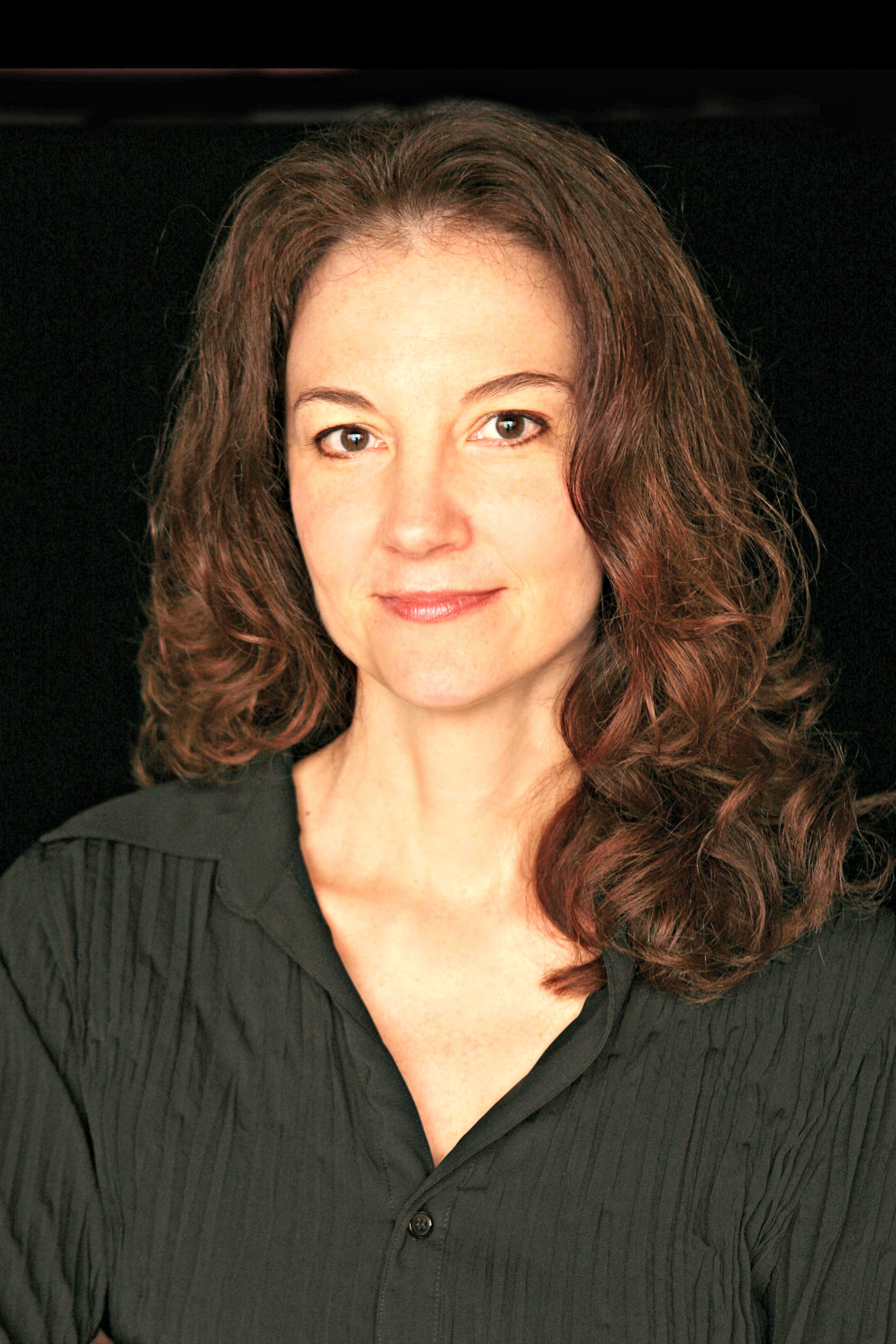
Today’s guest blogger, Kristin Bair O’Keeffe, is a cultural spelunker. With a husband from Ireland, a daughter from Vietnam, nearly five years as an expat in Shanghai, China, and an insatiable appetite for place, how could she not be? She’s also an author with an MFA degree in fiction writing, 18 years of experience as a writing instructor, a writerhead passionista, and the curator of #38Write, a monthly series of online writing workshops for place-passionate culture junkies around the world. Let’s listen up and hear why Kristin thinks Thanksgiving is a time for us displaced writers to shine!

— ML Awanohara

On Thursday, November 22, friends and families all over the United States (as well as oodles of displaced/replaced U.S.-ians around the world) will gather together to celebrate Thanksgiving. While this holiday can be traced back to the English Reformation and Henry VIII, it is now a secular holiday during which participants are expected to do just three simple things:

  1. eat turkey and pumpkin pie until we groan and bloat up like petrified puffer fish.
  2. endure our Great Aunt Pru, who smells like mothballs and passes out linty lozenges that look like they’ve been in the bottom of her purse since the Reformation.
  3. give thanks.

Writers of all ilk love this holiday. After all, it’s a day for us to shine! A day for us to show off by expressing our thanks far more eloquently than the neighbor who is slouched in front of his television in a tryptophan-induced haze.

We do, of course, have a lot to live up to:

“Thanksgiving Day, a function which originated in New England two or three centuries ago when those people recognized that they really had something to be thankful for—annually, not oftener—if they had succeeded in exterminating their neighbors, the Indians, during the previous twelve months instead of getting exterminated by their neighbors, the Indians.” ~ Mark Twain

“There is one day that is ours…Thanksgiving Day is the one day that is purely American.” ~ O. Henry [except, Mr. Henry forgot to add, those damn Canadians a bit to our north, who horn in on our gratefulness territory and dare to give thanks of their own, albeit on a different day]

“I come from a family where gravy is considered a beverage.” ~ Erma Bombeck

But no matter how splendid the thanks of those who came before us, this is a day on which writers can strut their best stuff!

So whether or not you’re American (U.S. American, that is), grab this opportunity to make a list of things for which you are thankful. Hurl yourself into the craft of thanks! Then, when your Thanksgiving host pauses just before cutting the first slice of turkey and says, “Would anyone like to share a thing or two for which you’re grateful?” you can whip out that slip of paper, clear your throat, and in your best writerly voice, make ’em weep in their cranberry sauce.

Here are a handful of mine:

1) Despite my great love for China, I am wildly thankful I will not be sitting face to face with the still-raw, almost-gobbling, dripping-blood, trying-to-limp-away turkey I once faced in Shanghai (ordered weeks in advance, mind you, from a fancy, well-respected, Western-y hotel and for which we paid a pretty-pretty RMB). All hail the year of mashed potatoes as the main dish! (We should have stuck with jiaozi.)

2) I am so, so, so grateful I am not living during the English Reformation and that I am not required to wear contraptions like this on my head:

Anne Boleyn

3) I am grateful that Maya Angelou called to read me a new poem. (Sorry, sorry, sorry! This is actually one of Oprah’s moments of thankfulness, not mine. But it sounds good, doesn’t it?)

4) I am thankful for my amazing family and friends from Ireland, Vietnam, Germany, India, China, the U.S., the U.K., and so many more places—all those who guide me, teach me, love me, and put up with me in my best and worst moments as a human being.

5) I am thankful and excited and inspired that writers around the world are flocking to my #38Write workshops and that my vision for contributing—and helping other writers contribute—to the global conversation of story is being realized. Whoop! Whoop!

6) I am grateful that there are writers all around the globe (like you!) who are driven to explore, write stories about the cultures and places in which they live, and connect.

Your turn! What are you thankful for?

CONNECT: If you’d like to learn more or if you’d like to register for one of Kristin Bair O’Keeffe’s #38Write workshops, grab a cup of coffee and pop over to her Web site and blog WRITERHEAD. Registration for December’s #38Write workshop is now open. You can Tweet Kristin at @kbairokeeffe, friend her on Facebook, and/or check out the #38Write group boards on Pinterest.

STAY TUNED for tomorrow’s post, Part 2 of Zeynep Kilic’s search for love in her adopted country.

If you enjoyed this post, we invite you to register for The Displaced Dispatch, a round up of weekly posts from The Displaced Nation, with seasonal recipes, book giveaways and other extras. Register for The Displaced Dispatch by clicking here!

Related posts:

Images: Kristin Bair O’Keeffe portrait; Anne Boleyn, courtesy Wikimedia Commons.

THE DISPLACED Q: Expats, repats, what’s the most outlandish tweak you’ve made to your Thanksgiving menu?

Since my repatriation to America, Thanksgiving has become my very favorite holiday here. This is partly because of a tweak that I make to the menu, but we’ll get to that later.

I wasn’t always so thankful for Thanksgiving. I only celebrated this American holiday twice while living abroad for many years, first in England and then in Japan — and to be honest, I didn’t really miss it.

Both celebrations took place when I was pursuing graduate studies at a British university.

The first time was for my very first Thanksgiving away from my family. I joined several other American grad students in preparing a traditional Thanksgiving dinner to serve in the dorm. Our guests were mostly other international students who were curious to experience an authentic version of this quintessentially American custom — as I recall, there were very few Brits.

At one point, a rather bitter argument erupted between Anna, a Harvard-educated woman who was pursuing a higher degree in feminist studies, and Andy, a Georgetown-educated man who was doing an M.A. in politics.

Andy didn’t like the fact that Anna was carving the turkey, proclaiming to the assembled guests:

It can’t be Thanksgiving if a WOMAN is carving the turkey.

I don’t really remember what happened after that — whether Andy insisted upon taking over, or Anna stormed out of the room. But it did cast a bit of a pall over the proceedings.

The food, though, was a close facsimile to the meals I’d enjoyed at home. And the arguing part? That was something I could relate to as well.

And there was snow, which we could see through the huge dorm windows, covering the panoramic Constable (literally) landscape below.

Thanksgiving-on-the-Hill

The only other time occurred a few years later, when an American friend came to live in North London on a teaching exchange with the Harrow School.

He, too, was spending his first Thanksgiving away from home, so decided to host a potluck Thanksgiving dinner in his living quarters.

Again, I think the food was good, but as I recall, the guests, most of whom were English, thought that potluck was a funny way to do a formal dinner. And the setting wasn’t exactly conducive to re-creating a New World feast. Walking from Harrow-on-the-Hill station, we passed by boys in the quaint Harrow uniform, including black ties (allegedly they are still in mourning for Queen Victoria!).

My Thankgiving-less years

After that rather harrowing (sorry, couldn’t resist) experience, I stopped doing Thanksgiving. I married a Brit and we invariably went to his family for Christmas dinner, which — probably not coincidentally — resembles the Thanksgiving meal enjoyed by the Pilgrims. Turkey is the most popular main, cranberry sauce and all. (No pumpkin pie, though!)

Even when we moved to Japan, where there were more Americans, I didn’t reinstate the custom. It seemed too much like hard work competing at the international grocery stores for vastly overpriced frozen turkeys (specially imported for the occasion) and cans of pumpkin.

What’s more — and I probably should have mentioned this earlier — I’ve never been especially keen on turkey. Once, when I was an early teen, I got food poisoning from an undercooked bird, a memory I’ve found hard to erase.

Something else I forgot to mention is that although I enjoy cooking, I’m not a roaster or a baker. I have never achieved the requisite culinary skills to produce a Thanksgiving dinner on my lonesome — even to this day, when I’m living in the U.S. again.

Nor did I especially enjoy the production such a big meal entails. If I’m going to spend a lot of time in the kitchen, I’d prefer to be producing something a little less bland than a roasted turkey, such as a Madhur Jaffrey Indian spread.

New thought: Maybe going abroad gave me the chance to escape from Thanksgiving? I wonder…

Giving thanks for Thanksgiving…but for one tweak!

So it is strange, the inordinate fondness I now have for this late November holiday. I like it because, unlike Christmas, it’s secular, so you don’t have to hesitate in wishing someone a happy Thanksgiving. It’s also less commercial, consisting primarily of an elegant meal with family and friends (I’m good at tuning out football).

I even enjoy eating turkey more than I used to — especially the dark meat. According to the Wall Street Journal, it’s the sides that American people sometimes tweak. But I like the sides. My absolute favorites are the stuffing and mashed potatoes, in that order.

All of that said, I do feel compelled to make one major tweak because of my hybrid background. Instead of turkey sandwiches the day after, I prefer chirashi-turkey-zushi!!!

Chirashi is Japanese for “scattered” — a scattered bowl of assorted fresh ingredients. Most likely you have tried chirashizushi: a bowl of sushi rice topped with a variety of sashimi (raw fish) and other garnishes. (See #2 in the photo.)

What my (second) husband, who is Japanese, and I like to do, on the day after Thanksgiving, is to substitute leftover turkey for the raw fish.

Chirashi-turkey-zushi is tasty, fast, and easy to make — particularly if you can get ahold of:

  • microwavable Japanese rice (use two or three packets for four people)
  • chirashi seasoning mix, containing five vegetables — typically, carrots, lotus, bamboo shoots, and shiitake mushrooms — sushi vinegar, seasoning, and nori (seaweed).
  • Kizami nori (shredded seaweed), to use as a topping.

There are no hard and fast rules as long as you get the seasoning right. And in my (admittedly rather biased) view, turkey goes as well with that seasoning as raw fish does!

* * *

Okay, your turn to tell me: what’s your idiosyncratic contribution to America’s national feast? Or if you’re not American, what do you do to internationalize your native festive spreads this time of year? I’m all ears, and tastebuds…!

STAY TUNED for another Thanksgiving post, by guest blogger Kristin Bair O’Keeffe.

If you enjoyed this post, we invite you to register for The Displaced Dispatch, a round up of weekly posts from The Displaced Nation, with seasonal recipes, book giveaways and other extras. Register for The Displaced Dispatch by clicking here!

Related posts:


LIBBY’S LIFE #64 – Shades of red (2, not 50)

“Do I look OK?” I ask, fastening the clasp on my necklace, and turning to face Oliver.

After a desperate couple of hours yesterday in Macy’s, I’d bought a lipstick red, off-the-shoulder dress to wear to tonight’s torturous party. Now I’m zipped into it, I’m pleasantly surprised at how I look. You know, considering I’ve had twins and everything this year.

And while red isn’t normally my colour, I’m damned if I’m going to a party where Melissa will be acting like a tramp and flirting with Oliver while her real clandestine lover makes speeches about “proactively engaging interdependent results” or some such corporate-speak nonsense, and the other wives whisper and point and stock up on gossip for their next coffee morning.

No. If anyone’s going to play the tramp around Oliver, it’s me.

Oliver looks me up and down, apparently agreeing that this dress is an improvement on my usual uniform of jeans and T-shirt, and gives me a leer that suggests our evening won’t be over when the party finishes.

“You look fabulous,” he says. “You never get any older, did you know that?”

No, I didn’t. Inside, I feel ancient; withered beyond my years after the ups and downs of the last eighteen months, and the last six in particular, but nevertheless, it’s good to hear that I carry Life’s burden well on the outside. Even if it means a heart attack from built-up stress farther down the road, at least I will die looking good.

Downstairs, I hand a fussy, teething George to Maggie, who is babysitting tonight.

“You go off and have fun, both of you,” she says. “It’s pleasure and not business, isn’t it?”

Oliver pulls a face.

“Depends how you look at it. I’d rather go and see the new Bond film, to be honest.”

You and me both, Oliver. In fact, I’d rather lie down in the road and be run over by a slow-moving truck.

“We know everyone there, though,” Oliver goes on. “That makes it less of an ordeal. And it’s at the Golf Club, so the food should be good.”

Yes, I know everyone. Let’s see…Anita, Julia. Caroline. Caroline’s husband Terry, the boss, who’s offered Oliver a job (the one I’m not supposed to know about) as a bribe because, if my womanly intuition is correct, Oliver knows something about Terry’s antics with Melissa, who is also coming to the party.

No, Oliver’s right. It won’t be an ordeal. It will be a minefield. No matter how good the food is, I’d better not drink too much and tread on any mines.

“Take no notice of him,” I say to Maggie. “We’ll have a lot of fun.”

She looks at me, a little frown on her face.

Maggie always knows when I’m lying.

*  *  *

“You stayed near Bath, right?” Anita asks me. “How was it?”

We’re at the Golf Club just outside Woodhaven, the posh one where Oliver takes his customers when they visit. This function room is trying to be Upper Class Olde English and failing miserably.They’ve got the horse prints right, but the carpet would look more at home in a cinema foyer. Also, Upper Class Olde English would never, ever fix fake beams on a popcorn ceiling.

I hold a glass of Pinot Grigio in one hand and a paper plate of appetizers in the other, feeling light-headed already, despite my earlier vow not to drink too much. It’s so much easier to take a sip of wine than it is to gracefully negotiate dim sum towards my mouth.

There’s definitely a gap in the market for quality liquidized hors d’oeuvres. Baby food shots for adults. Pureed Peas and Sun-Dried Tomatoes with Pernod.  Avocado and Duck Coulis with Cointreau. That kind of thing. Come on — it’s no worse than pineapple and cheese on a stick, is it?

“Oh, you know.” I shrug. “English. Cold, wet. Full of people with fixed opinions of life in the USA because they once spent a week in Florida.”

After a few days of our English vacation, I realised I was no longer quite one of “them”. “Home” wasn’t where I used to think it was. I’m not sure when it happened, exactly. Perhaps it was the evening when I had to concentrate on the accents on TV, used as I was to a nasal New England voice reading the news. Or perhaps it was when someone in the pub started to criticise “the bloody Yanks” and I couldn’t stop my rage rising, or myself from rushing to America’s defence. It’s the nearest I’ve ever got to being in a bar fight.

But, somewhere, I’d changed. That much I knew.

“And how about–” Anita moves in closer so that our plates of dim sum overlap. “How about you and Oliver?”

I deliberately misunderstand her.

“Oh, Oliver had a great time in England. We’ve never been to that part of the world before. It was spoilt a bit because his mother turned up early, but then mine couldn’t make it because she and my dad caught flu, and –”

I look around the room. Where is Oliver? He’d been nearby when Anita first started talking to me.

Anita leans in even closer.

“Don’t look now,” she whispers. “But Melissa Harvey Connor just arrived. She’s wearing a dress exactly like yours.”

*  *  *

Due to various factors involving turkeys and pumpkins, this post is shorter than usual. Kate apologizes for this, and hopes to get an extra episode onto TDN before the next scheduled Libby’s Life, which is on November 29.

Next post: LIBBY’S LIFE #65 – All about a dress (by Melissa)

Previous post: A post from Melissa – LIBBY’S LIFE #63

A note for Libby addicts: Check out Woodhaven Happenings, where from time to time you will find more posts from other characters.  Want to remind yourself of Who’s Who in Woodhaven? Click here for the cast list!

Read Libby’s Life from the first episode.

STAY TUNED for Monday’s post!

If you enjoyed this post, we invite you to subscribe for email delivery of The Displaced Dispatch, a round up of the week’s posts from The Displaced Nation. Sign up for The Displaced Dispatch by clicking here!

Image: Travel – Map of the World by Salvatore Vuono / FreeDigitalPhotos.net

An expat looks for love in her adopted country — only to be told she’s “exotic,” the Other (1/2)

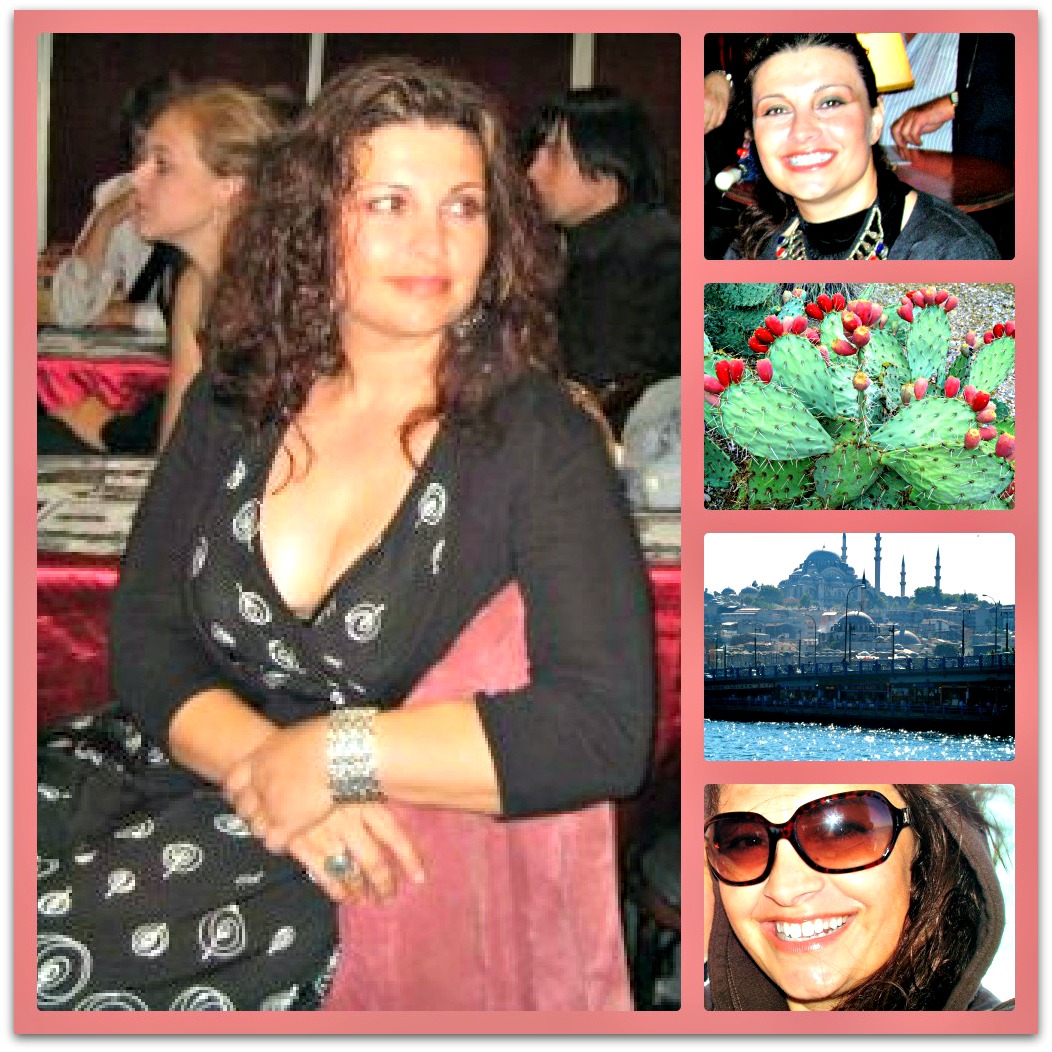
Today’s guest blogger, Zeynep Kilic, did not come to the United States in 1993 looking for love. Turkish born and bred, she was here for an overseas adventure (she worked as an au pair for a year in New Jersey) and to pursue graduate studies (she went on to earn a PhD in sociology at Arizona State). But then, two failed marriages to Turkish men later (they were also expats), she changed her tune about American men — and was looking for love…in the desert.

— ML AWANOHARA

I am not as much a foreigner as I was before. Not any more, right? After all, I have been living in the United States for almost fifteen years. I get the references to popular culture, politics or religion; I went to graduate school here, I taught here, worked here, established close friendships here, annnnnnd I can cook the traditional dishes served during holidays.

Plus I am an American citizen. What else is there?

Except — and here is where culture shock sets in, 15 years too late — I have no clue how Americans perceive me.

Chapter 1 of my single life: Arizona 2007

It is 2007 — time I date an American already. This may be due in large part to my two failed marriages with Turkish men, along with my hope that I may be more acceptable to an American mother-in-law.

Not to mention my even more fervent hope that American men aren’t as attached to their mothers as Turkish men are.

After the first divorce, I have become an undesirable partner for any Turkish mother’s precious son. After the second, I’m considered an untouchable. I may as well be wearing the red letter D on my forehead, forewarning all Turkish families about the dangers of an educated woman who thinks that no man can come up to her standard.

(Actually, did I really think those things about my own people — I, a sociologist, who teaches students about the pitfalls of stereotyping and blanket generalizations? For shame!)

Maybe I shouldn’t worry about the man’s family right away, I tell myself, particularly his mother. Let the cultural weirdness enter the picture a bit later. At least that’s my plan.

I will ask my American friends to set me up with their American friends. Luckily, I am already a citizen and no one can blame me for being after a green card. This should work. Except, none of my friends have any single friends to introduce me to. Must I really endure the Internet? I am overweight; no one is going to email me back.

I come up with a strategy: put all my fat-angle pictures up to give potential suitors a slightly worse, but still realistic, version of who I am. Then, if they still want to meet me, they will be pleasantly surprised.

This goes against everybody else’s strategy on the Internet but I think it should work. Maybe I’ve found the loophole?

After much dragging of feet I tell myself what they say in the Black Sea:

Once you get up to join the horon (folk dance), you must shake your ass!

So here I come, timidly jiggling my metaphorical ass on the Internet dating sites with a profile that says — too much really. I guess my tendency to speak too much in the classroom translates very well into writing too much on the profile. I am a consistently verbose woman.

To my surprise, over a period of time, I meet a few men.

Candidate #1

The first guy I meet is a handsome Latino with a very well-groomed beard. He says he likes the curves. Okay, we are good. Then he says he likes the wavy hair. “Very exotic,” he says with a wink.

I change the subject to his kids and job. I am a very serious academic after all. Enough with the objectification…

I don’t see him again but keep thinking about his comment on my exotic hair. Am I supposed to feel good about this?

The next day, I meet my friend Jill for a run. I recount the story and tell her I am slightly bothered by the “exotic hair” comment. She assures me that it was meant to be a compliment, to suggest that I looked different than a “generic” American — which is not a bad thing.

I glance at her fine blond hair blowing in the morning desert breeze and wonder if her hair is the generic American hair. Let’s not make a mountain out of a molehill, I tell myself.

Candidate #2

The second guy doesn’t work out either, though we have a pleasant lunch. He is wearing ripped, skin-tight jeans and sporting a bleached ponytail. I am wearing the opposite — literally and metaphorically. As he says goodbye, he leans in for a kiss on the cheek, sighs and says:

It would have been hot to add Turkish to my list.

I recount this to Jill on another run, telling her that I never thought that the major thing these men would notice about me would be my non-Americanness, which I seem to exude in spades.

I’ve been feeling quite at home in Arizona, especially after a 13-year-long residence, exactly as long as my life in Ankara, where I went to college. Sure, my name always invites questions about its origin, and people sometimes remark how “pretty” it is and all that. But I don’t have the thickest accent and I certainly do not talk about my differences all the time, especially not with a stranger.

It dawns on me that nobody sees an American when they look at me. This is a surprise because nobody made any comments about it before. I guess exoticizing someone is not cool in a non-dating context. The subtext of racism makes it too politically incorrect to bring up.

Jill stops my ranting to say, a little apprehensively, that she always liked that I was Turkish. I am different than her other friends. I cook different things, and she loves my slight accent. She also loves saying my name, and receiving wonderfully “authentic” gifts from my visits back home, such as evil eye beads I gave to her babies. It is not a bad thing, she says — it is a good thing.

Okay, I must enjoy this and use it to my advantage, I say to myself — make the wave in my hair even wavier. Onwards, to the next encounter!

Candidate #3

Guy #3 does not work out either. He makes a lot of references to his parents though he has not actually seen them in the last year and a half. He also does not speak to his brother. He shrugs and says, “You know how it is.” I don’t actually, so I just smile tentatively.

When silence falls on the conversation, he reiterates that I am so exotic — something refreshing in his desert dating experience. “Scottsdale types,” he adds.

I think he means he’s been seeing mostly blonde, tanned woman with straight hair and French manicures.

Finally, I ask: “What do you mean by that, what makes me exotic exactly?”

A little taken aback, he says I have interesting, chunky jewelry. I haven’t heard that one before. Do American women not wear chunky jewelry? I glance at Jill next time I see her and notice her diamond pendant the size of a pea and her very small hoop earrings.

Candidate #4

The fourth one is a clean-cut guy from Chicago. He is very particular about his finances and is investing in a large house even though he lives alone (but we all know he will have a family populating the rooms some day soon!).

He assures me that he dated a lot of “ethnic” women — like when he was in Korea, he had Korean girlfriends. He then proceeds to tell me how he will never forget that time in a baseball field’s dugout with two friends…

I am not sure if he is expecting a pat on the back. I don’t.

* * *

Readers, tune in next week to Part 2 of Zeynep’s story — covering her decision to leave the deserts of Arizona for the frozen grounds of Alaska — to find out how the story ends. Meanwhile, do you have any stories about the process of self-discovery when seeking love abroad? Please leave them in the comments. We’d love to hear them…

Zeynep Kilic is an assistant professor of sociology at the University of Alaska Anchorage, where she is navigating the treacherous waters of tenure. You can find her on Google+ and on Twitter: @zeynepk

STAY TUNED for another episode in the life of our fictional expat heroine, Libby. (What, not keeping up with Libby? Read the first three episodes of her expat adventures.)

If you enjoyed this post, we invite you to register for The Displaced Dispatch, a round up of weekly posts from The Displaced Nation, with seasonal recipes, book giveaways and other extras. Register for The Displaced Dispatch by clicking here!

Related posts:

Images: All are from Zeynep Kilic’s own collection except for those of the Arizona cactus and the view of Istanbul, which are from Morguefiles.

An expat author on what it’s like to write “controversial” books — and your chance to win one!

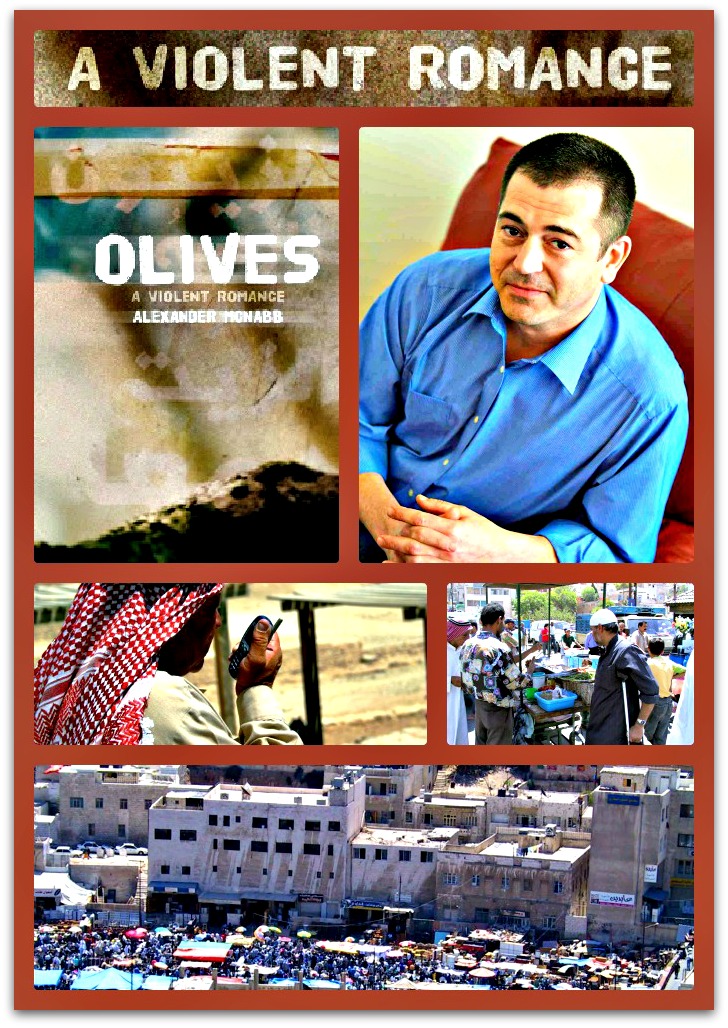
The London-born Alexander McNabb has spent nearly half of his life in the United Arab Emerites. Last month we interviewed him about his series of books on Middle Eastern themes, the first of which, Olives — A Violent Romance, has been sparking some controversy. (“Bring it on!” he told us.) Alexander is back at the Displaced Nation to share some good news: He is giving away several copies of Olives to our readers!! (See details below.) He is also here to discuss: does the book deserve its notoriety?

The Jordanian Web site Albawaba did a lovely interview with me in which they played up the “controversial novelist” angle quite nicely — I am, apparently, “scandalous.” Now, as any fule kno, if you want to sell books a whiff of scandal is quite handy.

That said, I have always shied away from that sales strategy — at least in part born of my dislike of the way the British author Geraldine Bedell’s publisher attempted to hijack the first Emirates Airline Festival of Literature (which I usually attend) to promote her mediocre book, The Gulf Between Us. Penguin claimed the festival organizers had tried to ban the book for its inclusion of a homosexual sheikh. (For more details, go to my post on this story.)

And yet bucketloads of controversy have dogged me since Olives — A Violent Romance was published a year ago. It’s much easier to be a “controversial author” in the Middle East than it is in the West these days.

Where is speech truly free?

We tend to forget how the film Monty Python’s Life of Brian (1979) was picketed by Christian groups, and how in 1988 Scorsese’s Last Temptation of Christ an adaption of a 1953 novel, was picketed and banned in some countries.

Let alone Lady Chatterley’s Lover (an unexpurgated edition could not be published in the UK until 1960), Frankie Goes to Hollywood (their controversial single, “Relax”) or many other shameful bans on music and literature in my own country in my own lifetime.

We think of ourselves as secular, tolerant and free-minded — yet our recent history has been filled with our failing to come to terms with free speech and literature that brings up topics we find uncomfortable.

Imagine how it is, then, in the Middle East, a region not only more sensitive to discussion of religious, cultural and social issues but with many more taboos to play with.

Some inconvenient truths

In Olives, my first book, a Muslim family is depicted drinking alcohol. This caused considerable comment online and from reviewers in the region, some of whom thought this was unnecessary and meretricious. A few tried to portray this scenario as unrealistic, but that didn’t really wash. Alcohol and the Arab world have a fraught — and frequently secretive — relationship.

Even more controversy followed with the fact that a Muslim woman sleeps with a British, Christian, man in the book. This was a humdinger that sparked debate about my motivations, the possibility this could happen and, once again, why I had to include such unsavory behavior.

Talk about inconvenient truth.

But the money shot was my decision to use real names in the book: real Jordanian and Palestinian family names. It wasn’t much of a decision, really, more of a no-brainer — you wouldn’t set a novel in the Highlands of Scotland and call characters MacShuggy or MacSquarepants because you were afraid of the clans, would you? And yet that expectation very much exists in Jordan today!

One member of a family with the same name as the female protagonist, Dajani, posted a comment on the Olives blog on behalf of the whole family demanding that the name be changed:

It would have been entirely feasible for you as an author to have contrived/fabricated a fictional name which does not infringe or violate our good family’s history and reputation and [we] do not believe that you have exercised good judgement in this choice.

The row spilled over to Facebook and other platforms and quickly got out of hand. One commenter on Jordanian blog 7iber (pronounced “hiber”) noted:

…this would be worth some honor killings if these names were abused.

Umm, that’s a death threat. (No matter that it’s probably something silly typed by an anonymous pimply onanist showing off, it does tend to stop one in the old tracks when you first read it.)

Worse, distributors in Jordan had refused to carry the print edition, citing concerns over the book’s use of that prominent Palestinian family name. Olives wasn’t banned in Jordan by government censors — but it was blocked by what a sympathetic commentator quite rightly called “a more insidious form of censorship.”

Fact vs fiction

Why has this been happening — because people in the Middle East can’t separate fact from fiction? Absolutely! It’s a real issue in the region. There is all too little fiction produced in and about the region: people simply don’t read very much in the main. A bestselling Arabic novel might sell a few thousand copies at most — the vast majority of Arabic writers pay to have their books printed.

So quite a few people, not unsurprisingly, find it hard to separate fiction from fact. Strangely enough, another branch of the Dajani family (which is very large and widespread, part of the reason I used the name) is passionately pro Olives — and I have to say the same thing to them: “Guys, it’s fiction!”

But the fact remains, my book set in Jordan can’t be sold in the country it’s set in.

As I said, it’s all too easy to be scandalous in the Middle East. Mind you, wait ‘till they see Beirut – An Explosive Thriller

*  *  *

Now it’s time for the freebies! Displaced Nation readers, you can get your very own copy of the book that’s been making waves in my part of the world. Here are 3 ways to do so:

1) For TDN readers with an iPad or ePub compatible reader (Nook, Sony, Kobo, Android etc): Get your copy of Olives — A Violent Romance free of charge (and save $4.99) on Smashwords. But first, you’ll need to sign up for the DISPLACED DISPATCH to get the code (it will come in the issue delivered this Saturday). NOTE: The code is valid until 1st December — and then, pfft, it’ll disappear. Dear readers, you are MORE than welcome to share that code with family, friends, strangers, dogs in the street — even lawyers.

2) For TDN readers with Kindles: Leave a comment on this post with your e-mail, and I will send a Kindle file and instructions how to install it. Best I can do, I’m afraid — Amazon doesn’t let me do freebies! Do remember to use name dot name at domain dot com so the spambots don’t find you! Or you can hit me up directly at @alexandermcnabb on Twitter…

3) For TDN readers who still like shiny PRINT books: If anyone would like to win Olives — A Violent Romance in print, delivered to their doorsteps anywhere in the world, just leave a comment and let us know where, if you could move to live anywhere on earth tomorrow, you’d go — and why!

TO ALL READERS: Olives — A Violent Romance has (wonderfully) met with considerable critical acclaim — if anyone wants to add their voice (whichever way it leans) on Amazon or Goodreads, that’s welcome feedback. The more people know the book exists, the merrier! 🙂

STAY TUNED for tomorrow’s post, the first in a two-part series on an expatriate’s love life.

If you enjoyed this post, we invite you to register for The Displaced Dispatch, a round up of weekly posts from The Displaced Nation, with seasonal recipes, book giveaways and other extras. Register for The Displaced Dispatch by clicking here!

Related post:

Images: All from Alexander McNabb.

The accidental repatriate on the 2012 elections: Looking back — and forward

The Displaced Nation’s coverage of the 2012 U.S. elections would hardly be complete without a post by our accidental repatriate, Sezin Koehler — who, to add yet another whammy to her many counter culture shocks, had to cast her vote in the District of the Hanging Chads. Please note: Although Sezin always gets our vote, her opinions are her own, not necessarily those of the Displaced Nation.

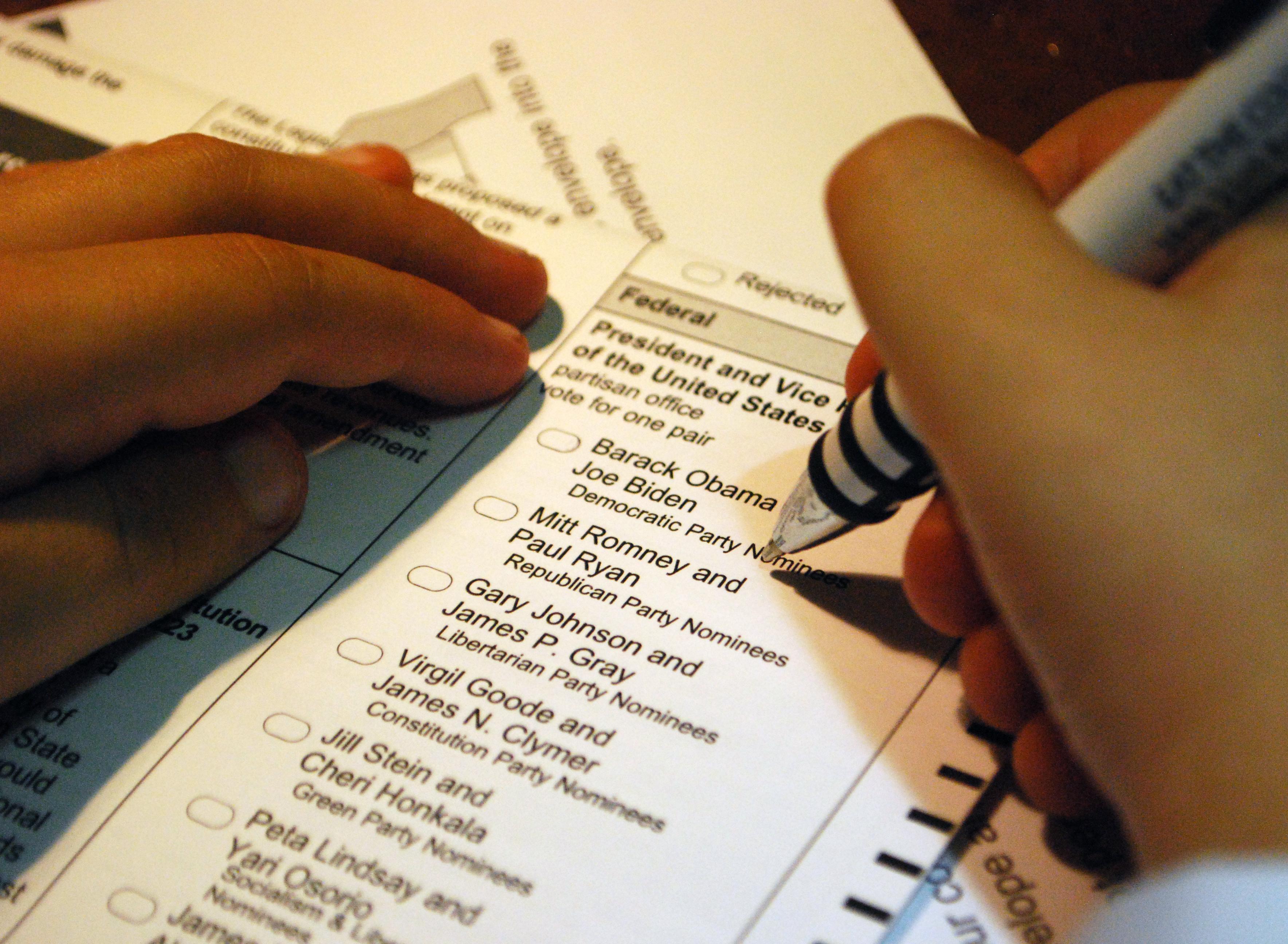
The last time I voted in the United States was the disastrous 2000 election in which George W. Bush effectively stole the race from Al Gore, all on account of “hanging chads” and allegations of voter fraud in Florida.

That election was actually the first time I ever voted, and the polling station was even in my place of residence for my final year at the Occidental College (in Los Angeles) — at the Women’s Center. I cast my ballot with shaking hands: my dear friend Wendy had been murdered just the week before and I had returned from her funeral in Texas only a few days before the election.

Emotional to the max.

The long — and nightmarish — march to Election Day

My accidental repatriation in December of 2011 brought me right smack dab in the middle of the so-called American election season. I had completely forgotten that, unlike many European and other governments which only allow campaigning for a short period directly before the election (for example, in the Czech Republic it’s a mere six weeks), the USA has no such rules.

And worse, the addition of Super PACs — a new loophole passed in 2010 that allows for an organization to indirectly campaign for the candidate of their choice, spending as much money as they can raise — brought home a frightening new reality for me in the form of the corporatization of our government. The Campaign-Industrial Complex.

Further, I would actually be voting in the same Florida district that was under such great contention in 2000.

Horror mounting, I watched President Obama forced to make his birth certificate public even though his opponents kept their tax records secret. The outright lies about the president being a Muslim, socialist, un-American, and so on swirled around me in the conservative pocket of Florida in which I live. Every other commercial on television was an attack ad, each more vicious than the last. It was becoming clearer and clearer: the problems people here (and Republicans) have with the president comes down to the color of his skin.

Bumper stickers like “Re-Nig 2012” and “Put the WHITE back in the WHITE HOUSE” adorned some of the cars in my neighborhood, so proud were some of the anti-Obamaites of their willful ignorance.

After voting from abroad all these years, it was a complete shock to the system to be confronted daily with the dysfunctional American political system.

I asked myself over and over: How is it possible that I’d ended up here?

From jitters to jubilation

As the presidential debates unfolded it became more and more clear that Romney and Obama represented two distinct visions for the future of this country. Mitt Romney’s a plan to bolster the already wealthy and set women’s rights back to the 1950s. President Obama’s to continue the slow going of getting the country out of the mess his predecessor left behind as well as get the United States in line with the rest of the developed world by providing things like affordable healthcare and protecting the rights of women.

Clearly, a very Divided States of America.

Election Day loomed ever nearer and my anxiety levels were through the roof, stomach in knots, wondering which America its citizens would choose.

When I went to cast my ballot I was shaking so terribly my husband had to hold me up and help me to my voting seat. It only occurred to me afterwards that my body remembered the trauma of 12 years ago, right down to a terrifying election.

After leaving the polling station, my husband and I wandered around in a daze. Waiting for results felt like years passing by. Every bit of news a cause for momentary relief or stark panic. As the first reports — from Fox News no less! — said Obama had been re-elected, we were still too scared to get excited. It wasn’t until Mitt Romney finished his acceptance of defeat speech that I stood up and cheered.

We had won.

I’ve never in my left felt such a feeling of sweet relief. I hadn’t given America enough credit. There are more than enough Americans like me, concerned about healthcare, women’s rights, human rights, to balance out the conservatives! Hallelujah!

However, that didn’t stop the losing party taking to social media and proving what we’ve known for ages: their biggest problem with the president is that he’s African-American. I predict it’s the beginning of the end for the Republican and Tea Parties.

Gee…am I no longer displaced?!

Though it took five days for us to get the Florida results! WTF?! Seriously, developing countries get election results quicker than that! And President Obama even won here, in spite of Governor Rick Scott’s illegal attempts to disenfranchise black and Hispanic voters by sending out mailers with the wrong election date, purging voter rolls, and making it generally difficult for Obama-supporting areas to vote.

Amazing. I moved to a Republican state and even with all their tampering, it is now Democrat. I feel instantly better about where I live. Just like that.

In these seven days since the Obama victory I’ve lost five+ pounds without doing anything, the weight of incredible stress that’s simply melted off. I’ve been sleeping better than I have in years. My husband tells me I’m even snoring, something I’ve only done when with cold!

So, after a miserable first year in Florida coupled with an absurdly harrowing “election season,” I finally feel there is reason to hope in this country’s future and my own place within these red and blue borders.

Sezin Koehler, author of American Monsters, is a woman either on the verge of a breakdown or breakthrough writing from Lighthouse Point, Florida. Culture shock aside, she’s working on four follow-up novels to her first, progress of which you can follow on her Pinterest boards. Her other online haunts are Zuzu’s Petals‘, Twitter, and Facebook — all of which feature eclectic bon mots, rants and raves.

STAY TUNED for Tuesday’s post, announcing this month’s book giveaways.

If you enjoyed this post, we invite you to register for The Displaced Dispatch, a round up of weekly posts from The Displaced Nation, with seasonal recipes, book giveaways and other extras. Register for The Displaced Dispatch by clicking here!

Related posts:

Images: From Morguefile, apart from the one of Sezin Koehler, which is her own.

How the 2012 elections looked to a repatriated American who is now a digital global citizen

Global citizens follow the US elections closely; some even see American politics as a spectator sport. For today’s post, we asked Anastasia Ashman, an occasional contributor to the Displaced Nation, to tell us how she felt about the 2012 elections. An expat of many years and an active proponent of global citizenship, Anastasia recently repatriated, with her Turkish husband, to her native California.

Rather than drifting away from the American political process when I was far from my fellow citizens, it was during an expat stint that I became most deeply involved.

My involvement had a displaced quality, of course.

I have always been on the edges of the American experience, hailing as I do from the countercultural town of Berkeley, California. The first time in my life I owned and brandished an American flag was after 9/11. It felt like a homecoming after a lifetime of being the outsider.

Even now that I’m back in California, my political involvement continues to have a displaced quality because I know what it’s like to be a citizen on the front lines of our nation’s foreign policy. For most Americans, the issue of how the rest of the world perceives our country is distant, amorphous, forgettable — but not for those of us who’ve lived abroad.

Clark for President!

I’d discovered Wesley Clark on television after 9/11. A four-star general, he was talking about the world we’d suddenly plunged into like a polished, collected and thoughtful world-class leader. It was easy to feel a kinship with the philosopher general even though I’d grown up in a household that vilified the military. Instead of activist or escapist pursuits, I chose to join him in geopolitical chess.

During the months between September 2003 and February 2004 when Clark competed in the presidential primary to become the Democratic candidate, I campaigned for him from afar. My email inbox soon filled with security warnings from the U.S. Consul urging Americans to keep a low profile.

If I had been able to get my hands on a campaign poster back in 2003 and 2004, I wouldn’t have displayed it publicly in my Istanbul apartment window. We were invading Iraq, and Istanbul was the site of four al Qaeda-related terrorist bombings that November. Avoid obvious gatherings of Americans, the emails cautioned. No mention of red, white, and blue “Clark for Democratic Candidate” campaign posters plastered on your residence — I had to extrapolate that.

Instead, I became active in online forums and wrote letters to undecided voters and newspapers in numerous states for my choice, the former N.A.T.O. Supreme Commander Wesley Clark. That was all I could do.

Obama for Re-election!

I’ve now been back in the USA for a year and have followed this election cycle, like the last one, mostly via social media. Online is an ideal place to become disconnected from echo chambers you don’t resonate with, and to stumble into rooms you don’t recognize. Both have happened.

But for the first time in the American political process, I don’t feel displaced. I feel like I am right where I belong.

Maybe it’s the San Francisco environs, which, although they may not match my concerns, don’t rankle too badly. At least I’m not in Los Angeles being asked to vote on whether porn actors must wear condoms. (They should, obvs!)

I feel less displacement in this election because of the resonant connections I’ve made online in the last four years or more. I’m in open, deep geopolitical conversation with Americans, American expats and with citizens of other nations, all over the world.

During this election I’ve been using my web platform, my digital footprint, to gather political news and opinion, enter discussions, and raise awareness. I’ve been reconciling my patchwork politics by weaving together who I relate to, and what I care about, and what sources I pass on to my network and what conversations I start. I now know that I am

  • A woman from an anti-war town who campaigned for a general!
  • A Hillary supporter who’s backing Barack, and
  • An adult-onset Third Culture Kid who understands how and why Obama’s Third Culture Kid experience confuses the average American.

What I have chosen to share on social media during this election cycle is a processing of all that makes me a political animal. I feel I have participated in this election cycle as the whole me, and that is all I can do.

I’ve shared that I care deeply that

I am buoyed that these abominations are leaking out and being countered. I was edified to hear others share my disapproval of eligible voters who choose to throw their votes away.

I have been able to be an active digital world citizen during this election cycle, someone who votes for the bigger picture, not just at the ballot box, but in everything I do. And that feels like home to me.

ANASTASIA ASHMAN is the cultural writer/producer behind the Expat Harem book and discussion site. The Californian has been on a global rollercoaster: fired in Hollywood, abandoned on a snake-infested island off Borneo, married in an Ottoman palace, interviewed by Matt Lauer on the Today show. She brings it all home in the “Web 3.0 & Life 3.0” transformational media startup GlobalNiche.net, empowering people to be more visible in the world and develop personally/professionally through social web technology. Get your copy of the Global You manifesto here.

STAY TUNED for tomorrow’s account of the American election cycle from a British expat’s perspective.

If you enjoyed this post, we invite you to register for The Displaced Dispatch, a round up of weekly posts from The Displaced Nation, with seasonal recipes, book giveaways and other extras. Register for The Displaced Dispatch by clicking here!

Related posts:

Calling expats from all countries — it’s not too late to vote!

Unless you’ve gone into early hibernation for the winter, you’re probably aware that there’s a presidential election going on today in the United States. If you’re not an American citizen, of course, this election is merely a spectator sport for you, as Americans exercise their hard-fought right to vote by passing out in 2-hour queues in West Palm Beach, or stabbing ineffectually at a voting machine with a political mind of its own.

Given the difficulties of voting within the country, you’d think the ease of voting from abroad — via mail, fax, or even email — would ensure full electoral participation from expats. Statistics from the 2008 election, however, suggest otherwise.

Election apathy?

According to the Overseas Vote Foundation, a mere 7% of overseas voters took part in the election four years ago. In other words, a teenager or high school dropout is more likely to cast a vote than an expat is.

“Why?” is an interesting question, and one that doesn’t seem to have been investigated.

At a guess, your average expat is already staggering under the weight of red tape and bureaucracy, and a voting form is that piece of paper that breaks the expat’s in-tray. It’s the piece of paper that turns up four months later during a home office blitz, under a pile of credit card offers, with a Post-It attached saying “Don’t Forget!”

Or perhaps, living outside the home country for a length of time has initiated a feeling of detachment. A feeling that it doesn’t really matter what you think because you’re not there.

Or a misguided conscience kicks in, whispering that you, living abroad, are making a decision that affects others more than it affects you.

Expats: The other “swing state”

Although the exact number of Americans abroad is a little hazy — the State Department estimates just over 6 million, whereas the non-profit American Citizens Abroad puts the figure at 5.2 million — US expats equal the population of Missouri or Colorado, depending on which figure you believe.

Either way, it’s enough to make a significant difference in the outcome of an election, if they all voted.

Take our poll!

So, to all expats of all nationalities: how do you feel about voting in your home- and adopted countries’ elections? Are just overseas Americans lethargic about their civic duties, or do all expats feel the same?

Take our poll!

Our voting booths are open 24/7 for the next 30 days!

Stay tuned for Wednesday’s post, in which American repats Sezin Koehler and Anastasia Ashman reflect upon their first stateside election in quite a while.

If you enjoyed this post, we invite you to subscribe for email delivery of The Displaced Dispatch, a round up of the week’s posts from The Displaced Nation. Sign up for The Displaced Dispatch by clicking here!

Image: MorgueFile

A veteran of the expat life, I thought I knew displacement…but then along came Hurricane Sandy!

The topic of today’s post is Hurricane Sandy. We’ll get to that soon. But first I want to tell you how I’m feeling today, one week after this monster storm struck.

I’m feeling like Joy in the Flannery O’Connor short story, “Good Country People.”

Joy — in fact, she calls herself “Hulga” in an act of rebellion against her simple-minded mother. With a Ph.D. in philosophy, Joy fancies herself the intellectual superior of her mother and the rest of the country bumpkins around them. (Although 32, she still lives at home because of being handicapped — a childhood hunting accident cost her one of her legs.)

But Joy’s advanced degree doesn’t help one iota when, out of the blue, a Bible salesman pays them a visit. In fact he’s a con man and cons Joy into giving him her prosthetic leg. For all her smarts, Joy is left stranded in the barn loft, immobilized.

I’ll tell you something — you ain’t so smart!

As one of the founders of the Displaced Nation — and as a long-time expat who has now repatriated to my native U.S. — I thought I knew displacement. I even considered myself something of an expert on the feelings one has when living in someone else’s place instead of your own.

But did this background in displacement help me at all when, like Joy/Hulga, I met my nemesis, Hurricane Sandy? Sandy left me, along with my husband and our two dogs, stranded without power, water or communications for four whole days.

Instead of sophisticated urbanites, my husband and I were no better than cave dwellers, Neanderthals. Our daily routine entailed going up dark stairwells, through dark halls and into a dark apartment, where we would gather around the fire (our gas stove still worked) and make tea and cobble together some dinner from the food that would otherwise spoil (but without opening the fridge door too much).

No longer seeing the light

I will never forget the moment the lights went off, and we were plunged into this unreal netherworld. We were eating chicken pot pie and Greek salad when it happened. I’d made us a proper dinner thinking that even though Frankenstorm’s monster was on its way, we may as well “keep calm and carry on” — a lesson I’d mastered from living on two other small islands before Manhattan: England and Japan.

We kept calm enough and carried on for the rest of that evening. After finishing the meal, we headed down one floor with our trusty flashlights to the apartment of another couple, with whom I’d communicated just before the blackout. Another couple from a higher floor joined us.

The six of us sat around a flashlight — that was the closest we could get to simulating a camp fire — and kept each other entertained while waiting out the storm.

“Bailing” out

The next day, however, the excitement of camping out in the city wore off rather quickly, especially as we no longer had any water. I’d followed the advice of the Weather Channel and filled the bathtub — but it’s no fun stumbling about in the dark to get a pan full of water when you need to flush the toilet.

It is also no fun going up and down 12 flights of stairs with two dogs in a pitch-dark stairwell, made only slightly brighter by your average flashlight. Note to self: Get one of the those miners-style flashlight headbands for the next time. Dorky they may be, but it’s so much easier to have two hands available.

After three days, like most East Villagers, we bailed — something I’m not very proud of, but my office (at Columbia University) had opened again and I was having a dickens of a time getting there and back using buses — there were no subways running.

A kind colleague with a spare room made an offer we couldn’t refuse. She doesn’t mind dogs (has one herself).

What have I learned from being — literally — displaced?

So, is “displacement” a good metaphor for international travel and the expat life? Does it hold water, so to speak?

Here are three quick lessons I’ve derived from the experience:

1) You know all those expat sites that talk about developing resilience? Well, that’s not such a crackpot notion after all, when it comes to real displacement. Now, I was never someone who admired the Brits for their stiff upper lip, or the Japanese for their gaman. But I ended up imbibing these traits by osmosis, as explained in a previous post — and I’m so glad I did.

New Yorkers like to brag about how great they are at weathering crises, but in this particular instance, they seemed like a bunch of wimps! (They were far more stoical in the wake of 9/11.)

Take for instance the downtown fashion set — including Anna Wintour, Carine Roitfeld, Pat McGrath and Marc Jacobs — and celebs like Naomi Watts and Liev Schrieber. As the Wall Street Journal reported, they immediately sought refuge in the Mark Hotel on E. 77th St., to await the return of power and water and normalcy.

The younger crowd, led by Emma Watson, were at the Carlyle.

C’mon, guys, I got through three nights!

Another prime example were the bus drivers who refused to take any of us cave dwellers south of 26th St. because it was “too dark.”

As a result of their intransigence, I found myself walking down nearly 20 blocks of darkened streets in the company of another East Villager — a young woman from New Orleans who’d already had the misfortune of having been evacuated during Hurricane Katrina. Two flashlights are better than one under these circumstances, and together we dodged rogue vehicles that were taking advantage of the no-traffic-lights chaos. All for the pleasure of, in my case, climbing up 12 flights of stairs to my little cave. Gaman shita.

2) My priorities are in the wrong place. As it turns out, I’d be better off doing fewer blog posts on developing a “core” of self while living abroad and more Pilates, developing an actual core. This is of course assuming I continue to live a dozen flights up in a high-rise apartment building.

Likewise, I’ve been placing too great a priority on hyper-communications. Even though I’m the first to feel offended when someone texts while I’m talking to them, I can’t describe how elated I felt when I at last managed to exchange texts with outside world.

When I was an expat, I could be happy in my own company for days on end. What happened?

3) I’m not sure it matters if you’re at home or abroad when you become forcibly displaced. I used to think differently, as I pointed out in my post about what happens when reality bites for expats.

But as it turns out, displacement is a God-awful experience no matter where you happen to be — and in some ways, being able to understand the language and the culture makes it worse.

You’re planning to hold the New York City marathon, Mayor Bloomberg, really? I can’t tell you how agitated I became upon hearing that announcement. Yes, I knew it meant a colossal loss of income to the city. But at a time when many of us were leading disrupted lives, did we need yet another reminder that life goes on uptown, where no one really suffered?

And did any of us really want an influx of entitled outsiders into the city at a time when our own people are in need?

Thank goodness he saw sense in the end and called the thing off.

And don’t get me started on the debates we ought to be having — but won’t — on climate change as well as the need to re-engineer New York’s waterfront to withstand storms of this nature. I feel incensed — not so much because of what I’ve personally endured, but on behalf of the some 40,000 New Yorkers who are still displaced.

* * *

Readers, do you have any Sandy experiences, impressions, or insights to share? Do tell! People who are truly displaced love community! And please hurry! They’re forecasting a northeaster on Wednesday. When it rains, it pours…

STAY TUNED for tomorrow’s post, a poll about, of all things, expat voting…

If you enjoyed this post, we invite you to register for The Displaced Dispatch, a round up of weekly posts from The Displaced Nation, with seasonal recipes, book giveaways and other extras. Register for The Displaced Dispatch by clicking here!

Related posts:

Image: MorgueFile

LIBBY’S LIFE #63: A post from Melissa

Kate:  We’ve heard a lot about Libby and Oliver’s landlady, but only from Libby’s biased point of view. In today’s episode, the woman herself, Melissa Harvey Connor, takes the stage. 

Can she redeem her reputation after everything Libby’s told us about her? 

Melissa:  Life has a way of sorting itself out. It doesn’t matter what happens, or what kind of bad shit goes down, it’ll all work out in the end. If it’s not worked out, it’s not the end, and the fat lady hasn’t done her number yet.

I read that somewhere on Pinterest, but it’s a good philosophy, right? I’ve always thought so, anyway. Even now, at the age of 44 — I mean 32 — whenever things aren’t going to plan, I try to hang on to the idea that good things happen to those who wait.

Like, within reason. I can’t stay 32 forever, irregardless* of what that doctor who shoots me up with Botox says. A girl can wait only so long for the good times to roll around, especially if she’s being driven insane by her husband Jeffrey.

Jeffrey Connor. How in God’s name did someone like me wind up with someone like him, you ask?

I’ll tell you how. It was his cute British accent. Like Sean Connery’s James Bond. Very English. I’m a sucker for guys with British accents. They’re so much classier than your average Joe’s accent round here.

Jeffrey and his wife at the time, Shelley, ended up renting my house after I moved to a new condo. One thing led to another — I’d collect the rent check from Jeffrey on evenings when Shelley was out at book group, and pretty soon we were making jokes about me being the highest paid call girl in Woodhaven. Or rather, he’d be making jokes about call girls in that classy accent of his — he said it was an Essex accent, but whatever, he sounded like Sean Connery to me — and I’d be all, “Say something else! Talk to me some more!”

After four years of it, though, I had to call timeout.  By that stage I’d realized his accent was more like Russell Brand’s than Sean Connery’s, and the jokes about call girls were so not funny any more.  Four years is a long time  for anyone — Patsy Traynor said I deserved a medal — though I guess it was less if you don’t count the year he was still living with that boring wife of his.

The weird thing is, I hated Shelley at the time, but now I just think, you poor woman. I’d had Jeffrey for four years, but she’d had him for ten, and he’s gone back for more. Jeffrey, I discovered, is boring, and boring is contagious, so no wonder Shelley bored the pants off of everyone she met. I might have found out Jeffrey was boring too, if I’d listened to what he was saying instead of drooling over the accent he was saying it in.

I found out soon enough when we were married, though.Twenty-four hours after we stood in front of the minister in that Vegas chapel — getting a five-minute wedding in Vegas was probably the most exciting thing Jeffrey had ever done — he suggested that we drive to see the Grand Canyon.

What the hell? Drive 300 miles to see a big ditch, when we could have been playing blackjack in the Bellagio? Or even, dare I suggest it, having sex in our hotel room? This weekend away had turned into a honeymoon, after all, and that’s what you’re supposed to do on honeymoon. What you’re not supposed to do is drive 300 miles in a beige Ford Taurus to see a hole in the ground. It wouldn’t have been so bad if we’d rented the Porsche or the Corvette at the airport’s Avis place, or hell, even the Mustang, and we could have driven those 300 miles in a little style. But no, Jeffrey was all “Oh no, honey, I can’t afford that. Not with maintenance payments for the kids as well.” And I was like, “Well, Jeffrey, you should have thought of that yesterday before you got yourself a trophy wife!”

I know. Trophy wives are usually younger than the husbands, and  technically Jeffrey is nine years younger than me. But at the time I said I was 28, so that makes me a trophy in my book. Plus I was a successful realtor with two houses and no kids — well, I have two of those as well, actually, but they’re with their father in North Dakota. They never come here, and obviously I never go there, because who in their right mind visits North Dakota?

Anyway, as I stood on the south rim of this big ditch in the middle of Noplace, Arizona, while Jeffrey took gazillions of photos of sky and rocks and things, I thought, Oh. My. God. What have I done?

Then I thought, Come on Melissa. You know things usually turn out good in the end. This happened for a reason.

So I waited for the reason and for things to turn out good, but you know what? They kept on getting worse. I was just dying of boredom, and I got to thinking that if it didn’t kill me soon, I’d help it along some with some Prozac and a few Jack Daniels chasers.

But then, this time last year, everything changed.

We’d had a big winter storm that cut the power to all the houses in town, and I was worried about my tenants, Libby and Oliver, so I went to see if they were all right. There was no reply when I rang the doorbell, so I let myself in with the spare key. You hear bad stuff about people dying of carbon dioxide poisoning** and landlords getting sued, and I thought I’d better check no one was lying dead in the bath tub or anything.

So there I am, walking around upstairs with a flashlight, and I trip over a sweater on the floor and nearly fall over the railings to the floor below. At this point, Mrs Libby High-Horse Patrick walks in the house as if she owns the place — which she doesn’t, because I do — and orders me out of my house because, she says, I’m invading her privacy and sniffing her husband’s sweatshirt.

Sniffing her husband’s sweatshirt? Puh-leese! Oliver’s cute and all, and I don’t mind admitting I used to have a little crush on him when he and Libby first moved in, but she made me sound like I was a bunny-boiling stalker. Which I’m not. But I was prepared to forget what she said, so I went round a few days later, and you know what? The bitch had gotten the locks changed so my key didn’t work.

Of course, I went to complain to the HR department where Oliver and Jeffrey work, because they’re the people who pay me Oliver’s rent. I told them I wanted the Patricks out of my house because they’d changed the locks and brought a dog to live in the place without permission. And the snotty guy in HR read over the lease and said they were perfectly within their rights to do both those things, and maybe I should have a proper lawyer draw up a lease next time if I didn’t like it, because as long as I was getting my rent on time, I didn’t have a leg to stand on.

So we had a yelling match right there in the office, and I guess I must have been too loud, because another guy walks in and wants to know what it’s all about. I tell him, at length and in detail, and halfway through, the guy from the HR department rolls his eyes and leaves the room. These Brits are so rude. But I keep on ranting at the second guy, because he seems to be listening carefully, and I think I may get somewhere. Besides, he’s kinda cute.

“And let me tell you,” I say at the end, when I’ve run out of things to say, “no one messes with Melissa Harvey Connor in this town!”

“You’re Jeffrey Connor’s wife?” he says. He’s got this awesome accent. Hugh Grant! I think. Older than Hugh Grant, though. Think George Clooney before he went gray.

I nod. “Technically,” I say, as he takes me by the elbow and leads me into a very classy office with a window and a view over the River.  He closes the door behind him, pulls out a chair at his desk for me to sit on.

On his desk there’s a brass nameplate. Terry Michaels, President, American Operations.

I’ve heard Jeffrey talk about him. The boss of the company on this side of the Atlantic, no less. And let’s face it, who cares about the other side anyway?

“Why don’t we talk about it some more?” he asks. “Are you free for lunch? I’m sure we can sort things out to everyone’s satisfaction.”

*  *  *

And that was how I met the real love of my life, Terry. His wife Caroline is a nut job and he’s thinking of divorcing her, so no one must know about us, he told me. If she knew about us, she could get very nasty, and Terry has no intention of living in poverty so that Caroline can max out her cards at Tiffany.

So we were careful, and for a long time, no one suspected a thing. Then the housing market plummeted, Jeffrey finally got the message that I wasn’t that into him so he went back to his ex-wife, but not before he got me a job in his office, working for Oliver of all people. It was a great cover story — I flirted nonstop with Oliver, and let the rumors fly. Terry said he’d heard from Caroline that the gossip among the English wives was that Oliver and I were having a passionate fling. Too funny, right? I hoped it would get back to Libby. Serve her right for changing my goddamn locks.

Then in August, Oliver queried some overtime I’d done. Nine hours in one week. “Of course I did it,” I said. “Ask Mr. Michaels. He asked me to stay behind to help him.” And so he did, although of course it wasn’t filing he’d had in mind.

Oliver stared at me for a long time. “I’m sure he did,” he said, and walked away.

“He knows,” I told Terry later.

Terry told me not to worry, that he could sort Oliver out. “He’s due for a pay rise,” he said. “Now that Jeffrey’s left, we could do some restructuring. I’ll have a chat, man to man. If the job offer is good enough, he’ll see sense.”

But that was nearly a month ago, and Oliver still hasn’t taken any promotion.

*  *  *

 * Kate (and everyone else) knows ‘irregardless’ is not a word. Melissa, however, back in the day, paid less attention to her high school English teacher than was advisable, and doesn’t take kindly to helpful editing suggestions. Sorry.

** She didn’t pay much attention in Chemistry, either.

.

Next post: LIBBY’S LIFE #64 – Shades of red (2, not 50)

Previous post: LIBBY’S LIFE #62 – Private investigations

A note for Libby addicts: Check out Woodhaven Happenings, where from time to time you will find more posts from other characters.  Want to remind yourself of Who’s Who in Woodhaven? Click here for the cast list!

Read Libby’s Life from the first episode.

.

Stay tuned for our next post!

If you enjoyed this post, we invite you to subscribe for email delivery of The Displaced Dispatch, a round up of the week’s posts from The Displaced Nation. Sign up for The Displaced Dispatch by clicking here!

Img: Map of the World – Salvatore Vuono/FreeDigitalPhotos.net