The Displaced Nation

A home for international creatives

Tag Archives: What a Displaced World

Ask Mary-Sue: Dyngus Day and other great excuses for partying

Mary-Sue Wallace, The Displaced Nation’s agony aunt, is back. Her thoughtful advice eases and soothes any cross-cultural quandary or travel-related confusion you may have. Submit your questions and comments here, or else by emailing her at thedisplacednation@gmail.com.

Well, hello there, Mary-Suers. Hope you and yours had an EGGciting Easter (or Passover, though forget the egg-pun if that was the case).

I have to admit to being pooped by Easter weekend! It was one thing after the other in the Wallace household, and that means plenty of work for me, with hubby Jake nowhere to be seen (if the Easter bunny gave away charcoal to the undeserving, like a certain Mr Claus does, then that’s what hubby Jake would have gotten yesterday). So I was left to cook the ham, supervise the little ones when they made a total mess with the egg dying, and organize the egg hunt that we put on in our garden for all the neighborhood kids. Jake just kept watching the golf on TV, telling me someone called Bubba had won — I was unimpressed, let me tell you. If we had a dog house (we don’t, the dogs sleep on the bed with us), that’s where Jake would have been last night.

Anyhoo, you’ve probably had enough of my yapping when there’s your problems to solve, so let’s get on with them — two on this month’s theme of partying, and one a holdover from last month, when I was bombarded with questions on fashion and beauty.

__________________________________________

Dear Mary-Sue,

I am an American living in Poland. I’ve found it interesting to celebrate Easter here, though to be honest, I have my doubts about Dyngus Day, which is celebrated the Monday after Easter (what we used to call Easter Monday back in the town where I grew up in Kansas). On Dyngus Day, the men chase after the ladies with squirt guns, buckets, or other containers of water. They also  hit them on the legs with switches or pussy willows. Ladies allegedly get their revenge the following day by throwing crockery at the men.

What do you make of this custom? I think it all sounds rather pagan — more like a rite of spring than a proper Easter celebration. Would love to get your opinion.

Wendy from Wichita via Warsaw

Dear Wendy,

I’ll be honest, I’m not impressed. Sounds like the sort of shenanigans that my younger, trashy brother Dan and his wife Sandy get up to in Ringling. Dan’s always off getting drunk at the local dive bars, I know for a fact he and his buddies there have organized wet T-shirt competitions. Put Dan near a pert, pretty thing and he’ll bring out his water gun.

Once she finds out, his wife Sandy lets him know precisely what she thinks of him. I wouldn’t be surprised to learn that she’s thrown a fair few pieces of crockery in her time. Can’t say I blame her, but my sympathies end when one of them comes asking if I can “loan” them the money to bail the other one out.

Is Warsaw like Ringling, Wendy? Think I may have to give it a miss, or open a bail bond there — sounds like I’d make a fortune!

Mary-Sue

———————————-

Dear Mary-Sue,

I’m an English expat in the US — an experience that to be honest has made me even prouder of my British heritage. I’ve just now learned that today is Winston Churchill Day in the US, to celebrate the day in 1963 when our great PM was made an honorary US citizen (posthumously). Looking around, though, I don’t see much sign of celebration, and I’d like to do my part in changing that, for instance, by hanging up a Union Jack flag outside my house. Can you suggest any other measures I could take that would appeal to my new American friends? Perhaps a little party might be in order?

Harry from Harrow on the Hill via Hoboken, NJ

Dear Harry,

Own it completely. Organize a shindig centered around Sir Winston. Perhaps you could hit a cigar bar where you could all smoke like ol’ Winny and maybe indulge in a few brandies. When nicely lubricated, you could then, in the spirit of greater national understanding and that there’s no hard feelings, head to your nearest German restaurant for bratwurst, wiener schnitzel and beer.

Mary-Sue

———————————-

Dear Mary-Sue,

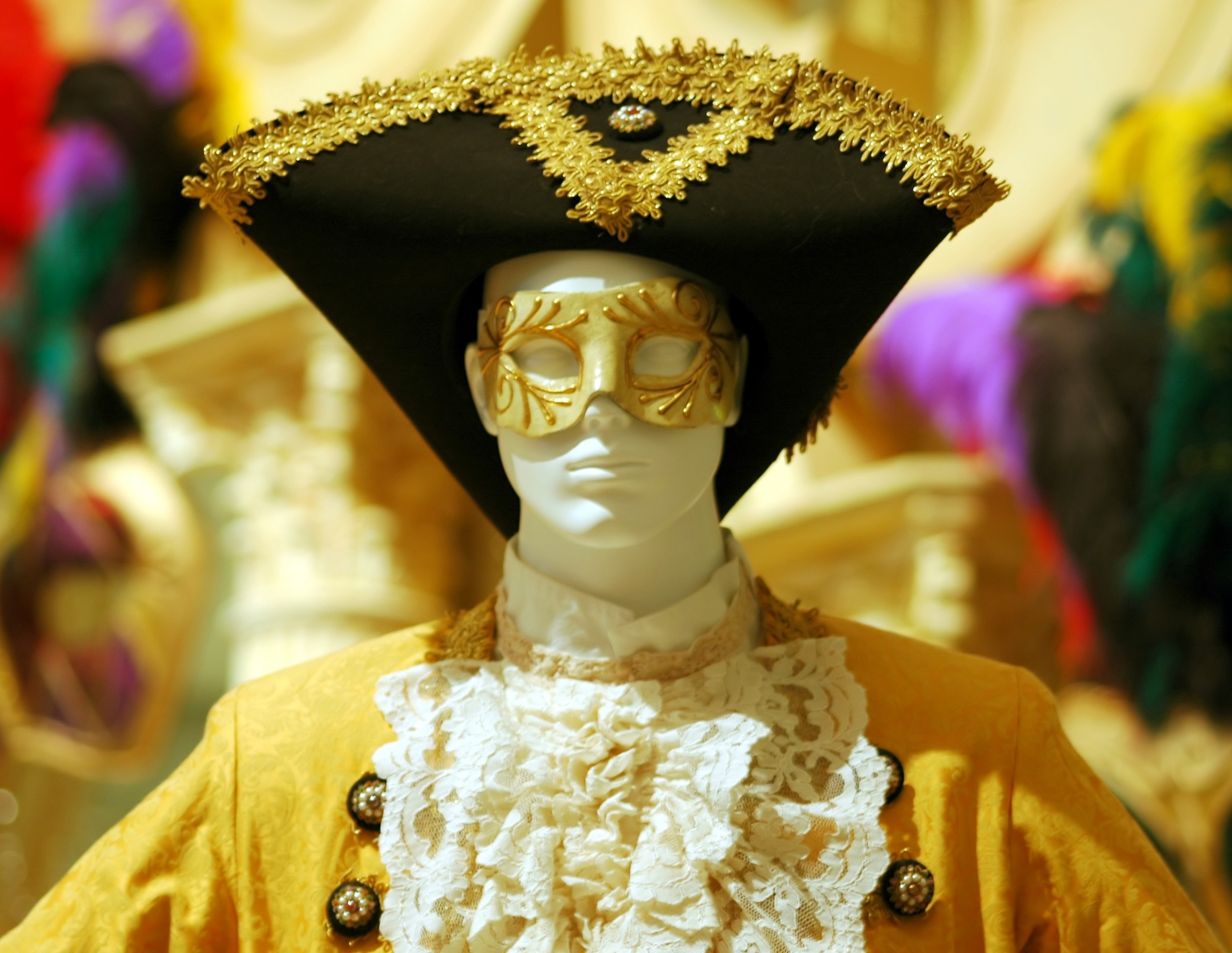
I can’t sleep! I recently spent a week in Rome and did some serious window shopping and all I saw was bald mannequins! Just have a look here

I have a hair appointment tomorrow: Should I go bald?

Anon

Dear Anon,

As George Santayana so wisely put it, “those who cannot remember the past are condemned to repeat it.”

Do we really want to repeat the mistakes of the early 1990s?

I lived through Sinéad O’Connor once, I won’t do so again. If I catch you, Anon, all bald and tearing up a photo of the Pope on Letterman, I will be VERY disappointed.

Mary-Sue
___________________________________________

Anyhoo, that’s all from me readers. I’m so keen to hear about your cultural issues and all your juicy problems. Do drop me a line with any problems you have, or if you want to talk smack about Delilah Rene.

Mary-Sue is a retired travel agent who lives in Tulsa with her husband Jake. She is the best-selling author of Traveling Made Easy, Low-Fat Chicken Soup for the Traveler’s Soul, The Art of War: The Authorized Biography of Samantha Brown, and William Shatner’s TekWar: An Unofficial Guide. If you have any questions that you would like Mary-Sue to answer, you can contact her at thedisplacednation@gmail.com, or by adding to the comments below.

STAY TUNED for Tuesday’s post. Mary-Sue has heard it’s going to be great.

If you enjoyed this post, we invite you to register for The Displaced Dispatch, a round up of weekly posts from The Displaced Nation, with seasonal recipes, book giveaways and other extras. Register for The Displaced Dispatch by clicking here!

Related posts:


Interesting celebrations around the world, as selected by Canada’s famed Dr Magister

Continuing this month’s theme of celebrations, today’s post sees Dr Simon Magister, a social anthropologist and skateboarding enthusiast from British Columbia, select his most interesting and strangest celebrations from around the world. We haven’t verified Dr Magister’s research, but we’re pretty confident that he can be trusted.

1. Cargo Cult Ceremony

Every March 13th on the island of Manus in Papua New Guinea, the members of the Tadel tribe celebrate Inspection Day. Being a “cargo” cult, this ceremony involves the chief of the tribe donning the ceremonial overalls of an aeronautical engineer and then conducting a two-hour safety check on the life-size straw replica of a plane that the tribe crafted. When the safety check has been completed, the tribe celebrates with roast hog served on in-flight meal trays whittled from wood.

2. The Festival of the Badger

A leading figure in the Celtic revival of the late-Victorian era, Amelia Mudd, established the Festival of the Badger in her home village of Eppingsop, Wiltshire. Now in its 125th year, and popular with adherents of Druidism, the festival, celebrated on the Spring Equinox, sees a giant wicker badger burnt on the village square. The success of the festival can be seen in the Wiltshire Tourist Board rebranding of the county as “the county of badgers.”

3. Nicaragua celebrates Australia Day

Following Crocodile Dundee‘s a.k.a. Paul Hogan‘s brave service fighting for the Sandinistas during the Nicaraguan Revolution, the Nicaraguan government have declared Australia Day an official public holiday.

4. Ted Bernard Month

The residents of Parlor, Arizona probably weren’t expecting too many changes when they voted in mechanic Ted Bernard as the town’s mayor in 2008. Mayor Bernard, however, had other ideas, one of his first acts being to pass a town ordinance that the month of May was now to be known as “Bernardbury in Parlor.” During Bernardbury, downtown Parlor is host to numerous arts festivals. At Cafe Duvet people can enjoy the jazz festival (featuring Ted Bernard playing his saxophone), at Stern’s Movie House there’s the film festival (featuring exclusive footage Ted Bernard filmed on his flip) and at Claremont Green people can enjoy Shakespeare in the Park (featuring performances from the RSC, Steppenwolf Theatre Company, and Habima, the national theatre of Israel).

Whether Bernardbury continues when the mayor’s term ends in 2013 is, as yet, undetermined.

5. The war that wasn’t

Each October 3rd the island of Vosha in Micronesia commemorates the end of the conflict known as the Battle of Joshua’s Chicken, which most historians now agree didn’t actually take place. The reason for the confusion lies in the published memoirs of Captain William Joshua of the Royal Navy, published in 1817. Joshua recounts how in the 1790s when traveling in the Pacific and in need of fresh produce as well as wood to make some minor repairs to his ship, he docked off the island of Vosha where he was cordially greeted by the island’s king. Joshua’s tale is that sick of all the breadfruit they’d been eating, the crew’s cook stole a chicken that belonged to the king,  and treated the crew to, according to Joshua’s memoirs, a “delicious, richly broth’d casserole.”

Unbeknown to the cook, the chicken was, in fact, the Voshaian’s living deity. Enraged at the death of their god, the people of Vosha engaged in a three-day struggle with the British. At the end of the three days Joshua surmised that the casualties on the Vosha’s side stood at six hundred, with their main settlement burnt down. Joshua then ends that chapter with the cook’s recipe for chicken casserole.

Most modern historians, however, feel that Joshua’s account has no basis in fact and that at no point did the people of Vosha ever worship a chicken. Professor Hopkins of Cornell has posited that Joshua’s memoir — where Joshua also alleges that he had been the lover of both George III and Catherine the Great — was the work of a man writing out delusions brought upon by the late-stage syphilis he must have been suffering from.

What strange celebrations have you seen? Dr Magister is curious to know for his research. From Rodeos to cheese-rolling…what did you think of them?

STAY TUNED, next Monday sees Mary-Sue Wallace dishing out advice like a homeless shelter dishes out soup.

Related posts:

Image: MorgueFile

THE DISPLACED Q: What’s your most memorable birthday abroad?

Hi everyone!

Now, since it’s our one-year birthday here at the Displaced Nation — okay, let’s hear some crazy party horns <|8-P~ <|8-P~ — I thought I’d ask you about your most memorable birthday experiences whilst traveling. Crazy drunken escapades? Chance meetings with exotic strangers?

Everyone has a tale inside them, so it’s said.

Here’s mine… 🙂

It is better to wear out than to rust out.
Bishop Richard Cumberland

It was cold. Chillingly, bone-achingly cold — and wet. Rain drenched the outside of me, remorselessly overpowering every chink in my defenses. Neckline, accidentally exposed cuffs — all were soaking wet in spite of my otherwise impenetrable Gore-Tex-clad outline.

My fingers and toes were freezing. My feet were blistered. The bag on my back was so heavy I could barely breathe beneath its crushing weight, and the effort of carrying it was causing me to sweat profusely. It was very nearly as moist inside my clothes as it was outside them.

It was my birthday, and I was utterly, utterly miserable.

Now, spending a birthday hiking through the vast Australian wilderness can sound like a dream to some — whereas other people, more sensible than I, might think of it as more of a nightmare.

I was torn between the two. On the one hand, I was out there, achieving something awesome with the people I loved most in the world — my girlfriend and my sister. On the other hand…well, did I mention the rain?

It hadn’t stopped for two weeks straight.

So far the three of us had hiked over 150 miles in it, and to be honest my enthusiasm was getting a little damp.

I remember wondering what kind of idiot hikes nearly twenty miles in the filthiest weather known to man, with his only goal being to reach a three-sided wooden shelter where he could collapse exhausted? I would then go to sleep — on a bed made of planks — only to wake up the next morning and do it all over again!

Apparently, I am just that kind of idiot.

But extremes of hardship give you more than a feeling of triumph just for surviving; they also make you appreciate the little things.

On that particular evening, as I stripped off my sopping trousers and unrolled my sleeping bag, I had all but forgotten about my birthday. Back home I might have hoped for a novel the size of a house-brick or some awesome piece of electronic gadgetry; here, with no power, the light failing rapidly and a rucksack already verging on the spine-snapping, all I wanted was sleep.

But my girlfriend, Roo, was determined to celebrate. And she was nothing if not resourceful. It had been three days since we’d seen another human soul (unless you count my sister; I usually don’t) — yet somehow Roo had acquired and carefully preserved my present until now.

She unveiled it with a flourish: a marshmallow!

Unbeknownst to me, she’d carried it all the way from home unsquashed, in some hidden corner of her bag. In the top she stuck a tiny candle which she must have begged off the last group of hikers we met. The plan had been to use a match in lieu of a candle, she said, until by pure chance she’d met an old lady who’d been carrying this. Amazing!

I blew it out and made a wish. Actually I made two. “Please, God,” I thought, “let me be in a better place this time next year. Or, ideally, tomorrow morning. And more than anything, tonight, let me sleep…”

The marshmallow I would save for breakfast.

I slept remarkably well that night.

In the morning I woke up in the same place — but the sun was shining, a phenomenon I’d started to think I’d never see again! I stood outside in my underwear and luxuriated in the warmth, safe in the knowledge that no one would see me. Something was going right for a change, and that by itself was a minor miracle.

A pity the same couldn’t be said for my marshmallow.

I’d placed it next to my tiny travel pillow as I slept; mere inches from my nostrils (which were the only part of me that dared protrude from the sleeping bag).

Now, the bright sunlight revealed the damage; my marshmallow was half eaten, having been thoroughly enjoyed in the middle of the night by some kind of rodent. I could only be grateful that the tip of my nose hadn’t shared the same fate.

Did I eat the rest of it though? That’s what you really want to know, isn’t it?

Well, you know what? There are some things better left unsaid…

“I’ll do better next year,” Roo promised as we shouldered our rucksacks for the hike ahead.

“Ipad?” I asked.

“Hm. We’ll work up to that. Next year you can have two marshmallows…”

I’ve had birthdays on four different continents, but this one has always stood out for me. So what I’d like to know from you kind folks is this:

What is YOUR most memorable birthday abroad?

Tell me about ’em in the comments!

I’m looking forward to reading… <l:0

STAY TUNED for Wednesday’s post, a virtual celebration with all of our Random Nomads of the past year!

If you enjoyed this post, we invite you to register for The Displaced Dispatch, a round up of weekly posts from The Displaced Nation, with seasonal recipes, book giveaways and other extras. Register for The Displaced Dispatch by clicking here!

Related post:

Happy World Party Day to our virtual friends! Just because we’re Displaced doesn’t mean we can’t have parties!

By the time many of you read this, it will already be April 3. (Actually, if I don’t type faster, it will be April 3 by the time I post this – but I digress.)

The significance of April 3? It’s World Party Day, defined by Wikipedia as:

A synchronized global mass celebration of a better world and the active creation of desirable reality.

…which, I have to say, doesn’t sound a whole lot of festive fun. It doesn’t inspire me to hang out in someone else’s house, eat their food, drink their drink, nosy through their bookshelves, iTunes library, and  medicine cabinets, then spill red wine on their new rug, which is usually what happens at parties.

But it gets better. Sort of. Wiki goes on to say that:

World Party Day began as a grassroots effort in 1996 and…is observed yearly on April 3 through personal and public observances of party-like atmosphere. A basic premise is that the opposite of war is not passive action or peace, but party.

Aha! So you mean that while people have been campaigning for World Peace, waving CND placards, and making records in Amsterdam hotel rooms — it’s all been a waste of time? That they would have been better stockpiling boxes of peanuts and Zinfandel, then heading down to iParty for some paper leis and a plastic punchbowl?

It’s all clear now. This is where the world has been going wrong for so long.

Instead of chanting “Make peace, not war!” we should have been shouting “Party on!” and head-banging to Bohemian Rhapsody.

Quantity, not quality

Perhaps the real problem is that one day of partying a year is simply not enough to end global conflict. A trifling 24 hours shows no stamina, no devotion to the anti-war effort.

So, ladies and gentlemen, in the selfless interests of world peace — I beg your pardon; an absence of war — The Displaced Nation team, for April’s theme, will be bringing you a month of cyber parties. Just because we are all Displaced doesn’t mean we can’t have parties together.

Now, clearly, this is not an undertaking for the fainthearted. We expect, by April 30, to be exhausted and in dire need of Alka Seltzer and carpet cleaner, or at the very least, a new WordPress background.

But sacrifices must be made. Revelries must be organized. Balloons must be filled with helium and hilariously inhaled.

So what are we waiting for? Let’s party!

P.S.

Actually, we’ve already tested the punch and vol-au-vents, just a little bit, because Party Month started two days early for the TDN team. Nothing to do with the active creation of desirable reality, though.

More the creation of desirable unreality, in fact.

On April 1, 2012, The Displaced Nation celebrated its first birthday.

Cheers!

STAY TUNED for Tuesday’s Displaced Q, when Tony J Slater asks: “What’s been your most memorable birthday abroad?”

If you enjoyed this post, we invite you to register for The Displaced Dispatch, a round up of weekly posts from The Displaced Nation, with seasonal recipes, book giveaways and other extras. Register for The Displaced Dispatch by clicking here!

Image: MorgueFile

CLEOPATRA FOR A DAY: Fashion & beauty diary of Third Culture Kid Tiffany Lake-Haeuser

Let’s all line up and curtsy to the 16-year-old German-American Tiffany Lake-Haeuser, who has just disembarked on the shores of The Displaced Nation. Born in New York City to German parents, this Third Culture Kid returned “home” to Germany when she was six and then at age 13, moved with her family to Abu Dhabi, UAE. Now back in Frankfurt, she divides her time between this city and Paris, where her father currently resides. Today she will play the role of Queen of the Nile and let us in on the fashion and beauty secrets she’s collected from her travels.

BEAUTY STAPLES

I’ve become a big fan of black eyeliner after living in the Middle East. (The real Cleopatra would approve!) The more conservative Arab women in Abu Dhabi and the rest of the UAE don’t wear eyeliner, but those who are more modern or Westernized often wear quite a lot. They all have such nice eyes and long eye lashes, so it always looks striking. Eyeliner easily takes an ordinary make-up to something special.

BEAUTY TREATMENTS

Living in the Middle East also taught me that eyebrow shaping helps frame the face and makes people look elegant. Even though it’s painful, I get my eyebrows done regularly.

And from my various travels, I’ve learned how important it is to take care of one’s skin and hair, especially since those are two things people notice right away when they they meet you.

HAIR

My hair has been very long, but I recently had it cut to much shorter. I have pretty much done everything with my hair from long to short to all different kinds of bangs. The only thing I haven’t done is dye my hair, because I am afraid it will be damaged.

FASHION

My favorite piece of clothing from my travels is not so exotic. It’s a big dark blue woolly cardigan that I bought at the Urban Outfitters in London. I love that sweater because it is so comfortable. Sometimes it can be hard to combine with an outfit, but I’ve discovered some ways I think work well.

LINGERIE

I have never bought lingerie in any country other than my own but I would imagine South America to have nice lingerie so I would definitely keep an eye out for that if I ever travel there.

JEWELRY

My favorite piece of jewelry is a ring my mom bought me at a market in Sharjah (the capital city of Sharjah, one of the emirate states). It has a black smooth stone and a silver frame; the stone is slightly bigger, too. I really like the fact that it doesn’t come from a store that mass produces their stuff, but instead it’s different and individual.

WEARING RIGHT NOW

I am wearing a pair of black jeggings, which I recently got at the German clothing store People’s Place. In my opinion, they are flattering and you can never really go wrong with a comfy pair of skinny jeans. I am also wearing a light green sweatshirt, which is the softest piece of clothing I own (also from People’s Place), and a slightly cropped pastel-pink shirt. It’s also amazingly soft — it’s from a Roman boutique called Brandy Melville, their store in New York City. For accessories I have on a feather necklace from the Urban Outfitters in Frankfurt and a black flower ring that comes from a small jewelry store on the outskirts of Frankfurt.

DAILY FASHION FIXES

I always read Glamour magazine, especially since it has so many versions: German, British, American and Australian. I like to see the differences in fashion around the globe. (British and French magazines have the most cutting-edge fashions, though.) And I read a lot of fashion blogs: for instance, Birds of a feather flock together — by Cailin Klohk, an 18-year-old half-Irish, half-German girl who lives near Frankfurt — and Snakes Nest (an American one).

Actually, I created my own blog at the end of last year as my dream now is to become a fashion journalist. It’s called Girl on the Run. I chose the name because of my many moves and travels, which makes me feel like life never stands still and I am constantly discovering new things.

STYLE ICON

Alexa Chung is very present across Europe — I think she has a beautiful and individual style. She mixes some pieces no one would think of to mix, yet they work so wonderfully together. Also, she seems to follow her own instincts instead of being a slave to current fashion trends.

STREET FASHION

I like to go to the Zeil/Hauptwache area in Frankfurt to people watch; there are so many different kinds of people and fashion-forward styles. I especially like to look at people’s bags as I have a slight obsession with bags.

TOP BEAUTY/STYLE LESSON FROM TRAVELS

From all my travels, I have learned that it is important to follow one’s own tastes and cultivate one’s own style instead of just mimicking fashion trends. There are so many beautiful ways to dress in the world, and seeing them has really opened my eyes and made me open to experimenting with what really suits me.

Tiffany Lake-Haeuser is an 11th-grade student at Frankfurt International School with an ambition to become a fashion journalist some day. For more of her fashion impressions and beauty advice, follow her blog, Girl on the Run, which she plans to update regularly now that it’s spring break!

STAY TUNED for Monday’s post, a celebration of The Displaced Nation’s one-year anniversary!

If you enjoyed this post, we invite you to register for The Displaced Dispatch, a round up of weekly posts from The Displaced Nation, with seasonal recipes, book giveaways and other extras. Register for The Displaced Dispatch by clicking here!

Related posts:

Images: (clockwise beginning with large picture on left): Tiffany Lake-Haeuser on the balcony of her father’s apartment in Paris, sporting her shorter hairdo; applying eyeliner; her Emerati ring (a gift from her mother); and a side view of her beloved cardie from London (Urban Outfitters).

An Italian with a passion: How to live the Dolce Vita, with Barbara Conelli

Barbara Conelli is a woman on a mission — a mission to bring, as she puts it on her website, “Fantastic Fearless Feminine Fun into women’s lives.”

A prolific writer, with one book already published (Chique Secrets of Dolce Vita, a journey through Italy), another coming out in May, and other writing credits galore, Barb “invites women to explore Italy from the comfort of their home with elegance, grace and style, encouraging them to live their own Dolce Vita no matter where they are in the world.”

While many of you will be familiar with her writing and blog, others will know Barb from her popular Chique Show at Blog Talk Radio, where she interviews authors and talks about life in and her passion for Italy.

Today, though, it’s Barb’s turn to be interviewed.

Thank you, Barb, for agreeing to be interviewed! Can you tell us a bit about your background — where you were born, where you grew up, where you studied?
I was born in London to an Austrian mother and an Italian father. My background was incredibly multicultural and the fact that I had relatives in different countries who spoke different languages encouraged me to start learning the languages they spoke, and when I did, I realized some of the relatives were much nicer when I didn’t understand them. But it was too late; at that time I was already speaking eight languages and traveling around the globe, a passion that turned out to be totally incurable. I tried hard to be a homebody but it never worked.

A chronic gatherer of knowledge, I studied at several universities in Spain, Portugal, Italy and the US, and when I got my second PhD I realized the academic career was totally killing my creativity and my soul. (As you can see, realizing important stuff too late was a pattern in my 20s.)

Although I’ve had many homes away from home, Italy has always been my real home. Grandma Lily, my paternal grandmother, made sure I grew up to be a real Italian – food-loving, high-spirited, untameable, capricious and addicted to shoes. I frequently visited my cousins in Italy already when I was a kid, and when I got my heart-broken by an Italian at the age of sixteen, I knew there was no turning back. I was an Italian. Until today I’m not sure whether it’s a blessing or a curse. (Thanks, Grandma Lily!)

You split your time between New York and Milan, correct? When did you move to Milan, and why there in particular?
That’s right! Grandma Lily was born in Milan. She left the city and the country with her parents when she was a little girl and she never went back. However, the city stayed in her heart. I visited Milan many, many times, but I decided to actually get a place there and make it my home when I started to think about writing a book about the city. I wanted to really live it, breathe it, be it. I couldn’t live in Tuscany and write about Milan. That would have made me a tourist, not a Milanese. And I wanted to be one with the city and become familiar with its many faces.

Your first book, Chique Secrets of Dolce Vita, was published last year, and your second, Chique Secrets of Dolce Amore, is due to be published in May. Can you tell us a little about your new book?
Yes, I’d love to! I’m so excited because my editor has just sent me the final version of the manuscript, and I’m totally in love with the book! In Chique Secrets of Dolce Amore, I share my unexpected encounters with the capricious, unpredictable and extravagant city of Milan, its glamorous feminine secrets, the everyday magic of its dreamy streets, the passionate romance of its elegant hideaways, and the sweet Italian art of delightfully falling in love with your life wherever you go. This book is very informative and contains lots of factual information about the city, but at the same time it’s very poetic, lyrical and romantic. It shows that Milan is the perfect city to have a love affair with.

And what happens after Dolce Amore? Another book? Can you give us any hints?
There are several exciting projects I’m working on. Later this year, I’m planning to publish a collection of selected articles and essays I’ve written about Milan and published in magazines and on my blog. I’m also putting together a travel anthology that’s going to be released in the fall, with travel essays and short stories written by sixteen amazing, wonderful authors.

As far as my Chique Book series is concerned, with Chique Secrets of Dolce Amore I’m leaving Milan and venturing into Rome. The next book is titled Chique Secrets of Dolce Far Niente, and in this book I’m going to reveal the hidden face of Rome and share with my readers the Roman art of pleasant, carefree idleness.

My books always have a deeper message and I love using the city I write about as “the stage of life”, a creative space where we can learn, grow and get to know ourselves. Milan is about loving your life and finding beauty in simple, everyday things. Rome is about being fully present in your life instead of exhaustingly focusing on doing, doing, doing.

Something that comes across loud and clear in the reviews of Dolce Vita is your talent for writing descriptive prose and storytelling. What made you decide to write non-fiction rather than a novel?
A good question! I’ll be honest with you: I am working on a novel (okay, looks like I’ve just come out of the closet and admitted I’m a shadow novelist). However, I find writing fiction much less appealing. I love exploring the real world, I love talking to people, I enjoy discovering their stories, understanding what makes them tick. I’m incredibly curious and inquisitive, and I always look deeper, beyond the obvious, the visible. My readers often say that when they read my book, they feel they’re actually there with me, experiencing the same things, tasting the food, submerging themselves in the atmosphere. My books are like a magic carpet that takes you to beautiful places enabling you to live a beautiful adventure sitting in an armchair and wearing your jammies. I truly believe that being able to give this to the reader through the pages of my book is a miracle, and it makes me endlessly happy.

What audience did you have in mind for Dolce Vita when you first wrote it, and did you end up attracting those sorts of readers?
It’s an interesting question. I write primarily for women and I wanted my book to appeal to experienced, avid travelers as well as to those who dream of Italy and desire to explore this beautiful country. I definitely succeeded in connecting with my audience and I’m very grateful for my fabulous readers and fans from all around the world who give me lots of love, support, encouragement and wonderful feedback. However, I was very surprised to see that my book attracted also many male readers who totally enjoyed my writing. I just love that.

To which aspects of your writing have readers responded the most?
When you read the reviews, there seems to be one strong common denominator: “I felt I was really there with the author.” I’ve been so touched by this, and I feel very blessed because it means I’ve been able to get my message across and bring Italian beauty, charm and grace into the lives of many women. This is my definition of success – doing what you love and touching other people’s hearts by sharing your passion with them.

Have you written anything else?
I have two previously published books on relationships and self-love, based on my coaching career. I have also written screenplays for TV shows and scripts for TV talk shows. And I’m a movie translator – I have translated and subtitled over 800 feature films, shows and documentaries for major movie studios, TV channels and distribution companies. I have also translated several fiction and poetry books. Yes, I’m a typical “slasher” – a multi-talented person with many careers. But if you ask me who I truly am, my answer is I’m a writer and traveler. That’s my soul’s calling.

I first heard you — and heard of you! — on your blog talk radio show, the Chique Show. How long has the Chique Show been running?
Chique Show has been broadcasting for about a year. It has gained incredible momentum and today, just 12 months later, we have over 5,500 listeners, recently adding more than one hundred new listeners every week.

Is a radio talk show something you have always wanted to do?
When it all started, it really wasn’t my goal or dream to be a radio hostess, although I had always found this medium fascinating. Chique Show was meant to be just another platform to promote my new book but I immediately fell in love with it, and today it’s much bigger than I ever imagined. Chique Show is a great connector, a wonderful opportunity to meet new people, and my way of giving back and bringing authors closer to their readers.

How would you like to see it evolve?
I would love Chique Show to become a featured, branded show that would broadcast every day on a variety of topics. You know, one of my mottos is the words of Donald Trump: “If you’re going to think anyway, think big.” And Eleanor Roosevelt’s: “You must do the thing you think you cannot do.” I’m a visionary, and there’s not just a branded radio show on my vision board, but also a magazine and TV channel. I love challenging myself and pushing my own boundaries. My mum says I decided I was going to be a success story already as a toddler. I’ve always been stubbornly creative and free-spirited.

You’ve had a lot of guests on the show. Have there been any particularly memorable moments?
You know, I really love those moments when my guest and I totally click. When we find a topic we’re both fascinated about, we chat, we laugh. There’s a fantastic vibe and irresistible energy that totally fill the radio waves, and our listeners can feel it. We are just wonderfully connected.

I’ve also had deeply moving moments on the show when my guests opened up and talked about their life experiences, their struggles, their pain, and how they managed to overcome adversity and follow their dreams.

One of my favorite shows is the interview with author Lyn Fuchs that you featured here on Displaced Nation a couple of months ago. I love smart, talented, open-minded and humble people who are not afraid to do their thing and stand out from the crowd. Lyn is one of those people and having him on the show has been a real pleasure.

Is there anyone you would *love* to interview on your show — a “fantasy” interviewee, as it were, be they alive or dead?
Leonardo da Vinci: the most fantastic “slasher” in history. I wrote about his years in Milan in Chique Secrets of Dolce Vita, and I find him fascinating. I believe his genius is still undervalued. Madeleine Albright, a lady who epitomizes feminine power and wisdom. And Grandma Lily — the sage of my family.

With March being Fashion Month, many of our recent posts have been fashion- and style-related. Now, if you’ve actually read any of those posts, you’ll have realized that three of us anyway are the last people on earth who should be advising on fashion. I poke fun at haute couture, Anthony’s fashion advice begins and ends with chinos and a shirt, and Tony’s staple apparel is shorts and T-shirts. As someone who has made her home in two of the world’s fashion capitals, can you give us any tips about where a couture-challenged person can start?
Okay, my fantasy’s running wild here. Chinos make me think of Indiana Jones (a.k.a. Harrison Ford at his best). And shorts and a t-shirt? Matthew McConaughey. Hot, sexy, juicy! (May I join your team like right now?)

I love fashion because to me it’s yet another expression of creativity and art. It’s also one of the easiest ways to say who you are. You can use fashion to make a statement and I’m totally non-judgmental when it comes to people’s choices.

The best piece of advice is, be yourself. You don’t need to choose one style or color palette and stick with it forever. Fashion is a game and it’s meant to be played and enjoyed. Fashion is not created by designers, it’s created by you, every single morning.

In my closet, you’d find little black dresses and faded jeans, pantsuits and colorful skirts, white shirts and t-shirts with wild patterns. Lots of scarves and hats and other accessories. My wardrobe has as many faces as I do because I may be different every day but I always insist on being myself.

To sum it up, stop flipping through fashion magazines and show the world how beautifully unique you are!

OK, so we’re following your advice and doing a bit of retail therapy in two continents. Where would you suggest as first stop for shopping in Milan?
I suggest you leave your Lonely Planet Guidebook in your bag and start exploring. I love Milanese vintage stores, visiting them is a real adventure. I can recommend “Cavalli e Nastri” in Via Brera, or Oplà in Via Vigevano. For original jewelry, Vigano in Galleria Vittorio Emanuelle. And a Borsalino hat is a must!

And then we take a transatlantic flight and go shopping in New York…where’s our first stop there?
Tiffany & Co., of course! Okay, just kidding. The Tiffany store in both Milan and New York plays a very important role in the last chapter of Chique Secrets of Dolce Amore where it turns into a spicy matchmaker. Plus, I love Breakfast at Tiffany’s.

I almost never shop for clothes in New York but I love New York bookstores. I live on Broadway and I’m addicted to the Strand Book Store at the corner of Broadway and 12th Street.

And on Saturdays, I love going to the Greenmarket at Union Square, the most wonderful outdoor market in New York whose atmosphere reminds me of Italy.

Splitting your time between two countries as you do, do you find it difficult to settle into the ways of one country after a length of time in the other?
Actually, it’s funny because when I come to Milan, my friends usually tell me: “Stop being so American!” It takes me a few days to slow down and return to the spirit of la dolce vita. It always reminds me how fast we actually live in the States, and how we allow life to just pass us by.

When I return to New York, it takes me about a week or two to get used to the bustle of the city. I love New York, it’s an incredibly vibrant city, but it can truly wear you down. You need to manage your energy really well and set your boundaries. Although New York is said to be the city that never sleeps, a New Yorker needs to get some sleep at least every now and then.

What aspect of Italy would you like to transplant to New York life — and why?
The art of taking the time to actually live. Experiencing life with gratitude and a sense of awe. The sweetness of human experience. Achieving great things is wonderful, but your life needs to be balanced, and that’s what New York sometimes misses. We need to stop and smell the roses more often.

What about vice versa? Any aspect of New York life you would like to transplant to Italy?
The glitz, the flashiness and the flamboyance. New York is a self-confident brat and it would be fun to see more of that in the easy-going, laid-back Italian way of life.

You’ve traveled extensively — have you discovered any other places where you’d like to live for a while?
After living in Middle East, Africa, in the Australian outback, in stunning European cities and wonderful metropolises of this world, I would like to create one more home-away-from home in French Polynesia. Sleep, eat, dance, swim in the ocean and write books. My idea of writer’s heaven.

Your suggestion about joining the TDN team? Yes — on condition we can all descend upon your new home in French Polynesia… Heaven indeed. Thanks, Barb, for talking so honestly to us!

We will hear more about Barbara Conelli in a few weeks, when we review her new book, Chique Secrets of Dolce Amore, and subscribers to the Displaced Dispatch can look forward to another exciting giveaway!
If you enjoyed this post, we invite you to subscribe for email delivery of The Displaced Dispatch, a round up of the week’s posts from The Displaced Nation. Sign up for The Displaced Dispatch by clicking here!

Related posts:

Image: Barbara Conelli
Why you can’t help being jealous of new author and Parisian style guru Jennifer Scott

Before getting started, I have to say something, something rather catty — which is that Jennifer Scott makes me jealous.

I’m jealous in part because she has self-published a book, Lessons from Madame Chic: The Top 20 Things I Learned While Living in Paris, that is doing very well for itself. Nearing the top of Amazon’s Paris Top 10 list, it has just been reviewed by The New York Times (Thursday Styles) and featured in The Daily Mail.

But a much bigger part of the reason for my jealousy of Scott is that she’s such a quick study.

Let me explain. As an American woman who lived in England and Japan for many years, I could identify with many of the lessons Scott picked up from immersing herself in the everyday life of a fine French family: that there are other — more stylish and more sensible — ways to cook and eat, keep house, entertain, wear clothes and put on make-up than those we’ve been taught in our native land.

But just how long was Scott in Paris? Six months! C’est incroyable!

It took her just six months to pick up so many life lessons? At first I wondered: can it be because the French are such good teachers? Scott after all benefited from exposure not only to her host family, whom she calls Famille Chic, but to her boyfriend’s host family, Famille Bohemienne.

But then I decided that, no, the French aren’t so much great teachers as Scott is an avid learner. You see, there is something else she gets right, exquisitely right, with this book — she captures the moment when an expat goes from feeling uncomfortably displaced to deciding she can take something of value away from the experience. Scott may be ignorant, but she isn’t arrogant — an observation that does not by any means apply across the board to newbie expats. (Dare I say, the combination of ignorance and arrogance is an American speciality, especially when we venture abroad!)

There is an incident at the heart of the book that conveys this evolution in Scott’s thinking — I speak of the moment when Madame Chic (the redoubtable matriarch of Famille Chic) turns to her American charge and says: “That sweater does not look good on you.” Stunned by her host mother’s frankness, all Scott can think of to say, in English, is:

Really? But it’s a silk and cashmere blend.

But it’s not the quality Mme Chic has in mind but the color:

It does not suit you at all. It washes you out. You look…sallow.

For Scott, this is the beginning of an epiphany. She feels wounded but then has to concede that Mme Chic could be right — she’s never liked the sweater (it was a gift) but more importantly, why is she bothering to wear colors that don’t suit her?

For the past four years — initially through her blog, The Daily Connoisseur, and now through her new book — the precocious Scott has been making the case for rejecting the typical American life of mindless consumerism. As she learned at the well-manicured feet of Mme Chic, it’s important to make sure the clothes you wear, the food you put into your body, and the items you bring into your home are things you love and that actually suit you. What’s more, living a well-edited life frees up our time for other — artistic, cultural, intellectual, philanthropic — pursuits.

Such sage advice — and from one so young! But enough of my giving vent to the green-eyed monster. It’s time I introduced you to its object — or shall I say, bête noire? — the très très charmante Jennifer Scott. She graciously agreed to answer some of my fashion- and style-related questions, along with a few that relate to the concerns of the Displaced Nation’s “citizens.” The following are some highlights from our exchange. Enjoy — and see if you don’t end up with a case of Scott envy as bad as mine!

The decision to write a book on refined and elegant living

Thank you so much, Jennifer, for agreeing to this chat and also for generously offering to provide two signed copies of your book as a giveaway to Displaced Dispatch subscribers. Let’s start by having you talk a little about your background — where you were born, what you studied and why you went to Paris.
I grew up in the Inland Empire of Southern California, studied theatre and French at the University of Southern California and currently reside in Santa Monica. My junior year of college I studied abroad in Paris, which was a life changing experience and prompted me to write my memoir/lifestyle book, Lessons from Madame Chic.

What made you decide on the format of a how-to book — which as you say is also something of a memoir on your semester abroad?
Since 2008 I’ve been keeping a blog called The Daily Connoisseur, where I explore all facets of how to live well. I did a series on my blog, “The Top 20 Things I Learned While Living in Paris,” where I examined the lessons I learned in Europe and shared how I translated those lessons to my California lifestyle. The series was so popular, I realized there was a strong interest in the application of these lessons — not just in the lessons themselves — so I decided to record my observations in a book.

What audience did you have in mind for the book?
The audience I had in mind was anyone who wanted to live a more refined and elegant lifestyle. I know this sounds broad and general but it’s true. Sure, different parts of the book appeal to different people and age groups, but overall the message is that life should be lived beautifully and passionately and I think that is a universal message.

What portion of the book — the fashion and beauty tips, the lifestyle advice, the memoir — have readers responded to the most?
Most readers say the last third of the book, the section on how to live well, inspires them the most. But I get a lot of great feedback on the beauty, fashion and diet portions of the book, too.

Capsule wardrobes, clothing collections, colors & other tips

I really liked your advice about the capsule wardrobe of 10 core items, based on how Madame Chic and her family dressed. But many of us who’ve been expats in other countries eventually find ourselves drawn to native fashions — sometimes to the point where we start building collections. Last week, for instance, long-time expat Anastasia Ashman told of her collection of silk kebayas (long, fitted jackets) from Malaysia. Are fashion collections a no-no?
I think the idea of a fashion collection is very cool. I don’t personally have one but if you have traveled, or if you live abroad and find yourself drawn to a cultural fashion piece, I say, why not? My only advice would be to make sure your collection is not verging on becoming clutter. Still keep a discerning eye.

Another famous displaced American woman, of course, was Jackie O. What about her habit of buying ten sweaters in different colors — thus saving time and/or disappointment when the style is discontinued, or in the case of international travelers, for fear that you’ll never get to that part of the world again?
This mentality can be tricky and I say that from firsthand experience! A few years ago I realized I was buying everything in threes. If I liked something, I would buy it in three colors for fear I would never find something like it again. I found that the multiple purchases just became clutter in my wardrobe and oftentimes I would change my mind down the line and decide I didn’t actually like the pieces that much after all! I would suggest practicing restraint here as well.

I enjoyed the passage of the book where you recalled Mme Chic criticizing you for wearing the wrong color. When I had my “colors done” in Japan, I was told in no uncertain terms never to wear fuchsia! At the same time, though, I can relate to another remark made by Anastasia last week. She said that because color choice reflects the place where ones live, people like her, who’ve gone back and forth between very different cultures, find themselves varying their palettes rather widely.
I do agree that color choice can be influenced by geography, but I believe one should always go with their passion rather than trying to conform too much. If you love color, by all means you should wear it, even if everyone around you is in a sea of black. Style is about being happy and comfortable with what you are wearing, if you are trying too hard to fit into your surroundings, it doesn’t come off as natural.

Skincare and diet

Moving on to skincare, in your book you mention how careful you are to apply SPF to your face, neck and décolletage — but is that a habit picked up in the U.S. or in France? I was under the impression that French women liked their suntans!
Applying sunscreen is a habit I picked up in the United States but I do believe French women protect themselves on a daily basis with sunscreen as well — they perhaps aren’t so zealous about it as we are. Although everyone is different. I remember when I spent six weeks in Cannes, I loved to observe this French woman (a local) who went to the beach everyday to sunbathe. She was a deep bronze color and her skin was quite leathery so she clearly wasn’t concerned about wearing SPF!

I also identified with the part of your book where you say that French people stay thinner than Americans do by not snacking in between meals. Likewise, I learned to snack less when living in both England and Japan — I lost weight in both countries! That said, I also got into the habit of taking afternoon tea breaks, sometimes with a biscuit (cookie). In your view, is teatime permissible? (Please say yes as it’s a founding principle of The Displaced Nation!)
I adore tea time! I actually spend a good part of every year in England, as my husband is English, and we have tea and some sort of cake or biscuit every day during this charming ritual. Tea time is enjoyable and if you relish it and take it in moderation (only one slice of cake and not two) there is nothing wrong with it. Maintaining a healthy attitude towards eating and not beating yourself up over small pleasures is key. The French equivalent of tea time would be the goûter, which is taken at 4:00 p.m. and can consist of anything from a cup of tea and a slice of cake, to a hot chocolate and a biscuit. Delightful.

The impact of repatriation

Like me, despite your love of foreign countries, you’ve chosen to live in the United States. Have you changed your mind about any of the fashion principles you learned in France since coming back here, or do they still hold fast?
I still utilize the fashion tips I picked up in France through the years — especially the French concept that comfortable doesn’t have to equal frumpiness.

For me, one of the biggest changes I’ve made since coming back to the U.S. concerns shoes. Though I never lived in France, I had somehow imbibed the French preference for ballet shoes or low-heeled pumps, instead of athletic shoes. I don’t think I owned a single pair of sneakers when I first arrived back here! In the past couple of years, though, foot pain and aging have made me concede that athletic shoes are much healthier for the foot, especially when one travels and does a lot of walking…
By necessity, I have to wear an orthotic most days. I still wear chic day shoes like ballet flats and driving loafers, but buy them in bigger sizes so my orthotic fits. Voilà! Comfort and practicality meet style. I love being comfortable but for me it’s about being creative and going about it with style. There are so many comfortable yet stylish alternatives to traditionally comfortable things like sneakers, sweat suits and yoga pants.

So are there any fashion or beauty ideas that American women get right?
American women have great style and get a lot of things right! I think where we go wrong is in editing our wardrobe. We have too many things in our closets and sometimes that clouds our fashion identity a bit.

Cross-cultural marriage and the California life

Moving on to another topic of interest to many “citizens” of The Displaced Nation: cross-cultural marriage. You’ve chosen to marry an “eccentric” Englishman, as you call him in the book. What do you think is the biggest challenge about marrying someone of another culture?
The biggest challenge, for me, is food! My husband and I have very different tastes in food. He loves traditional English food like roasts, fish and chips, shepherd’s pies and other hearty dishes. I tend to like lighter fare. I also adore Mexican cuisine as it plays a big part in California culture and he is not so into it. So when we cook dinner at home, it is always a compromise.

One more question from an expat perspective: have you completely readjusted to living in the United States, or do you still pine for Europe?
I have definitely adjusted back to American culture. I love my Californian lifestyle — which is why I’ve chosen Santa Monica as my main place to live. It’s been over a decade since I’ve lived in France but I still travel to Europe every year. I enjoy taking the best lessons I learn from these travels and incorporating them into my life back home. This is really what my book is about. And doing so has helped me to lead a very rich existence, indeed.

Next is a mystery…?!

Finally, what’s next on the writing front — are you currently working on another book?
My next book is a mystery called Divina Wright and the Case of the Missing Rubies. It is a stylish, vintage take on a modern mystery.

Thank you so much, Jennifer Scott, for engaging in this tête-à-tête! Readers, do you have your own questions for youthful connoisseur? Hurry up, before she gets invited to host her own style series on Cable TV. (Reeooow. Hisssss… I can feel another crise de jalousie coming on!)

STAY TUNED for Wednesday’s interview with another displaced style maven (but providing an Italian perspective!), Barbara Conelli.

If you enjoyed this post, we invite you to register for The Displaced Dispatch, a round up of weekly posts from The Displaced Nation, with seasonal recipes, book giveaways and other extras. Register for The Displaced Dispatch by clicking here!

Related posts:

Dear Mary-Sue: Mad Mad Mad expat men & their fashion & beauty quirks

Mary-Sue Wallace, The Displaced Nation’s agony aunt, is back. Her thoughtful advice eases and soothes any cross-cultural quandary or travel-related confusion you may have. With this month’s theme being fashion and Mary-Sue being Tulsa’s answer to Donatella Versace, she’s keen to share her sartorial expertise with Displaced Nation readers. Submit your questions and comments here, or else by emailing her at thedisplacednation@gmail.com.

You Mary-Suers are an insatiable lot, aren’t you? One big helping of my advice wasn’t enough for y’all this month, so after popular demand following my earlier post on fashion, I’ve been asked back. So that’s two lots of Mary-Sue for you this month — or “double the trouble” as Jake (or Mr Mary-Sue Wallace, as my pastor calls him) likes to say. (My how we laugh at that little joke! Well, I do and the pastor does — Jake doesn’t.)

Anyhoo, if my latest mailbag is anything to go by, I’m finding some interesting (or should that be alarming?) insights into my readership. Seems a lot of my readership skews male and weird — story of my life!

Am I right, or am I right?!

___________________________________________

Dear Mary-Sue,

About a year ago, I moved to the United States from the UK and find I’m now in thrall to the Mad Men series, which has just now started up again on AMC.

My obsession has grown to the point where I’m thinking of getting a retro hair style similar to Don Draper’s. I’ve enclosed a photo of myself to get your opinion on whether that would look good or if it might be too natty?

Cheers,

Tim from Tunbridge Wells via Trenton

Dear Tim from Tunbridge Wells (incidentally my cousin Janine visited there last summer – MS),

Hmmm, I’ll be honest, I’m not convinced this Mad Men malarkey is going to last. Sure, it’s the flavor of the month at the moment, but will we still be talking about Don Draper and his style in thirty years’ time in the way we still talk about Magnum P.I.?

I think not!

My advice to you, Tim, is to grow a mustache like Tom Selleck’s. Having seen the photo you’ve enclosed, you’ll still look like a drunk manatee, but at least you’ll look like a drunk manatee with a Tom Selleck mustache. I can’t promise that it’ll make you look good or natty, but you will definitely be a talking point.

———————————-

Dear Mary-Sue,

I’m from Germany but am now living in London. At the suggestion of my new English girlfriend, I’ve been browsing this mantyhose site (http://e-mancipate.net/). TBH, I can’t decide among the white, the military green, or the ones with patterns (eg, checkerboard, stars, or stripes). Since I’m a newbie to this trend, I wonder if you could give me your thoughts? (I’ve enclosed photos of myself in the mantyhose.)

Hans from Hamburg via Holland Park

Dear Hans from Hamburg,

Thank you for the photograph you sent me. (I don’t know why everyone is so insistent on sending pictures of themselves to me this week. And not a looker among you. I mean I don’t expect all my male admirers to be Tom Selleck or Richard Chamberlain lookalikes, but when it gets to the point where I’d settle for you being an Al Roker lookalike — well, that’s one slim pickings I’ve got.) More importantly, thank you for including a return address on your envelope, the authorities say that will make it very easy to track you down.

I don’t know why you’d think I’d want to see that. You must have mistaken me for Dear Prudence over on Slate.

———————————-

Dear Mary-Sue,

I just moved from Oslo to Oshkosh. I have a suitcase full of trousers in different colors — salmon pink, sky blue, red rose, and kelly green. Back home, these are the latest trend, but looking around here in Wisconsin, I’m afraid I might stand out a little too far in the crowd. Do you think I can get away with wearing them and if so, which color(s)?

Nils from Norway

Dear Nils,

Quite why you’re so bothered with what people from Wisconsin think of your clothes is bizarre to me. Anything other than stretch denim is probably going to draw attention out there.

What I would suggest is that you go with yellow-colored pants. That’ll probably sate your Nordic desire for garish pants. What you can do is claim that they’re your cheese pants and that you’ve picked them out as they’re the same shade of yellow as a fine (though that’s a relative term in this context) Wisconsin cheddar. I’m sure you can convince them that it’s your weird pants-based way of paying tribute to the state’s cheese industry.

Best of luck!

___________________________________________

Anyhoo, that’s all from me readers. I’m so keen to hear about your cultural issues and all your juicy problems. Do drop me a line with any problems you have, or if you want to talk smack about Delilah Rene.

Mary-Sue is a retired travel agent who lives in Tulsa with her husband Jake. She is the best-selling author of Traveling Made Easy, Low-Fat Chicken Soup for the Traveler’s Soul, The Art of War: The Authorized Biography of Samantha Brown, and William Shatner’s TekWar: An Unofficial Guide. If you have any questions that you would like Mary-Sue to answer, you can contact her at thedisplacednation@gmail.com, or by adding to the comments below.

STAY TUNED for Tuesday’s post. Mary-Sue has heard it’s going to be great.

If you enjoyed this post, we invite you to register for The Displaced Dispatch, a round up of weekly posts from The Displaced Nation, with seasonal recipes, book giveaways and other extras. Register for The Displaced Dispatch by clicking here!

Related posts:


5 ways to rejuvenate when you’re on the road — a blokey bloke’s perspective

I’m not big on spas. In fact I’ve never been to one. Perhaps because I’m a bloke (and quite a blokey-bloke at that), I just can’t see the appeal of drenching myself in yoghurt or putting cucumber on my eyes. Well, not unless I’m going to a fancy dress party as a Greek salad. 🙂

But that doesn’t mean I’m not on the eternal quest for self-renewal and youthfulness. We all are! Well, anyone over the age of 21, anyway! It’s just that some of us would prefer to avoid the lotions and potions, if alternatives are available.

Here are 5 fail-safe techniques I’ve discovered for feeling younger:

1) Try martial arts — or if all else fails, work out at the gym.

I love yoga — so much so that I practiced it once at two thousand meters at 5:00 a.m., on a tiled floor in a house with no heating. Suffice to say, there were parts of me that remained stuck to that floor long after I was ready to give up! But I believe in yoga’s rejuvenating power, both mental and physical — just not enough to carry on doing it!

Instead I’ve found something more to my tastes: martial arts — specifically Wing Chun kung-fu.

Millions of people around the world practice some form of martial art — can they all be wrong?

Kung-fu offers me the chance to push myself physically. It also challenges me with its spiritual and philosophical components, which are based in passivity and meditation. Manipulation of the invisible life-force or energy flow — known as (also chi) in traditional Chinese culture — is a big part of it, with much of it done through breathing as with yoga.

My advice:

  1. Try it.
  2. Then try it some more…

I can’t think of anything better to be hooked on! You’ll feel happy and amazing and the years will start to pour off.

(If you can’t stomach the idea of punches to the stomach, then try going to the gym — treadmills and all that. It’s odd, but on the days I work out, instead of feeling tired I have the energy of a man ten years younger. It’s all those endorphins!)

2) Travel slowly.

A change is as good as a rest, or so they say. Who “they” are in this instance I’m not sure, but they certainly had a clever turn of phrase!

It’s a lie of course — try having a week’s holiday in Fiji and see how rested you feel after two international flights, separated by five days of jet lag…

A rest is the only thing as good as a rest, which is why I love to take my time as I travel. Luckily for me, I can. These days I make a bit of money from writing, and I’m always keen to try new work experiences as I go. I’ve been a diving guide, a medical guinea pig, a toilet cleaner, a yacht delivery man, a gardener…

Living in a place for a while and taking a job is a great way to meet people and make friends, to get to know an area and its population — it’s also an endless source of ridiculous stories that I can spend the rest of my life turning into books.

If it’s not possible to simply vanish into Asia with a CV and a backpack, I fully understand — but then take longer holidays, with no fixed agenda (even if it means taking fewer holidays). Two weeks away gives you the time to properly relax, and your body will thank you for it.

And just imagine what a month in Fiji would be like! Sunny, is the answer. 🙂

3) Take long walks.

I walk a lot. Even in my bedroom I pace, but that’s not exactly rejuvenation!

I find it revitalizing to be outdoors. I now live in Perth, Australia, where I try to spend an hour or so each day roaming the streets, usually in the evenings (it’s a little on the hot side for casual strolling in the middle of the day).

And yes, I do sometimes get stopped by the police! Fortunately for me, Western Australia doesn’t have a version of Florida’s Stand Your Ground law. When I walk, I feel totally free. The rest of the world goes away, or at least becomes quieter, and I can finally think clearly with all that noise gone.

Some of my best writing has popped into my head spontaneously as I walk — almost as though it were there all along, just waiting for my mind to be still enough to tune in.

And if you’re looking for the ultimate rejuvenation, do a big walk! My wife, my sister and I are still reaping the benefits from hiking the Bibbulmun Track here in Western Australia. It’s 600 miles and took us two months.

After the first week you run out of things to say. After the second week, you run out of the desire to say anything anyway. By the time you’re done, I guarantee there will be peace in your heart and a youthful smile on your face. Because you’ll either be a strong, confident individual as a result of conquering such an epic challenge — or you’ll be dead.

I can’t recommend it enough!

4) Tap into the healing powers of universal energy.

In the course of my many wanderings I’ve acquired a fairly eclectic collection of beliefs — among them, Reiki, a spiritual practice developed in Japan. A sort of laying on of hands to unleash one’s inner energy and help boost the body’s healing system.

I did my Reiki practitioner’s course a few years ago. Though some of it was esoteric, it wasn’t too big a leap for me to imagine an invisible energy field inhabiting the body that we can gain access to, or the notion of supplementing someone else(the patient)’s energy with your own (as the practitioner). It somehow made sense to me, but the proof was in the healing: it really worked!

Feeling skeptical? I can relate — I have friends who chant to the angels and friends who believe in the power of color as a healing medium, neither of which do anything for me.

Still, I recommend giving Reiki healing at least one go in the interest of rejuvenating your body. It’s the furthest I’ve ventured into the bewildering variety of New Age therapies, and the closest I’ve ever gotten to feeling The Force — fantastic! And no, you don’t have to get naked! 🙂

5) Cuddle a furry creature or two.

Anyone who knows me, knows my passion for all kinds of animals. I have volunteered in animal refuges while traveling around and have met some amazing people. I’ve also been shot at, bitten, clawed, mauled, temporarily blinded — and head-butted in the balls by a wild pig. Hey, I never said it was easy!

But as the English writer George Elliot put it in one of her stories: 

Animals are such agreeable friends — they ask no questions, they pass no criticisms.

Having a dog or cat (or three!) to come home to after a long day at work is one of the best ways to soothe one’s fears about the world, and stay sane. But — before you indulge — be sure you can look after a pet, particularly if you travel a lot.

Oh, and if you rescue an animal from a shelter instead, you get double karma points!

STAY TUNED for Monday’s “Ask Mary-Sue” column.

If you enjoyed this post, we invite you to register for The Displaced Dispatch, a round up of weekly posts from The Displaced Nation, with seasonal recipes, book giveaways and other extras. Register for The Displaced Dispatch by clicking here!

Related posts:

Images (clockwise from top left): Our family dog, Meg; on a loooong walk with my wife in Western Australia (no going back!); the fun Fiji scenery; Kung-fu Tony!

Thoughts on beauty — and chinos

As regular readers of this blog are doubtless aware, The Displaced Nation always likes to have a monthly theme around which its daily posts pirouette. This month’s theme sees us turning towards the world of fashion.

That leaves me in the somewhat awkward position of having to foist a fashion article onto you all. I confess, and again regular readers won’t be surprised to learn this, that this is not a topic that I am well versed in, I am a skinny guy that has never worn skinny jeans. My own fashion tips begin and end with the advice that you cannot go wrong with a chinos and shirt combo. The shade of beige in the chinos varies and so does the color of the shirt, which can range from powder blue to salmon pink — but that’s still not very exciting, is it?  So unless you want to dress like an ITN foreign correspondent, I’m not really the person to whom you should be paying attention when it comes to fashionista matters.

Perhaps sensing my uneasiness with this topic, it was suggested by others here at The Displaced Nation that I might want to write about whether there is a universal idea of beauty.

This seemed like a better idea than my posting about fashion. I could, I quickly realized, start the article with the old cliché about how “beauty is in the eye of the beholder.” Once that was out of the way, I could suggest that beauty is subjective, doing so by trotting out all those usual cultural differences — very appropriate in the context of The Displaced Nation — that confuse a modern Westerner: the Kayan Lahwi tribe in Burma whose female members wear brass coils around their neck to give the appearance of an elongated neck; the ancient Chinese practice of feet binding; the Essex facelift.

Once that was done I planned to counter the idea of different cultural ideas about beauty by positing that beauty standards are in fact objective — that perhaps Plato was right and beauty exists in his perfect forms. This new point of view would necessitate trotting out the evolutionary psychologists who have conducted studies on infants as young as two months, showing that they gaze at faces judged more attractive longer than the faces of those judged ugly. This, the psychologists contend, could suggest that beauty is indeed innate, that they are objective standards. As babies tend to cry when they see me, it would also prove conclusively that I am one ugly fecker. I would then have ended the article by referencing Keats’ “Ode on a Grecian Urn,” (“beauty is truth, truth beauty”) in an effort to look more learned than I am.

However, that line of argument didn’t seem so convincing. As I tried writing that post, I kept catching sight of myself in the unfortunately huge mirrors that make up the sliding closet doors in my room. They are huge and as this is rented accommodation I can’t do much to change them. So as I typed away, I would keep seeing my reflection and think hmmm, its probably bad karma for you to be pontificating on beauty, Windram. So with that in mind, I think it’s probably fairer to nudge you in the direction of the BBC Radio 4 series In Our Time — specifically, the episode that discusses the history of beauty as a philosophical topic — while I go off and iron my chinos.

STAY TUNED for an interview with Random Nomad Annabel Kantaria.

Related posts:

